Safety First: The Dangers of Driving on Closed Roads You Need to Know
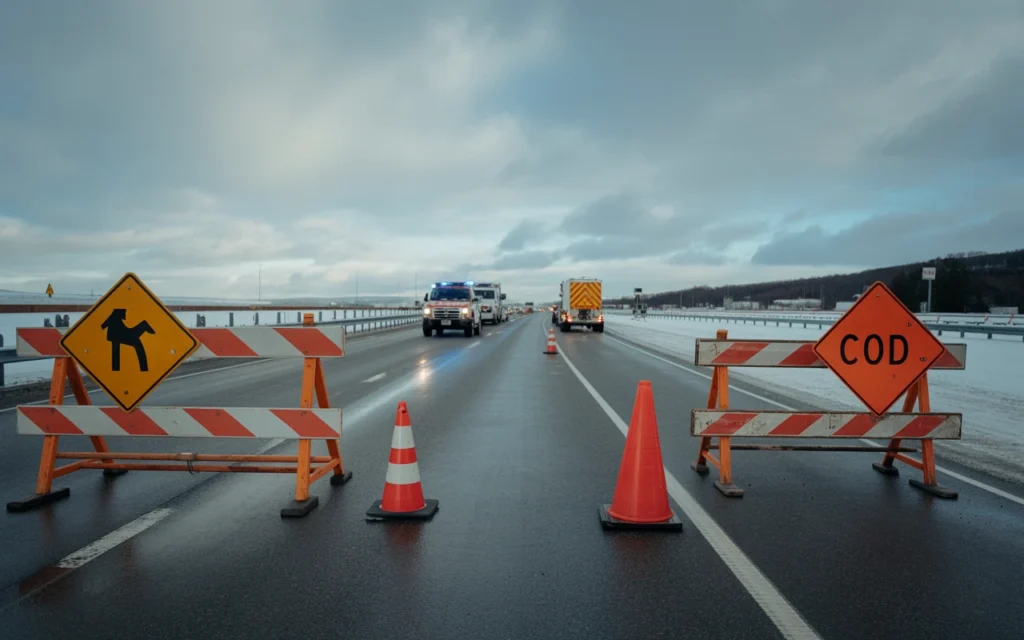
A highway closed with orange traffic cones and barricades, with police and emergency vehicles in the background.

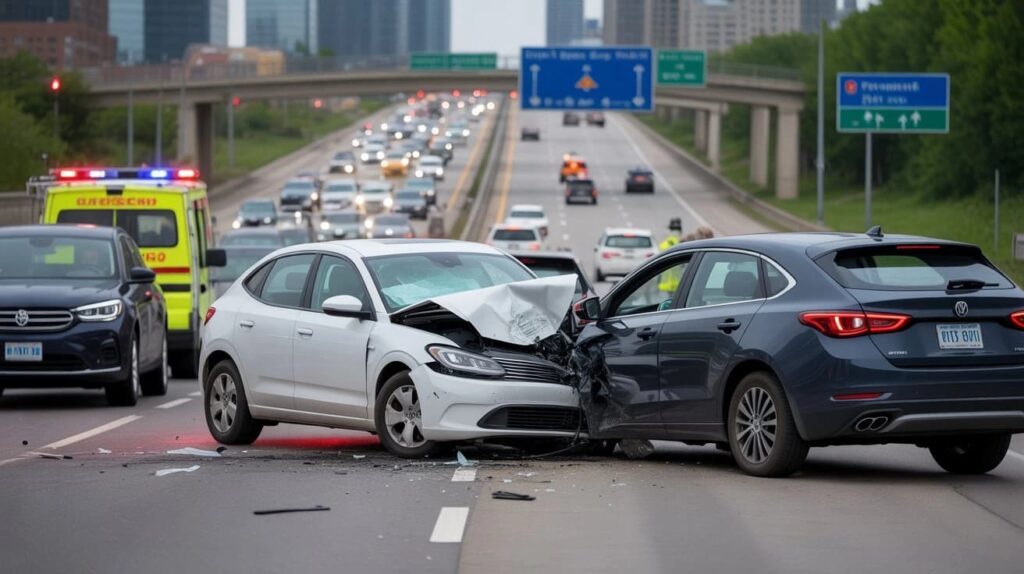
Every day, road closures are implemented across highways and local streets for various reasons, such as construction, accidents, weather conditions, or emergencies. While the intention behind these closures is always to ensure public safety, some drivers still choose to ignore these warnings and attempt to drive on closed roads. However, driving on closed roads poses serious risks, not just for you but for other drivers and road workers.

In this article, we will explore the dangers of driving on closed roads, explain why it’s a bad idea, and share essential safety tips to ensure you stay on the right side of the road, literally and legally.

Why Are Roads Closed?

Roads are typically closed for a variety of safety-related reasons, including but not limited to:

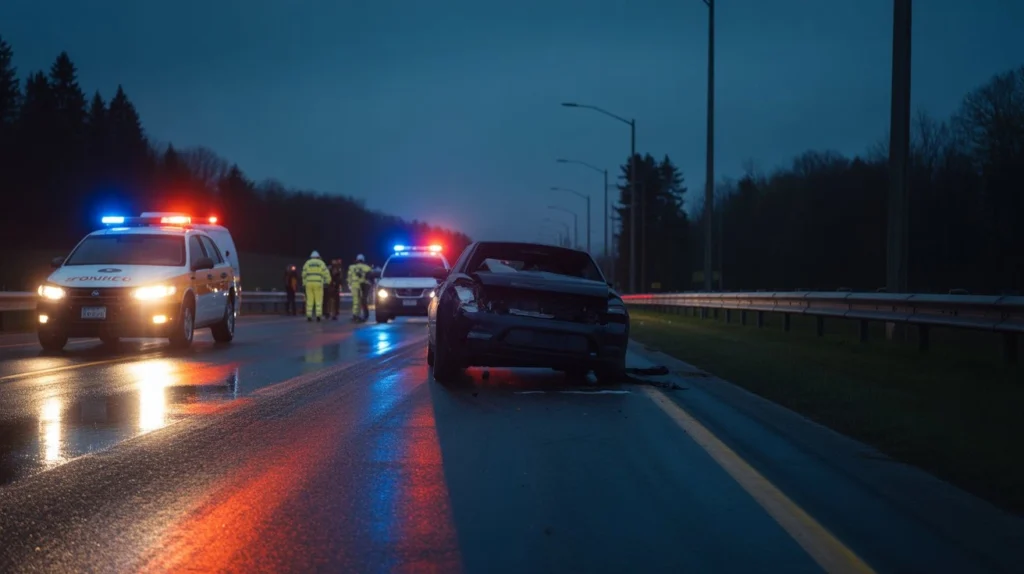
1.  Accidents and collisions: When an accident occurs, emergency vehicles need access to the site, and it’s dangerous for regular traffic to be near.

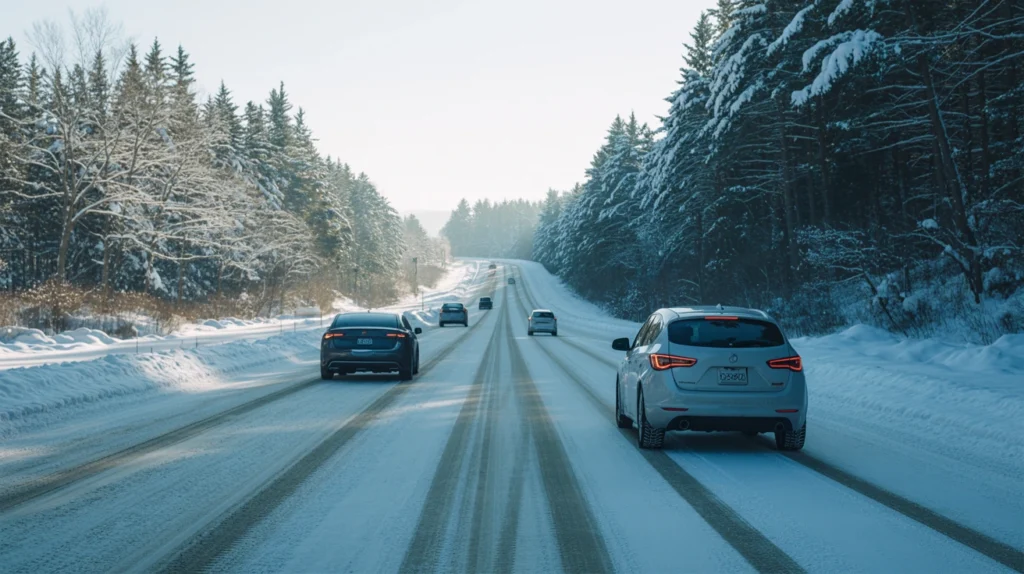
2. Weather conditions: Severe weather, like snowstorms, floods, or hurricanes, can make roads impassable or unsafe. For up-to-date weather and road information, you can check road conditions with the National Weather Service.

3. Construction and maintenance: Roads are often closed for repairs or maintenance to avoid accidents and prevent further damage to the infrastructure.

4. Natural disasters: Earthquakes, landslides, or wildfires can force local authorities to close roads to protect the public.

In each of these cases, road closures are implemented for the safety of everyone. Ignoring these closures puts you at risk and can lead to serious consequences.

The Dangers of Driving on Closed Roads

While it might seem tempting to drive on closed roads to avoid traffic or take a shortcut, the dangers far outweigh the benefits. Here’s why:

A flooded rural road with a fallen tree partially submerged in water after heavy rain.

1. Hidden Hazards

Closed roads often have hidden dangers that aren’t immediately visible. For example, a flooded road may appear drivable but can be much deeper than it looks, and attempting to cross it can cause your vehicle to become stuck or swept away. Landslides, fallen trees, or damaged infrastructure are common hazards that drivers may encounter on closed roads.

2. Road Work and Obstructions

Many road closures are in place due to construction or repair work, which often includes heavy equipment, uneven surfaces, and temporary obstructions. These hazards can damage your vehicle or cause accidents if you’re driving too quickly or without the proper awareness of your surroundings. For example, you could encounter workers or equipment blocking the path, making it impossible to safely continue driving.

3. Legal Consequences

Driving on a closed road is illegal and can result in fines, citations, and even criminal charges. If you’re facing legal consequences due to road violations, contact our Personal Injury Lawyer for assistance.

4. Risk to Emergency Responders

When emergency responders are on the scene of an accident, it is critical to keep the area clear so they can do their jobs. By driving on a closed road, you are putting rescue teams at risk, potentially delaying their ability to help those in need. It also increases the chances of a secondary collision while emergency vehicles are trying to access the scene.

5. Stranded or Stuck

Driving on closed roads can also leave you stranded, especially in remote areas or during bad weather conditions. If your vehicle breaks down or gets stuck due to poor road conditions, you may find it difficult to get help, and you could be left in a dangerous situation. In extreme cases, such as in the event of flooding or snowstorms, you could be at risk of exposure to the elements.

How to Stay Safe: Tips for Dealing with Road Closures

To avoid the dangers of driving on closed roads, follow these tips:

1. Pay Attention to Road Closure Signs

When you encounter a road closure sign, always obey it. These signs are placed for a reason, and ignoring them can put you in serious danger. Even if it seems like a minor inconvenience, it’s better to take a longer route than risk getting caught in a dangerous situation.

2. Stay Informed About Current Road Conditions

Always check road conditions before setting out, especially during winter or after a storm. You can use resources like the official provincial websites, apps, or even GPS systems to get real-time updates on road closures and traffic conditions. For example, if you’re asking yourself, “What is the highway 1 closure today?” or searching for “hwy closures near me”, always make sure to stay updated to avoid unnecessary risks.

3. Use Detours When Available

If you encounter a road closure, follow the official detours provided by local authorities. These detours are designed to guide you safely around closed areas and prevent you from unknowingly driving into dangerous zones.

4. Don’t Take Shortcuts

Even though driving on a closed road might seem like a quick shortcut, it’s never worth the risk. Taking alternative routes may take a little longer, but they will be much safer in the long run. Driving on closed roads to save time could result in damage to your vehicle, legal issues, or even worse, serious injury.

When Do You Need to Check Highway Closures?

It’s always important to stay informed about highway closures, whether it’s highway 21 road conditions or highway 1 closure today. Regular updates are available through local traffic authorities, radio stations, and government websites. Additionally, GPS apps and online maps often include real-time alerts about road closures, accidents, and weather-related disruptions.

Conclusion

While it may be tempting to drive on closed roads, the dangers far outweigh any perceived convenience. From hidden hazards and legal consequences to the risk of stranded vehicles and emergency response delays, ignoring road closure signs puts you and others at significant risk. Always respect road closure warnings, stay informed about highway conditions, and follow detours to ensure your safety and that of everyone on the road.

Canada’s Upcoming Driving Law Changes: What You Need to Know for 2025

A blue electric pickup truck driving on a scenic mountain highway under a bright sky with clouds and pine trees.

 As we approach July 2025, Canadians should prepare for the implementation of several significant driving law changes. These updates aim to enhance road safety, standardize vehicle regulations, and address emerging issues like distracted driving. However, it is essential to distinguish between federal regulations and provincial changes, as Canada’s driving laws remain a blend of both.

This article will detail the new driving laws in Canada that are set to take effect, focusing on the driving law changes for July 2025. We’ll also debunk some common myths and explain how these changes could impact drivers across Canada.

Federal Updates: Key Changes for Canada’s Driving Laws in July 2025

The Canada driving law 2025 changes primarily focus on vehicle safety and import regulations, with some updates that will directly affect drivers. While federal regulations apply uniformly across all provinces, there are significant provincial variations that drivers should understand.

Updates to Motor Vehicle Safety Regulations (MVSR)

The Motor Vehicle Safety Regulations (MVSR), which govern vehicle manufacturing and importation, will undergo some updates in 2025. Changes include:

  • Safety recalls: Vehicle companies will be required to publish recall information more effectively and ensure that drivers have easy access to this information.
  • Lighting and Mirror Standards: Updates to mirror visibility requirements will align Canada’s laws with international standards.
  • Noise Emission Regulations: Changes in emission standards for vehicles will ensure Canada’s compliance with global noise reduction targets.

These updates will not affect daily driving behavior but will require manufacturers and importers to ensure that vehicles meet these new standards before they are sold in Canada.

Federal Road Safety Reforms

There have been discussions about imposing stricter rules related to distracted driving and speeding across Canada. However, no nationwide ban on handheld devices or uniform speed limits will be enforced in July 2025. While Ontario and other provinces have stronger enforcement for distracted driving, a federal mandate has not been passed yet.

Provincial Changes to Driving Laws: What’s New in 2025

The new driving laws in Canada are largely regulated by each province. Some changes, such as restrictions on distracted driving, novice driver licenses, and speed limits, are specific to each province.

A police officer standing beside a car, speaking to the driver during a traffic stop in a busy city intersection.

Ontario’s Upcoming Regulations

Ontario has been one of the most proactive provinces in terms of distracted driving laws. Starting July 2025:

  • Stricter penalties for distracted driving: Ontario plans to increase fines and demerit points for using handheld devices while driving.
  • New electronic vehicle mandates: Ontario will require all new vehicles to meet enhanced emission standards. This aligns with federal changes but is more aggressively implemented at the provincial level.

These provincial changes to Canada’s new driving laws are designed to improve road safety by reducing distractions and ensuring cleaner vehicle emissions.

British Columbia: Motor Vehicle Amendment Act, 2025

BC’s new laws will introduce significant changes to driver licensing and road safety regulations. As of July 1, 2025, BC will:

  • Modernize its novice licensing system to include graduated licensing for new drivers.
  • Introduce stricter speed enforcement near schools and playgrounds.

These updates will affect how new drivers are trained and licensed in the province, as well as how local authorities enforce speed limits.

Other Provincial Developments

Provinces like Alberta, Quebec, and Nova Scotia will introduce their own distracted driving laws in 2025, largely increasing fines and demerits for using electronic devices while driving. These rules are expected to impact all drivers, with potential penalties ranging from $500 to $1,000 for first offenses.

Debunking Myths About Canada’s New Driving Laws for 2025

Myth: “There’s a Nationwide Ban on Handheld Devices”

Reality: While several provinces, including Ontario, have stricter laws regarding distracted driving, Canada’s national government has not passed a blanket ban on handheld devices. Each province retains the power to enforce its own laws on this issue.

“Canada’s New Driving Laws in 2025 Apply to All Provinces”

Reality: Canada’s new driving laws for 2025 include both national regulations (e.g., vehicle safety standards) and provincial rules (e.g., speed limits, distracted driving fines). There is no single, uniform driving law across the country.

“Canada’s Driving Laws Will Make All Cars Have Advanced Driver Assistance Systems (ADAS)

Reality: Although ADAS systems are becoming standard in many new vehicles, Canada’s driving laws do not require all new cars to have these technologies by July 2025. The federal government has yet to mandate such a requirement, although it may be a topic of discussion in future consultations.

How Will These Driving Law Changes Affect You?

For Everyday Drivers

If you’re a regular driver, the changes to distracted driving laws are the most immediate concern. Be aware of the stricter penalties for using electronic devices while driving, especially in provinces like Ontario and BC.

For Commercial Drivers

Commercial drivers may see changes in hours-of-service regulations. Additionally, vehicle safety standards will become more stringent, particularly for new fleet vehicles.

For Vehicle Owners

Owners of new vehicles should check whether their car meets the updated safety standards and whether it qualifies for recall notices. Car owners in provinces like Ontario should also prepare for stricter emission standards for vehicles.

What are the key changes in Canada’s driving laws effective in July 2025?

Starting in October 2025, several significant changes to Canada’s driving laws will take effect. These include updates to vehicle safety standards, such as mandatory safety recalls and changes to emission regulations. Additionally, provincial laws regarding distracted driving and driver licensing will be updated, with many provinces tightening penalties for using handheld devices while driving. These changes are aimed at improving road safety and reducing environmental impact.

Do the new Canada driving laws apply to all provinces equally?

No, the new Canada driving laws are a combination of federal and provincial regulations. While the federal government sets broad safety standards for vehicles, provincial governments are responsible for enforcing rules on traffic fines, distracted driving, and driver licensing. This means that the specifics of how laws are applied can vary by province. For example, Ontario may have stricter penalties for distracted driving compared to British Columbia.

How will the new distracted driving laws affect me as a driver?

The October 2025 changes include stricter penalties for distracted driving, particularly in provinces like Ontario and British Columbia. If you are caught using a handheld device, you may face increased fines and demerit points. In some provinces, the use of smartwatches and dash screens while driving will also be considered a distraction. It’s important to stay hands-free while on the road to avoid potential penalties.

Are the changes to Canada’s driving laws related to vehicle safety and emission standards?

Yes, one of the key areas of change in July 2025 is in vehicle safety regulations and emission standards. The federal government is enforcing stricter emission regulations for new vehicles, which will impact both manufacturers and vehicle owners. Additionally, vehicle companies will be required to provide clearer and more accessible information regarding safety recalls to ensure that all drivers have the necessary information to maintain their vehicles in compliance with the updated laws.

What should commercial drivers know about the new driving laws 2025?

For commercial drivers, July 2025 will bring new regulations regarding hours-of-service and vehicle compliance. Fleet operators will need to ensure their vehicles comply with the updated safety standards and emissions regulations. Commercial drivers will also need to adapt to new rules that may impact driver schedules, particularly in regions with increased enforcement on driving hours. It’s essential for commercial drivers to stay informed about both federal and provincial changes to avoid penalties and remain compliant.

Conclusion

Canada’s driving law changes for 2025 will focus on vehicle safety and road safety regulations. While many changes will impact vehicle manufacturers and commercial drivers, everyday drivers in Canada will also feel the effects, particularly when it comes to distracted driving penalties and licensing rules. 

Keep up with provincial updates, as local authorities will enforce these laws differently across regions. Stay informed, stay safe, and remember to follow Canada’s new driving laws to avoid unnecessary fines and penalties.

If you’re in need of a personal injury lawyer, look no further than Manna Law. Visit Manna Law to learn more about how they can assist with your personal injury case.