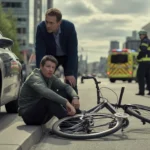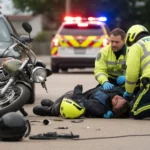

If you’re reading this right after a crash, I’m going to speak to you the way I would if you were sitting across the desk from me in Mississauga: calm, direct, and focused on what you need next.
Most people don’t call a lawyer because they “want a lawsuit.” They call because they feel stuck between pain, paperwork, and an insurer asking for decisions before they feel ready. Ontario can feel especially confusing because you may have accident benefits through your own insurer under SABS, and you may also have a separate claim against the other driver, depending on your injuries and losses.
I’m Aman Kalra, and I run Maana Law in Mississauga. We offer free consultations, No Win, No Fee representation, and we can meet virtually or visit you at home or in the hospital if needed. This guide is informational, not legal advice, but it’s written to help you make a calm decision about what to do next.
Key takeaways from this guide
- How Ontario car accident claims work, accident benefits (SABS) vs a claim against the other driver
- The 10 clear signs it’s time to speak with a lawyer
- When a “minor” accident can often be handled on your own, and when it can’t
- Car accident lawyer vs insurance claim, what adjusters do vs what lawyers do
- Cost vs benefit of hiring a lawyer in Ontario, including No Win, No Fee basics
- What can increase settlement value, and what evidence matters most
- The first 24–72 hours after a crash and the key Ontario timelines that can affect your options
When Do You Need a Car Accident Lawyer After an Ontario Car Accident?
If you were sitting across the table from me, this is what I’d explain.
Most people should talk to a lawyer when injuries, benefits, or fault are not straightforward.
If you’re facing denials, delays, pressure to settle, or anything that may impact long-term recovery, legal help usually pays for itself in reduced risk and stronger outcomes.
Below are 10 signs that your situation is no longer “routine.”
10 signs you should seriously consider legal help
Sign 1: Your injuries are not clearly minor.
If you’re missing work, losing sleep, relying on pain medication, or needing ongoing treatment, you may be outside the Minor Injury Guideline path.
Quick scenario: You thought it was a “stiff neck,” but you still can’t sit at your desk without pain after two weeks.
Sign 2: Symptoms keep changing or spreading.
New headaches, dizziness, nerve pain, anxiety, or mobility issues often show up later.
Quick scenario: Your lower back felt fine at first, then flared up when you returned to normal activity.
Sign 3: You’re placed under the Minor Injury Guideline but it doesn’t match your reality.
The label affects funding and the type of care you can access.
Quick scenario: You’re told your injuries fall under the minor category, but you can’t lift your child or work full shifts.
Sign 4: Your accident benefits are denied or delayed.
Delays can stall treatment and force you to pay out-of-pocket.
Quick scenario: You submit forms, then weeks pass with no clear decision, and your clinic stops booking you.
Sign 5: You receive a low early settlement offer.
Early offers often arrive before the long-term picture is clear.
Quick scenario: You’re offered a quick payment within days, before you’ve even had imaging or a specialist visit.
Sign 6: Fault is disputed, or you’re being blamed partially.
Fault affects more than pride; it can affect how insurers treat parts of the claim and what you can pursue.
Quick scenario: The other driver says you changed lanes, you say they did, and now both insurers dig in.
Sign 7: It was a hit-and-run or the other driver is uninsured or underinsured.
These cases can involve different claim paths, extra paperwork, and harder evidence issues.
Quick scenario: The other car took off, and you’re trying to track down video and witnesses before it disappears.
Sign 8: The crash involved multiple vehicles.
Multi-vehicle collisions raise complexity fast: differing stories, chain-impact questions, and divided responsibility.
Quick scenario: Three cars are involved, and each driver blames the one ahead.
Sign 9: You feel pressured to settle quickly.
Pressure tactics often show up when insurers want closure before your medical picture is stable.
Quick scenario: You’re told, “This offer won’t last,” while you’re still attending physio.
Sign 10: Your life impact is bigger than the visible injury.
If you’re facing lost income, future care costs, long-term limitations, or emotional distress, the claim needs planning, not guessing.
Quick scenario: You can’t return to your job duties, and your doctor is discussing restrictions that may last months.
A real-world note from our Mississauga files: we often meet clients who were first told their injuries were “minor,” then later needed deeper assessments and stronger evidence to access proper treatment funding. That shift is common, and it’s where early legal direction can prevent months of avoidable struggle.
What If Symptoms Worsen Weeks or Months Later?
Delayed symptoms are common after collisions, especially with whiplash, soft-tissue injuries, concussion-like symptoms, and chronic pain patterns. You may feel “mostly okay” at first, then worsen once adrenaline fades and daily movement returns.
The practical risk is this: if you accept a settlement too early, you may close the door on future compensation for issues that were not clear yet. Also, if you delay treatment documentation, it can become harder to connect symptoms back to the crash.
If your condition changes later, the safest approach is to document it quickly: medical visits, updated notes, and consistent reporting of how the injury affects your work and home life.
Should You Get a Lawyer for a Minor Car Accident in Ontario?
If you’re feeling unsure about calling a lawyer after a small crash, you’re not alone.
If there are truly no injuries, no red flags, and the claim stays simple, many people can handle it without a lawyer.
The key is knowing what “minor” really looks like in practice, and spotting the moment it stops being minor.
Here’s the clearest way I can put it: a “minor” crash is not about the dent. It’s about your body, your function, and whether the insurer treats your claim smoothly.
Situations where you can often handle it yourself
You’re usually in a low-risk zone if all of the following are true:
- You have no pain and no symptoms in the days that follow
- No one needs medical care beyond a basic check
- Fault is obvious and not being debated
- You’re not missing work or losing income
- The insurer is paying for vehicle damage without delays or disputes
One Mississauga-specific detail many drivers miss: the damage reporting threshold changed. Many police services now reference $5,000 combined damage for reporting at a Collision Reporting Centre, often with a time window to attend. If you’re uncertain, check your local CRC and your insurer’s instructions right away. Knowing exactly what to do after car accident incidents ensures you don’t miss these critical reports.
A quick example from a recent consult: a driver came in thinking, “should i get a lawyer for minor car accident” because the vehicle damage looked small. What changed the answer was the next two weeks, pain increased, work got missed, and the insurer started pushing for a fast close. The crash didn’t change, the injury picture did.
How Does Ontario’s No-Fault Insurance System Work and Where Do Lawyers Fit In?
Right now, you might be trying to relate this to your own situation.
Ontario’s system is “no-fault” in a very specific way: you can access statutory accident benefits through your own policy even if you were at fault.
Lawyers often step in when the benefits process becomes disputed, when the injury classification limits treatment, or when a separate claim against the at-fault driver is needed.
Here’s the simple flow most people experience:
- You notify your insurer and start an accident benefits claim
- Forms get requested and submitted (OCF forms)
- Your injuries are categorized, and that category affects what funding is available
- If benefits are reduced, stopped, or denied, disputes can go to the Licence Appeal Tribunal (LAT-AABS)
Why injury classification matters so much
The dollar limits are one reason people feel stuck. Many readers are surprised to learn how different the benefit levels can be:
| Injury category (common framing) | Medical + rehab funding (typical cap) |
|---|---|
| Minor Injury Guideline (MIG) | $3,500 |
| Non-minor (non-catastrophic) | $65,000 |
| Catastrophic impairment | $1,000,000+ |
These commonly referenced benefit caps come from Ontario’s accident benefits structure and are widely used in claim handling discussions.
One more Ontario detail worth knowing: the regulation governing SABS includes a note that on July 1, 2026, certain benefits are set to be offered as optional benefits for policies entered into or renewed on or after that date. If your crash happens after a renewal near that date, your exact coverage may depend on what was selected on your policy.
A quick practical example: we often see clients told “you’re MIG,” then later their treatment needs clearly exceed that. The earlier the medical documentation matches the real impact, the easier it is to challenge a mismatch.
Car Accident Lawyer vs Insurance Claim: What’s the Real Difference?
Let’s pause for a moment and look at this from your perspective.
If your insurer is cooperative and the claim stays clean, you may feel fine handling things directly.
If the insurer disputes fault, limits treatment, delays payments, or pushes settlement timing, the gap between “insurance process” and “legal process” becomes obvious.
Insurance adjusters are not your advocate. They work within the policy and their claim guidelines. A lawyer’s role is to protect your legal position, preserve evidence, and pursue full compensation where the law allows.
Here’s the comparison most clients find helpful:
| Topic | Insurance claim handling | Lawyer-led claim strategy |
|---|---|---|
| Main focus | Close the claim within policy rules | Protect your rights and long-term recovery plan |
| Injury documentation | Often form-driven | Evidence-driven (medical, work, daily function) |
| Fault disputes | Insurers apply fault rules | Legal analysis plus evidence support |
| Denials/limits | May be accepted as final | Can be challenged (benefits disputes, litigation steps) |
| Experts | Rare unless required | Can involve medical, vocational, reconstruction support |
On fault, Ontario insurers must determine fault using the province’s Fault Determination Rules. That’s one reason disputed-fault cases can turn into long, technical arguments fast.
A quick side-by-side scenario we see a lot:
- Self-handled claim: treatment gets delayed after an insurer questions “necessity,” and the injured person stops care due to cost.
- Lawyer-supported claim: treatment evidence is organized early, denials are challenged in the proper forum, and settlement timing waits until the medical picture is stable.
What Are the Benefits of Hiring a Car Accident Lawyer in Ontario?
Before you decide anything, I want you to see what you gain in plain terms.
A lawyer can reduce the risk of under-settling and can manage disputes that block treatment and income support.
For serious cases, legal representation often changes the result, because evidence, deadlines, and negotiation leverage are handled deliberately rather than reactively.
This is where people also ask: “do i need a lawyer for car accident” if the insurer seems polite. Polite is not the same as protective. If your injuries or losses are meaningful, you need a plan that holds up months later, not just today.
The benefit list most clients care about
- Clear claim mapping: accident benefits vs a separate claim against the at-fault driver
- Protection from rushed settlements
- Stronger medical and income evidence organization
- Handling disputes at the LAT-AABS if benefits are denied or stopped
- Better positioning for future care costs and lost earning capacity where applicable
A data snapshot, with the right context
Ontario-only settlement studies are hard to find in public form, but large consumer survey data in personal injury claims shows a consistent trend: represented claimants report higher gross settlements than unrepresented claimants. Understanding the car accident settlement Ontario trends can help set realistic expectations.
A well-known consumer survey summarized by Nolo reported an average settlement of $77,600 for people with lawyers versus $17,600 for people without lawyers, and a higher chance of receiving a settlement at all.
That’s not a promise for your case, and it’s not Ontario-specific. Your result depends on injury severity, fault, documentation, and legal thresholds. Still, the pattern helps explain why representation can matter when a claim has real complexity.
Simple bar chart (gross settlement averages reported in that survey):
- With lawyer: $77.6k
- Without lawyer: $17.6k
If you’re uncertain whether your claim is truly minor or quietly turning complex, reach out to Maana Law in Mississauga for a free case review. You’ll leave that conversation with a clearer yes-or-no on next steps, and you won’t be pressured.
Key Ontario Deadlines You Can’t Afford to Miss After a Crash
From my experience, this is where most clients want a clear answer.
Ontario has strict time limits, and missing them can shrink your options fast.
Even strong cases can weaken when notice and application steps are late, because evidence fades and procedural rights can be lost.

Here are the deadlines I want you to keep front and center:
The timeline that protects your claim
| Timeline marker | What it usually relates to | Why it matters |
|---|---|---|
| 7 days | Written notice to your insurer after a reportable incident or if you plan to claim | Late notice can trigger arguments and delays |
| 30 days | Accident benefits application timing after forms are provided | Delays can stall treatment funding |
| 120 days | Notice of intention to sue (linked to the right to pre-judgment interest) | Missing it can cost money later even if you win |
| 2 years | Basic limitation period for many civil claims in Ontario | Lawsuits filed late can be barred |
For accident benefits disputes, the Licence Appeal Tribunal’s accident benefits service commonly requires an application within two years from the date the insurer denies benefits, with limited extension scenarios.
A quick example we see too often: someone focuses only on vehicle repairs, then finds out months later that a benefits dispute is now time-sensitive. The injury didn’t change, the clock did.
Frequently Asked Questions
If you want quick clarity, these are the straight answers.
Do I need a lawyer for a minor car accident in Ontario?
Not always. If you have no symptoms, miss no work, and your insurer handles everything smoothly, you can often manage it yourself. If pain starts later, benefits are delayed or denied, or fault is disputed, a consult is a smart step.
Should I get a lawyer if the insurance company offers a quick settlement?
Usually, yes. Early offers often come before your medical situation is clear. Once you sign a release, it can be hard to claim for problems that show up later.
Is it worth getting an attorney after a car accident with delayed symptoms?
Often, yes. Delayed symptoms are common. A lawyer helps protect you from settling too early and helps keep your medical evidence organized from the start.
How hard is it to fight denied accident benefits without a lawyer?
Hard for many people. Benefit disputes involve strict forms, evidence, and deadlines. If you miss a step, it can weaken your position.
What is the average settlement increase with a car accident lawyer in Ontario?
There is no single reliable Ontario “average” because outcomes vary and many settlements are private. In general, representation can improve results in serious or disputed claims, but your facts and medical evidence matter most.
Can I handle my own claim under Ontario’s no-fault system?
Yes, if your injuries are truly minor and benefits are paid without issues. If you are pushed into MIG, benefits are cut off, or the insurer disputes treatment, it often becomes risky to handle alone.
How much compensation can I get for pain and suffering after a serious accident?
It depends on the severity and lasting impact of your injuries, plus Ontario’s legal thresholds and deductibles. A realistic range requires your medical records and the details of your case.
What does “no win, no fee” really mean at Maana Law?
It generally means you do not pay legal fees upfront, and fees are taken from a recovery if the case succeeds. Always confirm the percentage, disbursements, and the exact written terms before signing.
Conclusion
If your pain is ongoing, benefits are delayed or denied, fault is disputed, or you feel pressure to settle fast, talk to a lawyer before you sign anything.
Contact Maana Law in Mississauga for a free, no-obligation consultation. You can speak with us virtually, or request a home or hospital visit if travel is difficult.