
Has your dog ever acted unpredictably, leaving you worried about what could happen next? For many pet owners, dogs are more than just animals; they’re family. They bring comfort, loyalty, and love every single day. But even the most gentle dogs can sometimes behave unexpectedly, and when that happens, the consequences can be stressful and confusing. You might wonder, “What happens if my dog bites someone?” or “Am I legally responsible?”
At Maana Law, we understand the anxiety and uncertainty that can follow such situations. As a dog owner in Ontario, it’s important to know your legal duties and how to protect yourself, your pet, and others.
In this blog, we’ll walk you through the Dog Owners’ Liability Act (DOLA), key municipal bylaws, common legal defenses, and practical steps to prevent incidents. Whether you’re a new or experienced pet parent, understanding your responsibilities helps keep everyone, including your beloved dog, safe.
By reading this blog, you will gain valuable insights into:
- Dog owners in Ontario are legally accountable for damages caused by their dogs.
- The Dog Owners’ Liability Act (DOLA) holds owners strictly liable for injuries or damages caused by their pets.
- Local municipal bylaws regulate dog ownership, including licensing, leash laws, and waste management.
- Dog owners are encouraged to follow safety guidelines and comply with local regulations to minimize risks.
What Does Legal Responsibility Mean for Dog Owners?
In Ontario, the legal responsibility of dog owners is taken very seriously. As a dog owner, you are responsible for any harm your dog may cause, whether it’s a bite, an attack, or even damage to another person’s property. This liability extends not only to injury caused by your dog but also to any damage they may cause, such as destroying property or injuring another animal.
For example, if your dog bites someone or causes an accident, you could be held responsible for the victim’s medical expenses, lost wages, and emotional distress. This responsibility applies regardless of whether the dog was provoked or if the owner was aware of any previous aggressive behavior.
Understanding these legal obligations is crucial in protecting both your pet and the public. A failure to take precautions or control your dog can lead to serious legal and financial consequences. You can also explore related cases in our post on Liability in Dog Bite Cases to see how courts determine fault and damages in Ontario.
Understanding the Dog Owners’ Liability Act (DOLA)
The Dog Owners’ Liability Act (DOLA) is Ontario’s primary piece of legislation that governs dog ownership and liability. Under DOLA, dog owners are strictly liable for any damages or injuries caused by their pets, meaning the owner is responsible regardless of whether they were negligent. This is known as “strict liability.”
Key Principles of DOLA
- Strict liability: Dog owners are responsible for any harm caused by their dog, regardless of fault.
- Scope of liability: The law applies to all incidents involving a dog, including attacks on people, animals, or damage to property.
- Examples of damages: Victims of dog attacks can seek compensation for medical bills, lost income, and pain and suffering.
DOLA makes it clear that dog owners must take precautions to prevent their pets from causing harm to others. If a dog causes injury or damage, the owner is generally held financially accountable. For victims of serious incidents, our Dog Bite Lawyer in Mississauga can help navigate the claims process and recover fair compensation.
Defenses and Exceptions Under DOLA
While dog owners are strictly liable for damages, there are some defenses that may reduce or eliminate liability in certain circumstances. These include:
- Provocation: If the victim provoked the dog, this can serve as a defense in some cases. However, this defense is difficult to prove and must be supported by evidence.
- Trespassing: If the victim was on the owner’s property without permission, the dog owner may not be liable for any injuries sustained.
- Contributory negligence: If the victim’s own actions contributed to the injury (such as teasing the dog), this could reduce the owner’s liability.
Even though these defenses exist, they can be complex to argue in court, and liability is often still placed on the dog owner, especially if the dog has a history of aggression.
Municipal Dog Ownership Rules (Toronto Example)
In addition to DOLA, Ontario municipalities, such as Toronto, have local bylaws that further regulate dog ownership. These regulations focus on ensuring public safety and protecting the community from the risks posed by dogs. Common municipal dog ownership rules include:
Leashing and Muzzling Requirements
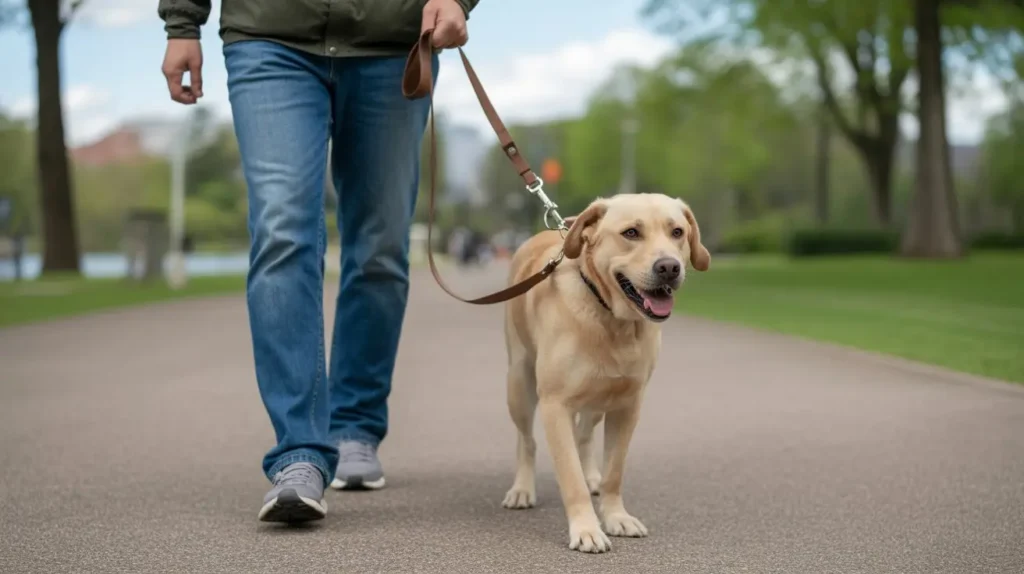
Ontario municipalities often require dogs to be leashed or muzzled when in public spaces. In Toronto, for instance, certain breeds, such as pit bulls, are required to wear muzzles in public. The leash length may also be regulated to ensure dogs are safely controlled. Fines are imposed for failing to comply with these rules.
Licensing, Microchipping, and Vaccinations
All dogs in Ontario must be licensed, and failure to do so can result in fines. Additionally, microchipping is encouraged to ensure that lost dogs can be easily identified and returned to their owners. Rabies vaccinations are required for all dogs, with penalties for non-compliance.
Waste Management and Noise Compliance
Dog owners are also required to follow “stoop and scoop” rules, which mandate that dog waste must be removed immediately from public spaces. In addition, excessive barking can lead to noise complaints, and dog owners must take steps to minimize disturbances. Being mindful of these regulations ensures that both your dog and the community are protected.
Leashing and muzzling requirements, licensing, and vaccination laws vary across cities. You can review more about these responsibilities and safety rules in our blog Tips for Preventing Dog Bite Injuries and Staying Safe Around Dogs, which provides practical ways to keep your dog and others safe.
Dangerous Dogs and Breed-Specific Legislation
Ontario has laws that govern dangerous dogs, including breed-specific legislation. Some breeds, such as pit bulls, are subject to specific restrictions under Ontario’s Dangerous Dog laws. These laws include regulations on muzzling, leashing, and insurance requirements for these dogs. If a dog is deemed dangerous, a court may order the destruction of the dog to protect public safety.
Civil Liability and Compensation
Victims of dog bites or attacks in Ontario are entitled to compensation for their injuries. Compensation can cover medical costs, lost wages, pain and suffering, and other damages. At Maana Law, we work with victims to help them navigate the process of filing a claim and ensure they receive the compensation they deserve.
Criminal and Regulatory Penalties for Owners
Ontario law also imposes criminal and regulatory penalties on dog owners who fail to comply with the law. Penalties can include fines, imprisonment, and probation. Repeat offenders may face more severe consequences, including a permanent ban on dog ownership.
Shared Ownership and Third-Party Responsibilities
In some cases, dog ownership is shared among multiple parties, such as dog walkers, pet sitters, or foster parents. Each person involved in the care and control of the dog may be held responsible for ensuring the dog does not cause harm. Shared ownership requires clear communication and understanding of responsibilities to avoid potential legal complications.
Preventive Measures for Dog Owners
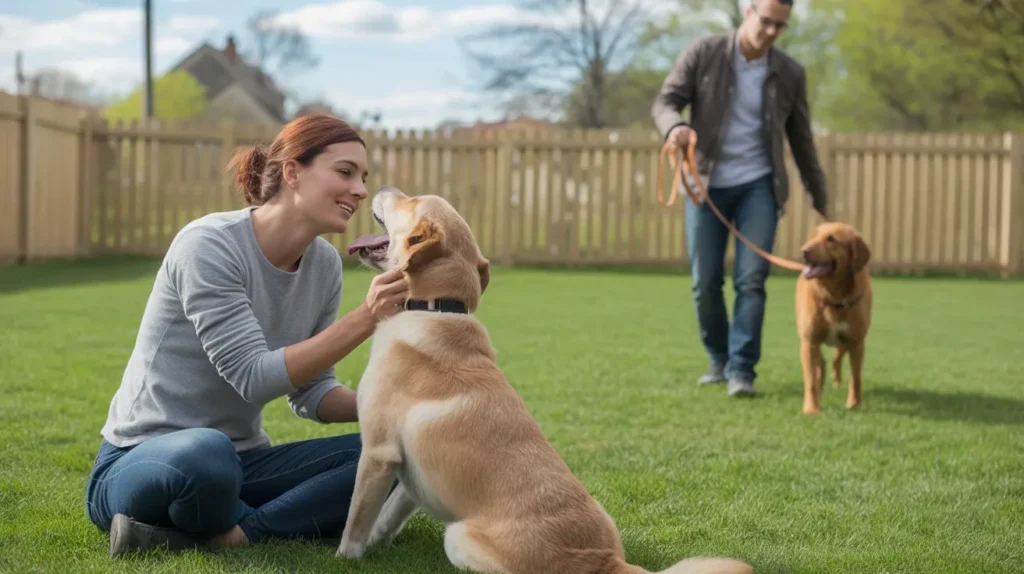
As a responsible dog owner, there are several practical steps you can take to prevent incidents and ensure public safety:
- Training and Socialization: Train your dog to respond to basic commands and socialize it with other animals and people to prevent aggressive behavior.
- Containment: Use a secure fence to keep your dog safely contained at home, and always supervise your dog when in public.
- Proper Supervision: Avoid leaving your dog alone in public spaces, especially if the dog has a history of aggression or anxiety.
- Leash and Muzzle Compliance: Follow local rules regarding muzzling and leashing requirements to ensure your dog does not pose a danger to others.
Interaction Between Provincial and Municipal Laws
DOLA works in conjunction with municipal bylaws to regulate dog ownership in Ontario. While DOLA sets the provincial standard for dog owner liability, municipalities have the authority to impose additional rules, such as leash laws, licensing, and waste management. These regulations work together to create a safe and responsible environment for both dog owners and the community.
Dog Ownership in Rental Properties and Condos
Dog owners in Ontario who live in rental properties or condos must comply with their landlord’s pet policies. Landlords may impose restrictions on the type of dog or the number of dogs a tenant can have. Service animals are generally exempt from these rules, but tenants should always check their lease or rental agreement for specifics.
Legal Cases and Precedents
Ontario’s legal landscape has been shaped by various landmark cases that have influenced dog owner liability. For example, the Wilk v. Arbour case helped clarify the owner’s responsibility when a dog with a history of aggression causes injury. These cases provide valuable lessons for dog owners and underscore the importance of being a responsible pet owner.
Recent Legislative Updates (2025 and Beyond)
Recent updates to DOLA and the Provincial Animal Welfare Services Act (PAWS) have strengthened regulations surrounding dangerous dogs and owners. Bill 147 and amendments to existing laws emphasize the need for dog owners to be vigilant and responsible. These updates aim to protect both the community and the animals.
Insurance and Financial Protection for Dog Owners
Dog owners are advised to carry liability insurance to protect themselves financially in the event of an accident or dog bite. This is especially important for owners of restricted or high-risk breeds. Insurance can help cover the costs of medical bills, legal fees, and other damages associated with dog incidents.
Why Choose Maana Law for Dog Bite and Liability Cases
When it comes to handling legal matters concerning dog bites or incidents, Maana Law brings in-depth knowledge and compassionate support. With over 10 years of experience in personal injury law, particularly in dog bite cases, we are committed to helping victims navigate the complexities of the legal system. Our approach is centered on providing clear, transparent legal guidance, focusing on securing compensation for victims while ensuring that the legal process is easy to understand.
- Decades of Legal Expertise: With over 10 years of experience, we have a proven track record of success in dog bite and personal injury cases.
- Client-Centered Approach: We take the time to understand your needs and craft legal strategies that align with your goals.
- Transparent & Affordable Services: Our No Win, No Fee policy means you won’t have to worry about legal fees unless we win your case.
- Compassionate Advocacy: We provide empathetic support throughout the legal process, ensuring you feel heard and cared for.
At Maana Law, we strive to simplify the legal process, empowering you to make informed decisions while we handle the legal complexities.
FAQs About Dog Owner Responsibility in Ontario
How many dogs can you own in Ontario?
There is no provincial limit on the number of dogs an individual can own, but municipal bylaws may regulate this in certain areas.
What are the rules for dogs in Ontario?
Dog owners must comply with DOLA, local bylaws on leashing, licensing, vaccinations, and waste management, and ensure their dog is not a public safety risk.
Who is legally responsible for a dog’s actions?
The dog owner is responsible for any harm caused by their dog, including injuries or damage to property.
Do dog owners have a duty of care?
Yes, dog owners have a duty to ensure their dog does not cause harm to others by taking reasonable precautions to control their dog’s behavior.
How to prove pet ownership in Ontario?
Proof of pet ownership can be demonstrated through documents such as a dog license, microchip registration, or veterinary records.
What is Section 57 of the Dog Control Act?
Section 57 outlines the procedure for declaring a dog dangerous and allows authorities to order control measures, muzzling, or destruction of the dog.
Can a tenant be evicted for having a pet in Ontario?
Yes, tenants can be evicted for violating a no-pet clause in their lease, but service animals are typically exempt.
Conclusion
Understanding your responsibilities as a dog owner in Ontario is essential for protecting yourself, your dog, and the community. By complying with DOLA, local municipal bylaws, and taking preventive measures, you can ensure that your dog remains a safe and well-behaved member of society. Should you need legal assistance regarding dog bite claims or liability issues, Maana Law is here to help guide you through the process with expertise and care.