
Legal Steps to Take After a Slip and Fall Accident in Ontario

Legal Steps to Take After a Slip and Fall Accident in Ontario

Slip and fall accidents are common in Ontario and can lead to serious injuries. Understanding the legal steps to take afterward can be essential for protecting your rights and ensuring a smoother recovery process. This guide outlines the critical actions to follow if you experience a slip and fall accident, from seeking immediate medical attention to building a strong case for compensation.

Seeking Immediate Medical Attention

The first priority after a slip and fall is to seek medical attention, even if your injuries initially seem minor. Some injuries, such as concussions or soft tissue damage, may not be immediately apparent but can develop into severe issues if left untreated. Visiting a healthcare provider not only ensures your health but also creates a medical record of your injuries, which can be vital if you decide to pursue a legal claim.

Documenting the Scene and Incident

Once you’re safe and have received medical care, take steps to document the scene of the accident as thoroughly as possible. Note the condition of the area where you fell—was there water, ice, or debris on the ground? Capture photographs of any hazards that contributed to your fall, as well as your injuries. Collect contact information from any witnesses and, if applicable, request a copy of any incident report created by the property owner. This documentation will help support your claim if you seek compensation later.

Notifying the Property Owner or Management

In Ontario, you should notify the property owner or manager of the slip and fall accident as soon as possible. Many businesses and property managers have specific procedures for documenting accidents, and reporting promptly helps ensure that they properly record the incident. Provide only factual details about the accident without admitting any fault. Delays in notification can weaken your case, as it may allow the property owner to dispute the circumstances or even deny the accident occurred.

Understanding the Duty of Care

In Ontario, property owners are legally obligated to maintain safe premises. The Occupiers’ Liability Act mandates that property owners take reasonable steps to prevent hazards that could cause injuries. Understanding this duty of care can help you assess if the property owner may be responsible for your injuries. If negligence is proven—such as failing to clear ice or adequately warn about potential dangers—you may have a strong case for compensation.

Determining Liability and Seeking Legal Assistance

Establishing liability in a slip and fall case can be complex. To succeed, you may need to prove that the property owner was aware of the hazard or should have been aware of it and failed to act. If you encounter difficulties in proving liability or if the injuries are significant, seeking legal assistance from a personal injury lawyer can be beneficial. An experienced lawyer can help navigate the claims process, gather evidence, and advocate on your behalf to secure fair compensation.

Conclusion

Navigating the aftermath of a slip and fall accident in Ontario involves several crucial steps that can significantly impact your recovery process and legal standing. By prioritizing medical care, documenting the incident thoroughly, notifying property management, and understanding your rights and the duty of care owed by property owners, you can effectively manage this challenging situation. If needed, seeking legal assistance can further ensure your rights are protected and help you secure the compensation you deserve. Staying informed about these procedures empowers you to handle any slip and fall scenario with confidence and clarity.

Legal Steps to Take Following a Car Accident in Ontario
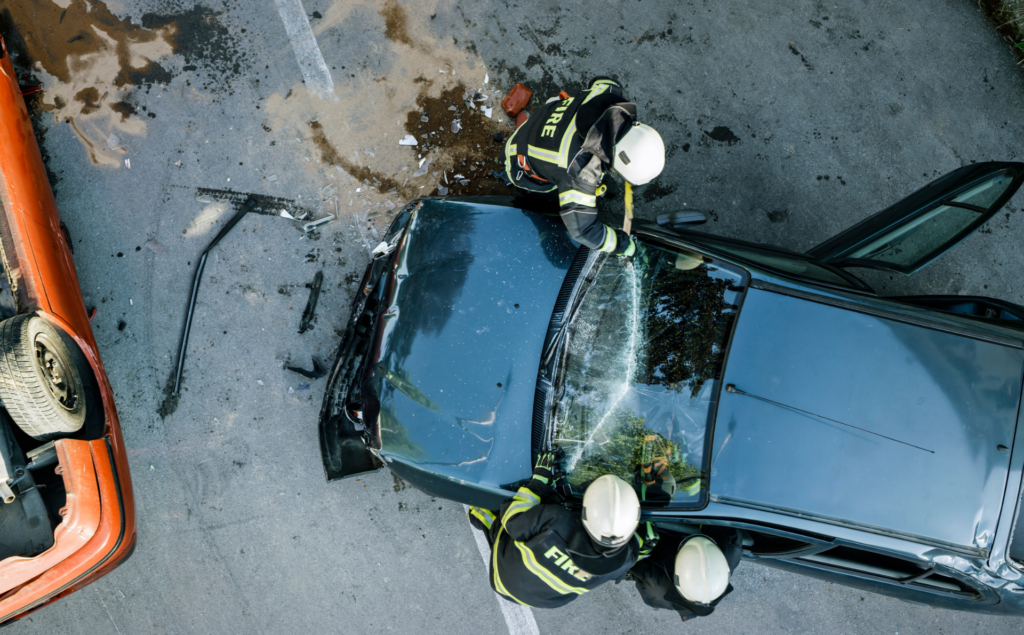
Legal Steps to Take Following a Car Accident in Ontario

Being involved in a car accident can be a daunting experience, but knowing the legal steps to take afterward can help you navigate the situation more effectively. In Ontario, there are specific procedures and timelines that drivers must follow to ensure compliance with the law and protect their rights. This guide outlines the essential actions you should take following a car accident in Ontario.

Immediate Actions After an Accident

The first step after an accident is to ensure safety. If anyone is injured, call 911 for emergency assistance immediately. If it is safe to do so, move your vehicle out of traffic and turn on your hazard lights. Once safety is secured, document the scene by taking photographs of the vehicles involved, any visible damages, and road conditions. Collect contact information from all parties involved, including witnesses, and note the time and location of the accident.

Reporting the Accident

In Ontario, you are legally required to report an accident to the police if there are injuries, if the total damage exceeds $2,000, if a government vehicle is involved, or if a pedestrian or cyclist is involved. If none of these conditions apply and the damage is below $2,000, you still need to report the accident at a Collision Reporting Centre (CRC) within 24 hours. Failing to report an accident within this timeframe can complicate your insurance claim and may lead to legal repercussions.

Filing an Insurance Claim

After reporting the accident, it’s crucial to notify your insurance provider as soon as possible—ideally within seven days. When contacting your insurer, provide them with all relevant details about the accident, including any police reports or documentation from the CRC. Your insurance company will assign a claims adjuster who will assess the damages and guide you through the claims process. Ensure that you keep copies of all documents related to the accident, including photos, witness statements, and repair estimates. This information will be vital for your claim and any potential disputes regarding fault.

Understanding Fault Determination

In Ontario, fault determination plays a significant role in how claims are processed. The Insurance Act outlines specific rules that insurers must follow when assessing fault in accidents. These rules consider various factors such as driver actions, road conditions, and vehicle positioning at the time of the collision. Understanding how fault is determined can help you prepare for discussions with your insurance company and ensure that you are treated fairly throughout the claims process. If you disagree with your insurance company’s assessment of fault, you have the right to challenge their decision. Request clarification on which Fault Determination Rule was applied and provide any additional evidence that may support your case.

Seeking Legal Assistance

If injuries were sustained during the accident or if there are disputes regarding fault or damages, it may be beneficial to seek legal advice from a personal injury lawyer experienced in car accidents. A lawyer can help protect your rights and ensure that you receive fair compensation for medical expenses, lost wages, and other damages resulting from the accident.

Conclusion

Navigating the aftermath of a car accident in Ontario involves several critical steps that can significantly impact your recovery process and legal standing. By prioritizing safety at the scene, reporting the incident correctly within required timelines, documenting all relevant information meticulously, and understanding your rights within the insurance framework, you can manage this challenging situation effectively. Staying informed about these procedures will empower you to handle any car accident scenario with confidence and clarity while ensuring that your legal rights are protected throughout the process.

Car Accident Services in Ontario What You Need to Know
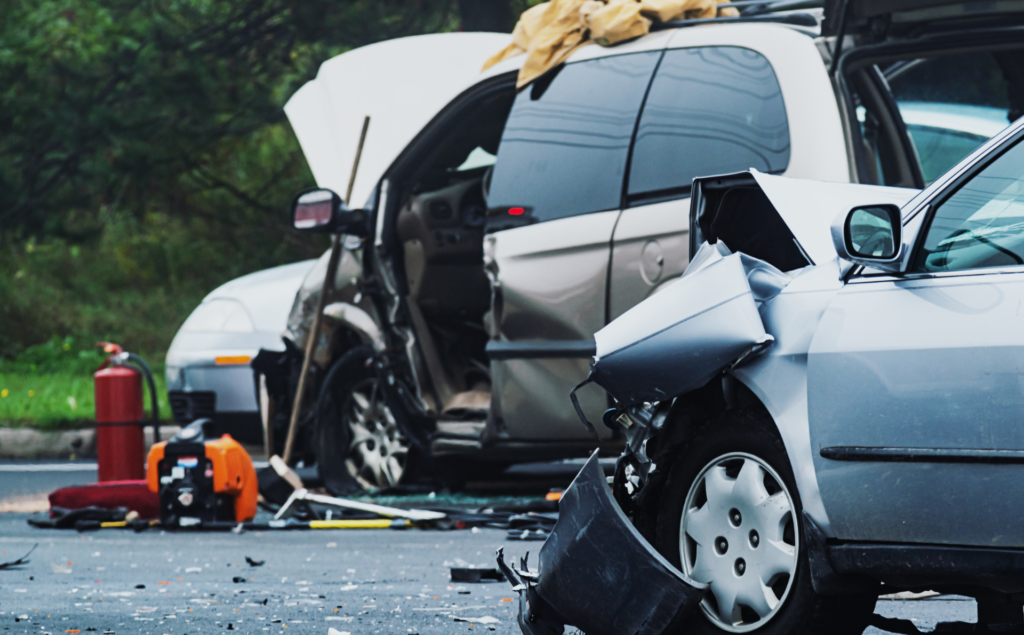
Car Accident Services in Ontario What You Need to Know

Experiencing a car accident can be a stressful and overwhelming situation. In Ontario, understanding the proper steps to take following an accident is crucial for ensuring your safety, protecting your rights, and facilitating a smooth claims process. This guide will outline the essential actions you need to take if you find yourself involved in a car accident in Ontario.

Immediate Actions After an Accident

If you are involved in a car accident, the first priority is safety. If anyone is injured, call 911 immediately for emergency assistance. It is vital to remain calm and assess the situation. If it is safe to do so, move your vehicle out of traffic to prevent further accidents. Turn on your hazard lights and use warning triangles or flares if available.

Once safety is ensured, you should document the accident scene thoroughly. Record details such as the time, date, and location of the incident, along with weather conditions and any relevant factors that may have contributed to the accident. Taking photographs of the scene and damages can also be invaluable for insurance claims later on.

Reporting the Accident

In Ontario, you are legally required to report an accident to the police if there are injuries or if the total damage exceeds $2,000. If police are not present at the scene, you must visit a Collision Reporting Centre (CRC) within 24 hours to file a report. These centres are designed to help drivers document accidents and provide necessary services like towing assistance.

When reporting the accident, exchange information with all parties involved. This includes names, addresses, phone numbers, driver’s license numbers, insurance details, and vehicle descriptions. It is crucial not to admit fault or assign blame at this stage; fault determination will be handled by your insurance company based on Ontario’s Fault Determination Rules.

Navigating Insurance Claims

After ensuring that all necessary reports are filed and information exchanged, it’s time to contact your insurance provider. In Ontario, you typically have up to seven days to notify your insurer about the accident. Providing them with detailed information about what occurred will help facilitate your claim.

Be prepared to submit documentation such as photos from the scene, witness statements, and a copy of the police report if applicable. Your insurance company will guide you through the claims process and inform you about what benefits you may be entitled to under your policy.

Understanding Your Legal Rights

If injuries were sustained during the accident or if there are disputes regarding fault or damages, seeking legal advice can be beneficial. Consulting with a personal injury lawyer experienced in car accidents can help protect your rights and ensure that you receive fair compensation for medical expenses, lost wages, and other damages.

It’s important to be aware of the timelines associated with filing claims and pursuing legal action. Delays can complicate your case or lead to denial of claims.

Conclusion

Navigating the aftermath of a car accident in Ontario involves several critical steps that can significantly impact your recovery process and legal standing. By prioritizing safety, reporting the incident correctly, documenting evidence meticulously, and understanding your rights within the insurance framework, you can manage this challenging situation effectively.

For more detailed guidance on car accident services in Ontario or if you need assistance with a claim, consider reaching out for professional help. Being informed about these processes will empower you to handle any car accident scenario with confidence and clarity.

Understanding Your Rights After a Car Accident in Ontario
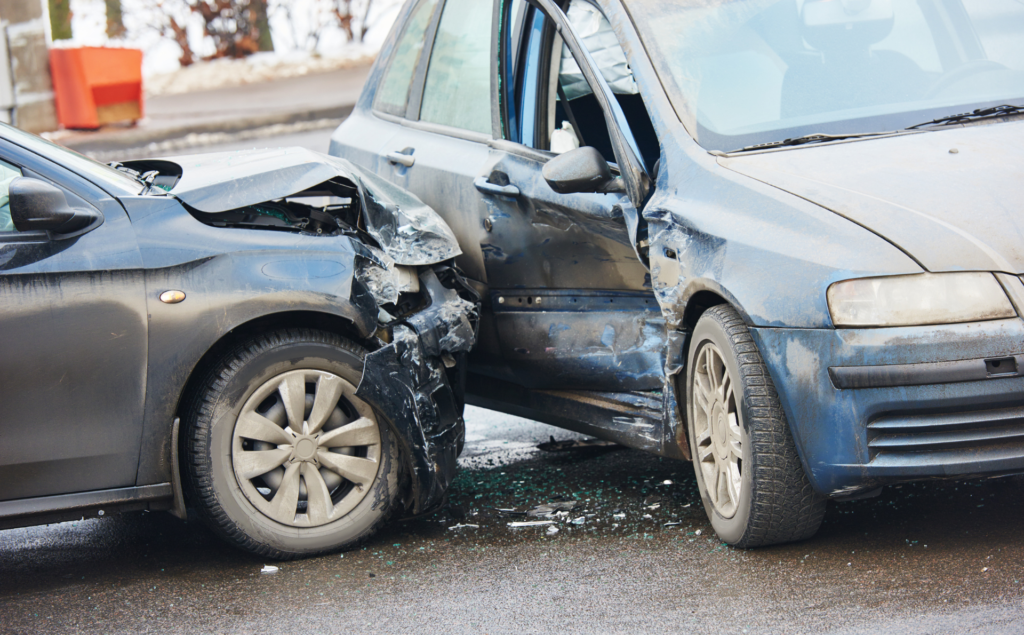
Understanding Your Rights After a Car Accident in Ontario

Owning a vehicle in Ontario is not just about the freedom of driving; it comes with a range of legal responsibilities designed to ensure the safety of drivers, passengers, and pedestrians. Understanding these obligations is crucial for every vehicle owner to avoid legal complications and promote a safe driving environment. This guide outlines the essential legal responsibilities of car owners in Ontario.

Licensing and Registration: Essential Requirements

Ontario law mandates that all drivers carry a minimum level of automobile insurance. This includes liability coverage, which protects against claims from other parties for injuries or damages resulting from an accident you cause. Understanding your policy’s specifics, including coverage limits and conditions, is essential to ensure compliance with legal requirements and adequate protection in case of an accident.

Reporting Accidents: Know the Process

If you are involved in a car accident, Ontario law requires you to report it under certain conditions. Specifically, you must report the incident to the police if there are injuries, if total damage exceeds $2,000, if a government vehicle is involved, or if the accident involves a pedestrian or results in damage to private or municipal property. For minor accidents where no one is injured and damage is below the threshold, it is still advisable to visit a Collision Reporting Centre within 24 hours to document the incident properly.

Accident Documentation: Collecting Information

After an accident, it is crucial to gather as much information as possible. This includes collecting contact information from all parties involved, obtaining insurance details, gathering witness statements, and taking photographs of the scene and damages. This documentation will be vital for any insurance claims and potential legal proceedings.

Understanding Fault Determination: Liability Awareness

In Ontario, the at-fault driver in an accident typically bears responsibility for damages. Understanding how fault is determined can help you navigate insurance claims effectively. It’s important to notify your insurance provider promptly after an accident to ensure your rights are protected and claims are processed efficiently.

Vehicle Maintenance: Ensuring Road Safety

Car owners have a responsibility to maintain their vehicles in safe operating condition. Regular maintenance checks—including brakes, lights, tires, and fluid levels—are essential for preventing accidents caused by mechanical failures. Failure to maintain your vehicle can lead to legal repercussions if it contributes to an accident.

Traffic Laws: Adhering to Regulations

All drivers must comply with Ontario’s traffic laws, including speed limits, traffic signals, and rules regarding distracted driving (such as using mobile devices). Violating these laws can result in fines, points on your driving record, or even criminal charges in severe cases. Staying informed about local traffic regulations is crucial for safe driving.

Conclusion

By understanding and adhering to these legal responsibilities, vehicle owners in Ontario can contribute to safer roads while protecting themselves legally. Licensing, insurance coverage, proper accident reporting, documentation practices, awareness of liability rules, vehicle maintenance, and compliance with traffic laws are all critical aspects of responsible vehicle ownership. Staying informed about these regulations helps create a positive driving environment for everyone on the road.

Legal Responsibilities of Dog Owners in Ontario

Legal Responsibilities of Dog Owners in Ontario

Owning a dog in Ontario is a rewarding experience, but it also comes with significant legal responsibilities designed to ensure the safety and well-being of both the dogs and the community. As a responsible dog owner, it is crucial to be aware of these obligations to avoid legal complications and promote a harmonious living environment. This guide outlines the essential legal responsibilities of dog owners in Ontario.

Licensing and Registration: A Must for Every Dog Owner

In Ontario, all dog owners must comply with local licensing requirements. Municipalities across the province mandate that dogs be licensed and registered. This process usually involves paying a fee and providing proof of up-to-date vaccinations. Licensing your dog is essential for identification purposes, making it easier to return lost dogs to their owners.

Rabies Vaccination: A Critical Health Measure

Rabies vaccination is a legal requirement for dogs in Ontario. This measure is in place to protect both animals and humans from this deadly virus. Ensuring your dog’s rabies vaccination is current is not only a legal obligation but also a crucial step in safeguarding public health.

Leash Laws: Keeping Dogs Under Control

Ontario’s municipalities enforce leash laws to maintain public safety. Dog owners are required to keep their pets on a leash and under control when in public spaces. These laws are designed to prevent dogs from causing harm or becoming a nuisance to others. Understanding and adhering to local leash laws is essential for all dog owners.

Liability for Dog Bites: Understanding the Consequences

The Dog Owners’ Liability Act (DOLA) in Ontario holds dog owners liable for any injuries their pets cause. This applies regardless of whether it is the first incident or not. Dog owners are legally responsible for bites or attacks on both people and other animals. This underscores the importance of proper training and control of your dog.

Training and Socialization: Preventing Aggressive Behavior

Proper training and socialization are key responsibilities of dog owners. These practices help prevent aggressive behavior and ensure your dog is well-behaved in various situations. Owners are expected to take reasonable steps to train their dogs, and seeking professional training if necessary is part of fulfilling this responsibility.

Providing Adequate Care: Ensuring Your Dog’s Well-being

Dog owners must provide adequate care for their pets, including proper nutrition, shelter, and medical care. The Ontario Society for the Prevention of Cruelty to Animals (OSPCA) Act enforces these requirements to protect animals from neglect and abuse. Failing to meet these standards can lead to legal repercussions.

Noise Control: Minimizing Barking Nuisances

Excessive barking can be a public nuisance and is regulated by municipal bylaws in Ontario. Dog owners are responsible for ensuring their pets do not disturb the peace with constant barking. Compliance with noise control regulations helps maintain good relationships with neighbors and prevents fines.

Responsible Waste Disposal: Keeping Public Spaces Clean

Cleaning up after your dog is a legal requirement in Ontario. Dog owners must dispose of their pet’s waste properly to maintain cleanliness and hygiene in public spaces. Many municipalities have specific bylaws enforcing this responsibility, and failure to comply can result in penalties.

Conclusion

By understanding and adhering to these legal responsibilities, dog owners in Ontario can contribute to a safe and harmonious community while ensuring the well-being of their pets. Licensing, vaccination, leash control, liability awareness, proper training, adequate care, noise control, and waste disposal are all critical aspects of responsible dog ownership. Staying informed and compliant with these regulations helps create a positive environment for everyone.

Essential Steps After a Motorcycle Accident
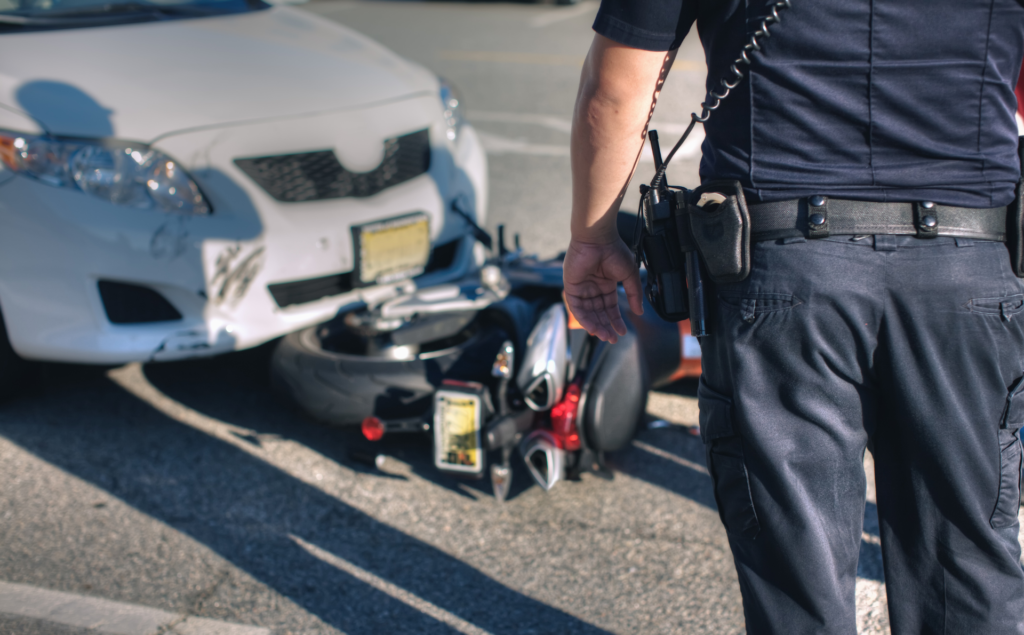
Essential Steps After a Motorcycle Accident


Motorcycle accidents can be traumatic and disorienting, but knowing the essential steps to take immediately afterward can help ensure your safety, protect your rights, and streamline the process of dealing with insurance claims and legal issues. Here’s a comprehensive guide on what to do following a motorcycle accident.

Ensure Safety and Seek Medical Attention

The first and foremost priority after a motorcycle accident is ensuring safety. Check yourself and others for injuries. If anyone is seriously hurt, call 911 immediately for medical assistance. Even if you feel fine, it’s important to seek medical attention as some injuries may not be immediately apparent.

Move to a Safe Location

If it is safe to do so and you are physically able, move yourself and your motorcycle out of the path of traffic to prevent further accidents. Turn on your hazard lights or use warning devices to alert other drivers.

Contact the Police

Report the accident to the police, especially if there are injuries, significant property damage, or if the other party is uncooperative. An official police report will be crucial for insurance claims and any potential legal actions. Make sure to get the responding officer’s name and badge number.

Exchange Information

Exchange contact and insurance information with the other driver(s) involved in the accident. This should include names, addresses, phone numbers, driver’s license numbers, license plate numbers, and insurance policy details. If there are witnesses, collect their contact information as well.

Document the Scene

Take photos of the accident scene from multiple angles, including your motorcycle, other vehicles involved, any visible injuries, road conditions, traffic signs, and any relevant surroundings. This visual evidence can be vital for your insurance claim and any legal proceedings.

Notify Your Insurance Company

Report the accident to your insurance company as soon as possible. Provide them with accurate and detailed information about the incident. Be honest and thorough in your account to avoid complications with your claim. Your insurance company will guide you through the next steps in the claims process.

Keep a Record

Maintain a detailed record of all information related to the accident. This includes medical records, repair estimates, receipts for any expenses incurred, and a log of any conversations with insurance companies or legal representatives. This documentation will be essential for supporting your claims and ensuring you receive fair compensation.

Seek Legal Advice

Consulting with a personal injury lawyer who specializes in motorcycle accidents can be beneficial, especially if the accident resulted in significant injuries or disputes with insurance companies. A lawyer can help you understand your rights, gather necessary evidence, and negotiate with insurance companies on your behalf.

Follow Medical Advice

Adhere to any medical advice and treatment plans provided by healthcare professionals. Attend all follow-up appointments and complete any recommended rehabilitation programs. Not only is this crucial for your recovery, but it also helps document the extent and impact of your injuries for any legal or insurance claims.

Be Cautious with Statements

Be cautious when discussing the accident with the other party or their insurance company. Avoid admitting fault or making definitive statements about the accident until all facts are clear and you have consulted with your lawyer. Your statements can be used against you in legal or insurance disputes.

Understand Your Rights and Responsibilities

Familiarize yourself with your rights and responsibilities under Ontario law regarding motorcycle accidents. This includes understanding the Statutory Accident Benefits Schedule (SABS), which provides benefits regardless of who was at fault. These benefits can cover medical expenses, rehabilitation, and income replacement if you are unable to work.

Long-Term Considerations

Consider the long-term impact of the accident on your life. This includes potential ongoing medical treatment, modifications to your motorcycle or home, and any changes to your employment situation. Planning for these aspects can help ensure you are adequately compensated and prepared for the future.
By following these essential steps after a motorcycle accident, you can protect your health, preserve your legal rights, and facilitate a smoother recovery process. Being prepared and informed can make a significant difference in the aftermath of a traumatic event.

Coping with Catastrophic Injuries: Legal and Financial Considerations
Coping with Catastrophic Injuries: Legal and Financial Considerations

Catastrophic injuries can drastically alter your life, impacting your physical abilities, mental well-being, and financial stability. Understanding the legal and financial considerations is crucial for navigating this challenging time. Here is a guide to help you cope with catastrophic injuries and protect your rights and finances.

Understanding Catastrophic Injuries

Catastrophic injuries are severe injuries that result in long-term or permanent disability. Examples include traumatic brain injuries, spinal cord injuries, severe burns, amputations, and multiple fractures. These injuries often require extensive medical treatment, rehabilitation, and lifelong care.

Immediate Medical Care

Seeking immediate and comprehensive medical care is crucial after a catastrophic injury. Early diagnosis and treatment can improve outcomes and help document the extent of your injuries, which is important for legal and financial claims. Keep all medical records, prescriptions, and receipts for future reference.

Legal Rights and Compensation

If your injury was caused by another party’s negligence, you might be entitled to compensation. This can include damages for medical expenses, rehabilitation costs, lost income, pain and suffering, and other related expenses. Consulting with a personal injury lawyer experienced in catastrophic injury cases is essential to understand your legal rights and options.

Choosing the Right Lawyer

Selecting a lawyer with expertise in catastrophic injury cases is vital. They can help you navigate the legal process, gather evidence, negotiate with insurance companies, and represent you in court if necessary. A lawyer can also advise you on the best course of action to maximize your compensation.

Filing a Claim

To pursue compensation, you will need to file a personal injury claim. This process involves proving that another party’s negligence caused your injury. Your lawyer will help gather evidence, including medical records, accident reports, witness statements, and expert testimonies. They will also handle communications with insurance companies and opposing counsel.

Financial Considerations

Coping with catastrophic injuries often involves significant financial challenges. Keep detailed records of all medical costs, including hospital bills, medications, rehabilitation, and assistive devices. Document any income lost due to your inability to work, including potential future earnings if your injury impacts your long-term employment prospects. You may need to modify your home to accommodate your new physical needs, such as installing ramps, widening doorways, and adapting bathrooms. If you require assistance with daily activities, consider the costs of hiring professional caregivers or compensating family members who provide care. Review your health and disability insurance policies to understand what expenses are covered, and your lawyer can help you navigate claims and appeals if necessary.

Government Assistance and Benefits

In Ontario, various government programs and benefits can provide financial support to individuals with catastrophic injuries. The Ontario Disability Support Program (ODSP) provides financial assistance and employment support to individuals with disabilities. The Canada Pension Plan Disability Benefits (CPPD) offers financial benefits to those who are unable to work due to a severe and prolonged disability. If your injury occurred at work, you might be eligible for compensation and support through the Workplace Safety and Insurance Board (WSIB).

Long-Term Planning

Catastrophic injuries often require long-term planning to ensure financial stability and quality of life. Setting up a trust can help manage your assets and provide for your future care. Consult with a financial advisor and estate planning attorney to explore your options. A life care plan outlines your current and future needs, including medical treatment, rehabilitation, and personal care. This plan can be used to support your legal claim and ensure you receive adequate compensation. If possible, explore vocational rehabilitation programs that can help you return to work in a modified capacity or train for a new career.

Emotional and Psychological Support

Coping with catastrophic injuries can take a toll on your mental health. Seek support from mental health professionals, support groups, and counselors to help you and your family navigate the emotional challenges. Emotional well-being is an important aspect of your overall recovery and quality of life.
Coping with catastrophic injuries requires a comprehensive approach that addresses both legal and financial considerations. Seeking professional legal and financial advice, understanding your rights, and planning for the long term are essential steps to protect your future and ensure you receive the support and compensation you need.

Legal Rights for Pedestrians Involved in Accidents

Legal Rights for Pedestrians Involved in Accidents

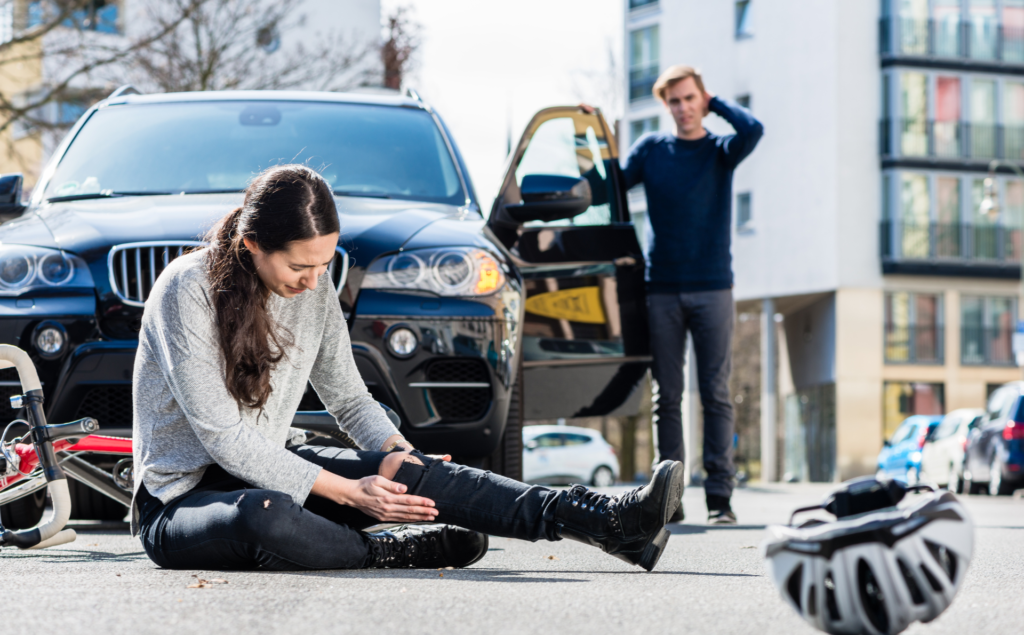
Pedestrian accidents can lead to severe injuries and complex legal situations. Understanding your legal rights as a pedestrian in Ontario is crucial if you are involved in such an accident. This guide will help you navigate the legal landscape and ensure you take the necessary steps to protect your rights and seek compensation.

Right to Safety

As a pedestrian, you have the right to expect a reasonable level of safety while using sidewalks, crosswalks, and other pedestrian pathways. Drivers are legally obligated to exercise caution and yield the right of way to pedestrians in designated areas. If a driver fails to meet this duty of care and causes an accident, they can be held liable for any resulting injuries.

Immediate Actions After an Accident

If you are involved in a pedestrian accident, prioritize your health and safety. Seek medical attention immediately, even if your injuries appear minor. Prompt medical evaluation is crucial for documenting your injuries, which will be important for any legal claims you may pursue.

Collect Evidence

Gathering evidence at the scene of the accident is essential. If possible, take photographs of the accident scene, including the vehicle involved, any visible injuries, and relevant road conditions or traffic signals. Obtain contact information from witnesses who saw the accident, as their statements can support your claim.

Report the Accident

Report the accident to the police, especially if there are injuries or significant property damage. Ensure an official report is filed and request a copy for your records. This report will serve as an important document when dealing with insurance companies and legal proceedings.

Notify Your Insurance Company

Inform your insurance company about the accident as soon as possible. In Ontario, pedestrians involved in accidents are entitled to benefits under the Statutory Accident Benefits Schedule (SABS), regardless of who was at fault. These benefits can cover medical expenses, rehabilitation costs, and income replacement if you are unable to work.

Consult a Personal Injury Lawyer

Seeking legal advice from a personal injury lawyer experienced in pedestrian accident cases is highly recommended. A lawyer can help you understand your rights, gather evidence, and navigate the complex process of filing a claim. They can also negotiate with insurance companies on your behalf to ensure you receive fair compensation.

Fault Determination

In pedestrian accidents, determining fault is crucial. While drivers often bear the primary responsibility, pedestrians can also be found partially at fault if they did not follow traffic laws, such as crossing streets illegally or ignoring traffic signals. However, even if you are partially at fault, you may still be entitled to compensation, although it might be reduced based on your level of fault.

Compensation

As a pedestrian injured in an accident, you may be entitled to various forms of compensation, including medical expenses, rehabilitation costs, lost wages, pain and suffering, and other related expenses. Your lawyer will help assess the full extent of your damages and pursue the appropriate compensation.

Limitation Period

Be aware of the limitation period for filing a personal injury claim in Ontario, which is typically two years from the date of the accident. Failing to file a claim within this period may result in losing your right to seek compensation. Certain exceptions and variations may apply, so it is important to act promptly.

Dealing with Insurance Companies

Insurance companies may attempt to minimize their payouts by disputing the severity of your injuries or your level of fault. Having a lawyer represent you can help counter these tactics and ensure your rights are protected. Your lawyer will handle communications with the insurance companies and advocate for your best interests.

Settlement vs. Litigation

Many pedestrian accident claims are resolved through settlements with the insurance company. However, if a fair settlement cannot be reached, your lawyer may advise taking your case to court. Litigation can be a lengthy process, but it may be necessary to secure the compensation you deserve.
Understanding your legal rights and taking the appropriate steps after a pedestrian accident in Ontario can significantly impact the outcome of your case. Seeking legal counsel, gathering evidence, and promptly filing claims are essential to protecting your rights and achieving a fair resolution.

Legal Guide for Slip and Fall Accidents in Ontario

Legal Guide for Slip and Fall Accidents in Ontario

Slip and fall accidents can result in serious injuries and have significant legal implications. If you have been involved in such an incident in Ontario, it is essential to understand your rights and the steps you need to take to protect them. Here is a comprehensive legal guide for slip and fall accidents in Ontario.

Understanding Liability

In Ontario, property owners have a legal obligation to maintain a safe environment for anyone who enters their premises. This responsibility includes regular maintenance and prompt repair of any hazardous conditions. If a property owner fails to uphold this duty and someone is injured as a result, they can be held liable for the accident.

Immediate Steps to Take

After a slip and fall accident, it is crucial to take certain immediate steps to ensure your safety and protect your legal rights. First, seek medical attention for any injuries, even if they seem minor. Prompt medical evaluation is essential not only for your health but also for documenting your injuries, which is important for any legal claim.

Document the Scene

Gather evidence from the accident scene as soon as possible. Take photographs of the area where you fell, focusing on any hazardous conditions such as wet floors, uneven surfaces, or poor lighting. If there were any witnesses to the accident, obtain their contact information as their testimonies can be valuable in supporting your claim.

Report the Incident

Report the accident to the property owner, manager, or supervisor immediately. Ensure that the incident is documented in an accident report. Request a copy of this report for your records. If the accident occurred in a commercial establishment, there might be specific procedures for reporting and documenting such incidents.

Keep Detailed Records

Maintain a comprehensive record of all expenses and losses related to the accident. This documentation should include medical bills, prescription receipts, travel expenses for medical appointments, and any lost wages due to time off work. Detailed records will be crucial when seeking compensation for your injuries and losses.

Contact a Personal Injury Lawyer

Consulting with a personal injury lawyer experienced in slip and fall cases in Ontario is highly recommended. A lawyer can provide you with expert advice on your legal rights, help you gather evidence, and guide you through the process of filing a claim. They can also negotiate with insurance companies on your behalf to ensure you receive fair compensation.

Understand the Limitation Period

In Ontario, there is a limitation period for filing a personal injury claim, typically two years from the date of the accident. However, certain exceptions and variations may apply depending on the specifics of your case. It is crucial to be aware of these timelines and act promptly to preserve your right to seek compensation.

Potential Compensation

If you are successful in your claim, you may be entitled to various forms of compensation. This can include medical expenses, rehabilitation costs, lost income, pain and suffering, and any other related expenses. Your lawyer will help you determine the appropriate amount of compensation based on the specifics of your case.

Settlement vs. Trial

Many slip and fall cases are settled out of court through negotiations between your lawyer and the property owner’s insurance company. However, if a fair settlement cannot be reached, your case may proceed to trial. Your lawyer will represent you throughout this process, advocating for your rights and interests.
By understanding the legal steps and your rights following a slip and fall accident in Ontario, you can better navigate the complexities of your case and work towards securing the compensation you deserve. Taking prompt and informed action is key to protecting your legal rights and ensuring a fair resolution.

Steps to Take After a Motor Vehicle Accident in Ontario

Steps to Take After a Motor Vehicle Accident in Ontario

Motor vehicle accidents can be overwhelming and stressful, but knowing the right steps to take can help you stay calm and ensure everyone’s safety. Here is a comprehensive guide on what to do after a motor vehicle accident in Ontario.

Ensure Safety First

The immediate priority after an accident is safety. Check if anyone is injured and call 911 if there are serious injuries. If it’s safe to do so, move your vehicle to the side of the road to prevent further collisions. Turn on your hazard lights to alert other drivers.

Call the Authorities

In Ontario, you must report any accident involving injuries, death, or damage exceeding $2,000 to the police. Even if the damage appears minor, it is a good practice to report the accident to ensure proper documentation. The police will create a report that can be crucial for insurance claims.

Exchange Information

Exchange information with the other driver(s) involved in the accident. Collect their name, address, phone number, driver’s license number, license plate number, and insurance details. Also, gather contact information from any witnesses, as their accounts can be helpful later.

Document the Scene

Take photos of the accident scene, including the positions of the vehicles, damage to all vehicles involved, and any relevant road conditions or traffic signs. These photos can provide valuable evidence when dealing with insurance claims or legal matters.

Seek Medical Attention

Even if you feel fine, it’s important to seek medical attention after an accident. Some injuries, such as whiplash or internal injuries, may not be immediately apparent. A medical professional can assess your condition and provide necessary treatment. Keep all medical records and receipts as they may be needed for insurance claims.

Notify Your Insurance Company

Report the accident to your insurance company as soon as possible. Provide them with all the details and documentation you have collected. Be honest and accurate in your report to avoid any complications with your claim. Your insurance provider will guide you through the claims process and inform you of any additional steps you need to take.

Keep a Record

Maintain a detailed record of all expenses related to the accident, including medical bills, repair costs, and any other related expenses. This documentation will be crucial when filing your insurance claim or seeking compensation from the at-fault driver.

Follow Up

Stay in touch with your insurance company and follow up on your claim. Be proactive in providing any additional information they may require. If you face any issues or disputes with your claim, consider seeking legal advice to protect your rights.
By following these steps, you can ensure a smoother process in dealing with the aftermath of a motor vehicle accident in Ontario. Staying organized and informed will help you navigate the challenges and ensure you receive the necessary support and compensation.