
Common Types of Catastrophic Injuries and Their Long-Term Impact
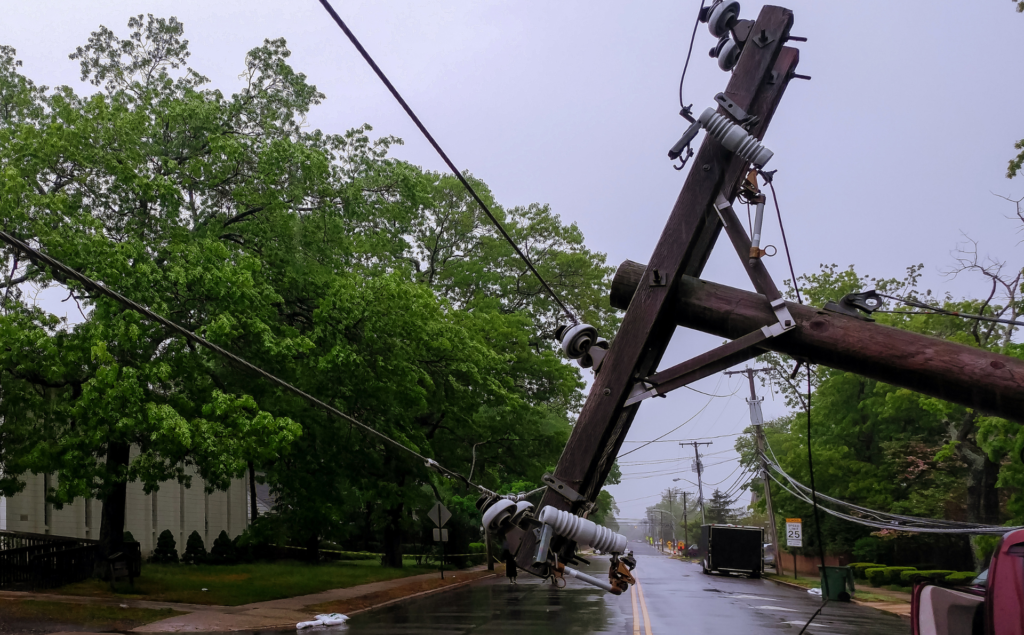
Common Types of Catastrophic Injuries and Their Long-Term Impact

Catastrophic injuries can have devastating effects on individuals and their families, leading to lifelong challenges and changes in quality of life. Understanding the common types of catastrophic injuries and their long-term impacts can help victims and their loved ones prepare for the future. This blog examines several prevalent catastrophic injuries and offers insights into their consequences.

Defining Catastrophic Injuries

Catastrophic injuries are those that result in severe damage to the body, often resulting in permanent disability or impairment. These injuries can occur from various incidents, including car accidents, workplace accidents, or medical malpractice. Examples include spinal cord injuries, traumatic brain injuries, amputations, and severe burns. The severity of these injuries often leads to complex medical treatments and significant lifestyle changes for victims and their families.

Spinal Cord Injuries

Spinal cord injuries (SCIs) are among the most serious catastrophic injuries. They can result in partial or complete paralysis, affecting mobility and sensory function. The impact of SCIs can be profound, requiring extensive rehabilitation and lifelong care. Individuals with spinal cord injuries may need assistive devices, home modifications, and ongoing medical treatment, leading to substantial financial burdens. Understanding the resources available for rehabilitation and support can be crucial for those affected by SCIs.

Traumatic Brain Injuries

Traumatic brain injuries (TBIs) can occur from blows to the head during accidents. The effects of TBIs can range from mild concussions to severe impairments affecting cognitive function, memory, and emotional stability. Long-term consequences may include difficulties with daily activities, challenges in maintaining employment, and ongoing medical care. Early intervention and rehabilitation are essential for maximizing recovery and improving quality of life for individuals with TBIs.

Amputations and Limb Loss

Amputation is a life-altering consequence of catastrophic accidents. The loss of a limb can have physical, emotional, and psychological effects on individuals. Adapting to life with a prosthetic limb, undergoing rehabilitation, and managing chronic pain are common challenges for amputees. Additionally, individuals may face limitations in mobility and require ongoing support for daily activities. Understanding the resources available for rehabilitation and mental health support is essential for those adjusting to life after limb loss.

Severe Burns and Their Consequences

Severe burns can result from various incidents, including fires, explosions, or chemical exposures. The long-term impact of burn injuries can be extensive, requiring multiple surgeries, rehabilitation, and ongoing treatment for pain management and infection prevention. Beyond physical scars, burn victims may also experience emotional trauma and social challenges as they navigate their recovery. Support groups and counseling services can provide valuable resources for individuals coping with the psychological aspects of burn recovery.

Conclusion

Catastrophic injuries can lead to profound changes in the lives of victims and their families. By understanding the common types of catastrophic injuries and their long-term impacts, individuals can better prepare for the challenges ahead. Seeking appropriate medical care, rehabilitation, and emotional support is crucial for navigating the complexities of recovery. With the right resources and a supportive network, those affected by catastrophic injuries can work toward rebuilding their lives and finding new paths forward.

Navigating the Legal Complexities of Catastrophic Accidents

Navigating the Legal Complexities of Catastrophic Accidents

Catastrophic accidents can profoundly affect victims and their families, leading to severe injuries, significant medical expenses, and a long road to recovery. Understanding the legal landscape surrounding these accidents is crucial for securing the compensation needed to manage the aftermath. This blog explores the legal complexities associated with catastrophic accidents and outlines the steps victims should take to protect their rights.

Understanding Catastrophic Accidents

Catastrophic accidents refer to incidents that result in severe injuries, often leading to long-term or permanent disabilities. These can include serious car accidents, workplace injuries, or accidents involving heavy machinery. Such injuries often require extensive medical treatment, rehabilitation, and may necessitate lifelong care. Because of the serious nature of these injuries, navigating the legal system becomes essential for victims seeking compensation to cover medical costs, lost wages, and pain and suffering.

The Importance of Legal Representation

After a catastrophic accident, securing legal representation is crucial. Personal injury lawyers who specialize in catastrophic cases have the expertise to navigate the complexities of the legal system. They understand the nuances of liability, insurance claims, and the challenges that often arise in catastrophic injury cases. A skilled attorney can evaluate the specifics of your case, advise you on your rights, and work to maximize your compensation. Having an experienced advocate by your side can significantly impact the outcome of your case.

Establishing Liability

One of the critical aspects of any legal case involving a catastrophic accident is establishing liability. This involves proving that another party’s negligence or wrongful actions caused the accident and subsequent injuries. Evidence is vital in this process, including accident reports, witness statements, and expert testimonies. Your lawyer will gather and analyze all relevant evidence to build a compelling case that demonstrates liability. Understanding the legal standards for proving negligence is essential, as it determines how compensation is awarded.

Understanding Compensation and Damages

Victims of catastrophic accidents may be entitled to various forms of compensation. This can include economic damages, such as medical expenses and lost wages, as well as non-economic damages for pain and suffering, emotional distress, and loss of enjoyment of life. In some cases, punitive damages may also be awarded if the responsible party’s conduct was particularly egregious. Knowing the different types of compensation available can help victims and their families understand what they can pursue in their legal claims.

The Role of Insurance Companies

Insurance companies play a significant role in the aftermath of a catastrophic accident. While they may seem helpful, their primary goal is often to minimize payouts. Understanding the tactics insurers use can empower victims during negotiations. It is essential to avoid discussing details of the accident with insurance adjusters without legal representation, as they may use this information against you. Your attorney will handle all communications with insurance companies, ensuring that your rights are protected and that you receive fair compensation for your injuries.

Conclusion

Navigating the legal complexities following a catastrophic accident can be daunting, but understanding your rights and the legal process can significantly impact your recovery. By seeking experienced legal representation, establishing liability, and understanding the types of compensation available, victims can take essential steps toward securing the financial support they need. Being informed and prepared will empower you to face the challenges that lie ahead and ensure your rights are protected throughout the process.

The Importance of Evidence in Pedestrian Accident Claims

The Importance of Evidence in Pedestrian Accident Claims

In the aftermath of a pedestrian accident, gathering evidence is critical for establishing liability and securing compensation. This blog examines the various types of evidence that can strengthen a pedestrian’s case and outlines the steps to take to ensure that vital information is collected.

Types of Evidence Essential for Claims

Various forms of evidence can support a pedestrian accident claim. This includes witness statements, photographs of the accident scene, medical records, and police reports. Each type of evidence plays a distinct role in establishing the facts of the case. Witnesses can provide firsthand accounts of the incident, while photographs can visually capture the scene and provide context. Medical records detail the injuries sustained and the treatment received, and police reports offer an official record of the incident and any citations issued to the driver involved. Collecting this evidence promptly can significantly influence the outcome of a claim.

The Role of Witnesses

Witnesses can provide valuable testimonies regarding the circumstances of the accident. Gathering contact information from witnesses at the scene is crucial; their statements can corroborate your account of the event. If possible, ask witnesses if they would be willing to provide a written statement detailing what they observed. These accounts can be instrumental in reinforcing your claim and establishing the driver’s liability in the accident.

Documenting the Accident Scene

Taking photographs of the accident scene is crucial for any pedestrian involved in a collision. Ensure that you capture images from multiple angles, focusing on the positions of vehicles, any traffic signs, and road conditions. Photographing your injuries can also provide visual evidence of the impact of the accident. Additionally, note any relevant details, such as weather conditions or visibility, which could play a role in establishing liability. This documentation can provide critical context for the incident and bolster your case when dealing with insurance companies or legal proceedings.

Medical Documentation and Treatment Records

Obtaining medical records and documenting treatment is essential for establishing the extent of injuries and the impact on daily life. After the accident, seek medical attention for a thorough evaluation, even if you believe your injuries are minor. Medical professionals can identify underlying issues that may not be immediately apparent. Keep all records related to your injuries, including doctor’s notes, treatment plans, and bills. These documents will be key in demonstrating the damages sustained in the accident and the expenses incurred as a result.

Legal Guidance in Collecting Evidence

Navigating the evidence-gathering process can be complex, and seeking legal guidance can be invaluable. A personal injury lawyer can help ensure that all relevant evidence is collected and properly presented. They can advise you on the specific types of evidence that may be most impactful for your case, assist with obtaining necessary documents, and guide you through the process of negotiating with insurance companies. With legal support, you can focus on your recovery while knowing that your case is in capable hands.

Conclusion

Gathering evidence after a pedestrian accident is crucial for establishing liability and pursuing compensation. By understanding the types of evidence that can strengthen a claim and taking proactive steps to collect this information, pedestrians can protect their rights and increase their chances of receiving fair compensation for their injuries. Working with legal professionals can further enhance the effectiveness of this process, ensuring that all necessary evidence is presented effectively and that the victim’s interests are represented throughout the legal proceedings.

Common Causes of Pedestrian Accidents and Safety Tips

Common Causes of Pedestrian Accidents and Safety Tips

Pedestrian accidents are a significant concern in urban areas, often leading to serious injuries or fatalities. Understanding the common causes of these accidents and implementing safety measures can help reduce the risk for pedestrians. This blog highlights the primary factors contributing to pedestrian accidents and offers practical tips for staying safe on the streets.

Top Causes of Pedestrian Accidents

Pedestrian accidents can occur for various reasons, many of which are preventable. Common causes include distracted driving, where drivers fail to pay attention to their surroundings due to mobile phones, navigation systems, or even conversations with passengers. Speeding is another major factor, as it reduces a driver’s ability to react quickly to pedestrians, especially in crowded urban environments. Additionally, drivers may fail to yield the right of way to pedestrians at crosswalks, often resulting in dangerous collisions. Poor road conditions, such as inadequate lighting, obstructed sidewalks, or a lack of pedestrian signage, further contribute to accidents, making it crucial for both pedestrians and drivers to stay vigilant.

The Role of Distracted Driving

Distracted driving is one of the leading causes of pedestrian accidents, accounting for a significant percentage of incidents each year. When drivers engage in distracting behaviors—such as texting, making phone calls, or eating—they are less likely to notice pedestrians in their path. Education and awareness campaigns aimed at reducing distracted driving can help change driver behavior and improve safety for pedestrians. Encouraging drivers to remain focused and attentive while behind the wheel is a shared responsibility that can help protect vulnerable road users.

Poor Infrastructure and Road Conditions

Infrastructure plays a significant role in pedestrian safety. Poorly maintained sidewalks, inadequate crosswalks, and lack of signage can create hazardous situations for pedestrians. Urban planning that prioritizes pedestrian-friendly infrastructure—such as well-lit crosswalks, speed bumps, and pedestrian-only zones—can significantly reduce accidents. Advocating for better urban planning and infrastructure improvements can lead to safer environments for all road users, emphasizing the need for municipalities to invest in pedestrian safety initiatives.

Safety Tips for Pedestrians

Pedestrians can take several proactive steps to enhance their safety while navigating busy streets. Always use marked crosswalks and wait for traffic signals when available. Make eye contact with drivers before crossing to ensure they see you, and avoid wearing headphones or engaging in activities that can distract you while walking. When walking at night, wear bright or reflective clothing to increase visibility. Staying alert and aware of your surroundings, especially in busy or unfamiliar areas, can significantly reduce the risk of accidents.

Educating the Community

Community education is crucial for preventing pedestrian accidents. Awareness campaigns that educate both drivers and pedestrians about safe practices can foster a culture of respect and caution on the roads. Local governments can organize workshops, distribute informational materials, and engage in school programs to teach children about pedestrian safety. Creating a community-wide dialogue about safety can lead to lasting changes in behavior and attitudes toward road safety.

Conclusion

By understanding the common causes of pedestrian accidents and implementing safety measures, both pedestrians and drivers can contribute to a safer environment. Awareness and education are key in reducing accidents and ensuring that pedestrians can navigate their communities with confidence. Promoting a culture of safety and responsibility on the roads can lead to fewer accidents and safer streets for everyone.

Understanding Your Rights as a Pedestrian After an Accident

Understanding Your Rights as a Pedestrian After an Accident

Pedestrians have specific rights designed to protect them when using roadways. However, after an accident, many are left feeling confused and unsure about what to do next. This blog outlines the essential rights pedestrians have after an accident and the actions they should take to ensure they receive the support and compensation they deserve.

Understanding Pedestrian Rights in Ontario

In Ontario, the law is designed to protect pedestrians, acknowledging their vulnerability on the road. Pedestrians have the right to safe passage across roadways and have the right of way in marked crosswalks. This means that drivers are legally obligated to yield to pedestrians in these areas. Furthermore, pedestrians are entitled to be free from negligence by drivers, who must exercise reasonable care to avoid causing harm. Understanding these rights is crucial, as it empowers pedestrians to advocate for themselves after an accident and to hold drivers accountable for any violations.

Immediate Steps to Take After an Accident

If you are involved in a pedestrian accident, your immediate actions are vital. First and foremost, ensure your safety by moving out of harm’s way if you can do so safely. Call 911 for medical assistance if anyone is injured. After addressing any immediate safety concerns, report the incident to the police. They will create an official report, which can be essential for any future legal proceedings. Document the scene thoroughly: take photographs of the area, vehicles involved, and any visible injuries. Gathering contact information from witnesses can also bolster your case later on.

Filing an Insurance Claim

After ensuring safety and reporting the accident, it’s time to consider your insurance options. Pedestrians injured in accidents have the right to file claims with the at-fault driver’s insurance company for damages incurred, including medical expenses, lost wages, and pain and suffering. It’s crucial to notify your own insurance provider as well, as they may provide coverage for medical expenses and other costs related to the accident, regardless of fault. Documenting all communications with insurance companies, including the details of conversations and correspondence, can help avoid disputes and ensure that your claims are processed efficiently.

Legal Representation and Support

Navigating the legal landscape after an accident can be overwhelming, especially for those unfamiliar with personal injury law. Seeking legal advice from a personal injury lawyer who specializes in pedestrian accidents can provide valuable support. An experienced lawyer will guide you through the process, help you understand your rights, and ensure you are fairly compensated for your injuries and damages. They can also negotiate with insurance companies on your behalf, fighting for a settlement that reflects the true cost of your injuries and suffering.

What to Expect During the Legal Process

The legal process following a pedestrian accident can seem daunting, but understanding what to expect can alleviate some concerns. Initially, your lawyer will investigate the circumstances surrounding the accident, gather evidence, and assess the damages. If a fair settlement cannot be reached through negotiation, your case may proceed to court. In this instance, your lawyer will present your case to a judge or jury, highlighting the evidence of negligence and the impact of your injuries. Throughout this process, staying informed and maintaining open communication with your legal team is essential to ensure you understand each step.

Conclusion

Pedestrian accidents can have significant physical, emotional, and financial impacts on victims. By understanding your rights as a pedestrian and taking the necessary steps following an accident, you can navigate the process more effectively. Remember, seeking legal assistance can be instrumental in ensuring that your rights are protected and that you receive the compensation you deserve. With the right knowledge and support, you can manage the aftermath of an accident and begin your journey toward recovery.

Common Injuries in Bicycle Accidents and Tips for Recovery
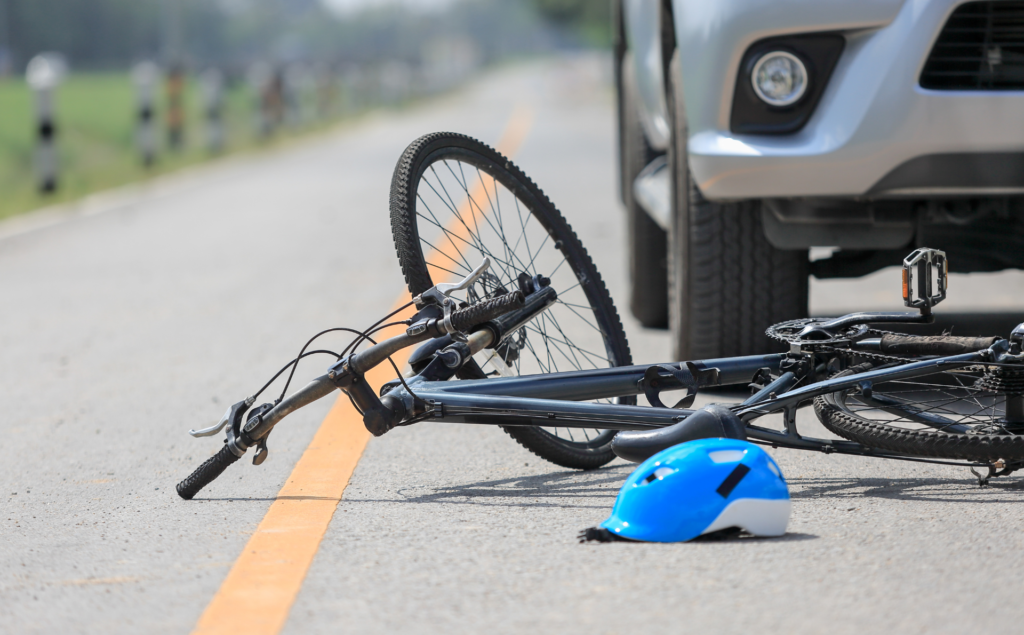
Common Injuries in Bicycle Accidents and Tips for Recovery

Bicycle accidents can occur unexpectedly, leading to injuries that range from minor to severe. Understanding the common types of injuries cyclists may face and knowing how to recover effectively is vital for promoting healing and returning to cycling safely. This guide explores prevalent injuries sustained in bicycle accidents and provides practical tips for recovery.

Understanding Common Injuries from Bicycle Accidents

Bicycle accidents often result in a variety of injuries, with severity influenced by the nature of the crash and the cyclist’s protective gear. Among the most common injuries are head injuries, including concussions and traumatic brain injuries (TBIs), which can occur even with a helmet. Fractures are also prevalent, particularly in the arms, wrists, and collarbones, as cyclists instinctively extend their arms to protect themselves during a fall.

Soft tissue injuries, such as road rash and bruises, frequently occur when a cyclist makes contact with the ground or another object. Additionally, knee and ankle injuries, including sprains and ligament tears, can happen due to the impact of a fall or improper bike handling. In more severe cases, cyclists may suffer spinal injuries that can lead to long-term complications.

Recognizing the Importance of Immediate Medical Attention

Regardless of the perceived severity of injuries, seeking immediate medical attention after a bicycle accident is crucial. Many injuries, such as concussions or fractures, may not be immediately apparent. A medical professional can conduct a thorough evaluation, identify hidden injuries, and provide an appropriate treatment plan. Following their advice and attending all follow-up appointments can ensure a smoother recovery process.

Implementing Effective Rest and Recovery Strategies

Recovery from a bicycle accident often requires significant rest, especially for those with fractures or soft tissue injuries. It is essential to avoid activities that may worsen injuries and to listen to your body’s signals. Establishing a comfortable and supportive recovery environment can promote healing. Incorporating gentle movement and stretching, as advised by a healthcare professional, can aid in regaining strength and flexibility without risking further injury.

The Role of Physical Therapy in Rehabilitation

For many cyclists recovering from injuries, physical therapy can play a vital role in rehabilitation. A qualified physical therapist can design a personalized program that focuses on restoring strength, improving flexibility, and enhancing coordination. Engaging in structured rehabilitation can help cyclists regain their pre-accident physical condition, making the transition back to cycling safer and more manageable.

Addressing Mental Health Following an Accident

The psychological impact of a bicycle accident should not be overlooked. Many individuals experience anxiety, depression, or post-traumatic stress following such incidents. It is essential to acknowledge these feelings and consider seeking support from mental health professionals if needed. Talking about the experience with friends, family, or a therapist can provide relief and help individuals process their emotions.

Conclusion

Bicycle accidents can lead to various injuries, from head trauma to fractures and soft tissue damage. By understanding these common injuries and implementing effective recovery strategies, cyclists can facilitate their healing process and regain confidence in their abilities. Prioritizing medical attention, practicing proper wound care, engaging in physical therapy, and addressing mental health are essential steps in recovering from an accident. With knowledge and support, cyclists can navigate the road to recovery and return to the joys of cycling safely.

Understanding Liability in Bicycle Accidents
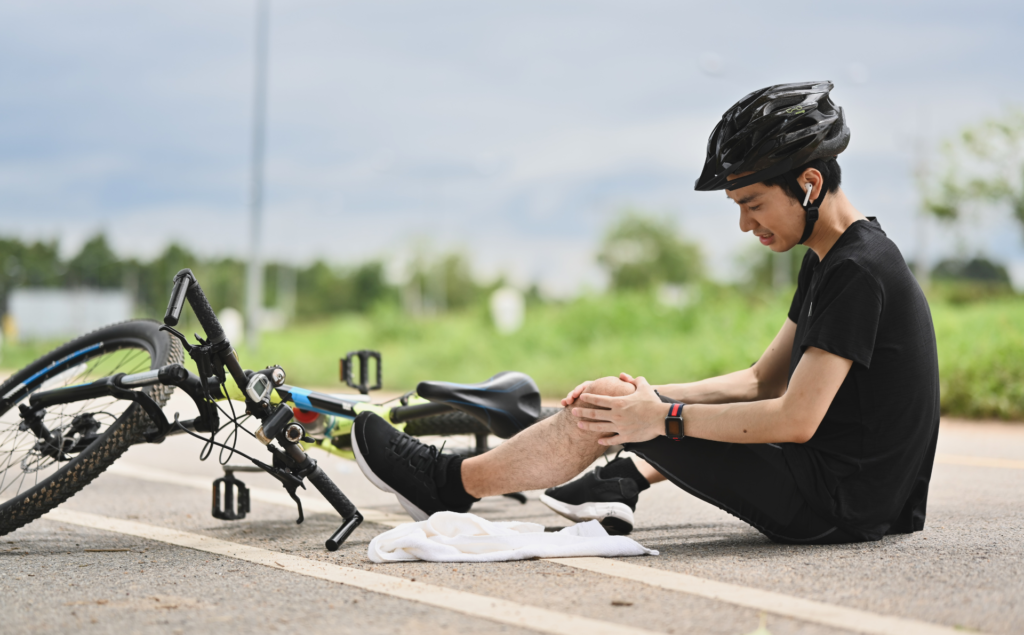
Understanding Liability in Bicycle Accidents

Bicycle accidents can lead to serious injuries and significant financial burdens, making it crucial for cyclists to understand the concept of liability. Liability refers to the legal responsibility one party holds for causing harm or injury to another. In the context of a bicycle accident, establishing liability is essential for injured cyclists seeking compensation for their losses. This guide delves into the complexities of liability in bicycle accidents, outlining the common causes, how fault is determined, and the importance of seeking legal assistance.

Common Causes of Bicycle Accidents

Bicycle accidents often arise from various circumstances that contribute to a cyclist’s injuries. One of the most frequent causes is collisions with motor vehicles. In these scenarios, drivers may be held liable for negligent actions such as failing to yield, running red lights, or engaging in distracted driving. Additionally, poor road conditions can create hazards for cyclists, including potholes, debris, or poorly maintained bike lanes. If a municipality or government entity neglects to maintain safe roadways, they may also bear liability for any resulting accidents. Cyclists themselves can contribute to accidents through negligent behavior, such as riding without proper lighting at night or ignoring traffic signals.

Determining Fault in Bicycle Accidents

Establishing liability in a bicycle accident involves assessing who was at fault and to what degree. Ontario operates under a comparative negligence system, allowing for multiple parties to share responsibility for an accident. For example, if a cyclist is determined to be 30% at fault for an accident while a driver is 70% at fault, any compensation awarded to the cyclist would be reduced by their percentage of fault. To establish liability, injured cyclists must typically demonstrate several elements: first, that the at-fault party owed a duty of care, meaning they were required to follow traffic laws and drive safely. Next, it must be shown that the at-fault party breached this duty, leading to the accident. Evidence such as witness statements, traffic camera footage, or police reports can support this claim.

The Role of Insurance in Bicycle Accident Claims

Following a bicycle accident, it is vital to report the incident to your insurance provider as soon as possible. In Ontario, cyclists may be covered under their auto insurance policy or the policy of the at-fault driver. Furthermore, cyclists may have access to accident benefits regardless of fault, which can help cover medical expenses and rehabilitation costs. If the accident involves a motor vehicle, obtaining the driver’s insurance information and details from witnesses is crucial. This information will be necessary when filing a claim and pursuing compensation for damages.

The Impact of Comparative Negligence

In Ontario, the principle of comparative negligence plays a significant role in determining the outcome of bicycle accident claims. This legal framework allows for the apportionment of fault between all parties involved in an accident. For instance, if both a cyclist and a driver are found to have contributed to an accident, each party’s degree of fault will impact the compensation awarded. Understanding how comparative negligence works can help cyclists prepare for potential discussions with insurance companies and ensure they receive fair treatment throughout the claims process.

Seeking Legal Assistance

Navigating the complexities of liability in bicycle accidents can be challenging, particularly when multiple parties are involved. If you sustain injuries in a bicycle accident, consulting with a personal injury lawyer experienced in handling such cases can provide essential guidance. A lawyer can assist you in navigating the claims process, gathering evidence to support your case, negotiating with insurance companies, and advocating for fair compensation on your behalf.

Conclusion

Understanding liability in bicycle accidents is fundamental for cyclists seeking to protect their rights and pursue compensation for their injuries. By recognizing the common causes of accidents and the factors involved in establishing fault, cyclists can better navigate the aftermath of an accident. In situations where injuries are sustained, seeking legal assistance is vital to ensuring that you receive the compensation you deserve. Empowering yourself with knowledge about liability and the steps to take following an accident can help you manage the challenges that arise from such unfortunate events.

Essential Steps to Take After a Bicycle Accident: Protecting Your Rights

Essential Steps to Take After a Bicycle Accident: Protecting Your Rights

Bicycle accidents can be distressing and life-altering events, leading to injuries, emotional trauma, and financial burden. Knowing the essential steps to take after a bicycle accident is crucial for protecting your rights and ensuring you receive the support you need. This guide outlines the key actions you should follow to navigate the aftermath of a bicycle accident effectively.

Ensure Your Safety and Seek Medical Attention

The immediate priority after a bicycle accident is to ensure your safety and well-being. If you are able to do so, move yourself and your bicycle to a safe location away from traffic. Check for injuries, and if you or anyone else is injured, call 911 for emergency medical assistance right away. Even if you believe your injuries are minor, it is wise to seek medical attention promptly, as some injuries may not be immediately apparent. Getting a thorough medical evaluation creates an official record of your injuries, which is essential if you decide to pursue a claim later.

Document the Scene of the Accident

Once you are safe and have received medical assistance, it is crucial to document the accident scene thoroughly. Take photographs of the area where the accident occurred, including the road conditions, traffic signals, any involved vehicles, and your bicycle. These images serve as important evidence when establishing the circumstances of the accident. Additionally, gather contact information from witnesses who may have seen the incident. Their testimonies could provide valuable support for your case.

Report the Accident to the Authorities

In Ontario, you are required to report a bicycle accident to the police if there are injuries, significant property damage, or if a motor vehicle is involved. When the police arrive, provide them with a clear account of what happened without admitting fault. Request a copy of the police report once it is available, as this document will be critical for your insurance claim and any potential legal action.

Notify Your Insurance Provider

After ensuring your safety and reporting the accident, the next step is to contact your insurance provider. If you have insurance coverage, it is important to notify them about the accident as soon as possible—ideally within seven days. When communicating with your insurer, provide them with all relevant details, including the police report and any documentation of your injuries. If you do not have insurance coverage, you may still be able to seek compensation through the at-fault party’s insurance.

Keep Records of Your Injuries and Expenses

Maintaining detailed records of your injuries and related expenses is vital for supporting your claim. Keep all medical records, bills, and receipts associated with your treatment and recovery. Document your symptoms, appointments, and any impact the accident has had on your daily life, including missed work and changes in your activities. This comprehensive documentation will help establish the extent of your injuries and the financial burden caused by the accident.

Conclusion

Experiencing a bicycle accident can be overwhelming, but taking the right steps afterward can significantly impact your recovery process and legal rights. By prioritizing safety, documenting the scene, reporting the accident, and maintaining thorough records, you can effectively protect your rights. Seeking legal assistance can further ensure that you receive the compensation you deserve for your injuries and losses. Staying informed and proactive empowers you to navigate the aftermath of a bicycle accident with confidence and clarity.

Understanding Your Legal Rights After a Slip and Fall Accident

Understanding Your Legal Rights After a Slip and Fall Accident

Slip and fall accidents can lead to unexpected medical costs, lost wages, and physical suffering. In Ontario, knowing your legal rights after such an incident is essential for seeking fair compensation and navigating the process effectively. This guide explores the rights available to individuals involved in slip and fall accidents, from the right to claim compensation to understanding property owner obligations.

Your Right to Safe Premises

In Ontario, property owners have a legal duty to ensure that their premises are safe for visitors. This responsibility, known as the “duty of care,” requires property owners to inspect their premises, address hazards promptly, and provide warnings about any potential dangers. Whether the property is a store, residential complex, or public facility, the Occupiers’ Liability Act mandates that owners and occupiers must take reasonable steps to prevent injuries. When this duty is breached, and an accident occurs as a result, you may be entitled to hold the property owner responsible for your injuries.

Your Right to File a Claim for Compensation

If you are injured in a slip and fall accident due to someone else’s negligence, you have the right to file a claim for compensation. Compensation can cover medical expenses, lost wages, and pain and suffering associated with the accident. Documenting your injuries and related costs is essential, as it provides the evidence needed to support your claim. By maintaining accurate records of medical bills, rehabilitation costs, and time lost from work, you strengthen your case for fair compensation.

Understanding Comparative Fault

In some cases, both the injured person and the property owner may share responsibility for the accident. This concept, known as comparative fault, considers whether your actions contributed to the incident. For instance, if you ignored warning signs or were distracted, you might be found partially at fault. However, this does not eliminate your right to compensation—it may only reduce the amount awarded. In Ontario, compensation is adjusted based on the degree of fault, meaning you can still pursue a claim even if you were partially responsible for the accident.

Your Right to Legal Representation

Navigating a slip and fall claim can be complex, particularly if the property owner or their insurer disputes liability. In such cases, you have the right to seek legal representation from a personal injury lawyer. A lawyer can help gather the evidence needed to support your claim, such as witness statements, maintenance records, and surveillance footage. They can also negotiate with insurers on your behalf to secure fair compensation. Legal representation can provide the support and guidance needed to protect your rights effectively.

Your Right to Challenge Fault Determination

Insurance companies and property owners may attempt to assign fault or minimize the compensation you are entitled to. If you disagree with their assessment of fault or compensation, you have the right to challenge these determinations. Providing additional evidence, such as photographs of the scene, medical records, or expert testimony, can support your position. Knowing your right to contest fault determination ensures that you aren’t unjustly held responsible and that you receive the compensation you deserve.

Conclusion

Understanding your legal rights after a slip and fall accident in Ontario can empower you to make informed decisions, protect your interests, and secure fair compensation. Your rights include safe premises, the ability to file a claim, and access to legal support if needed. By asserting these rights and gathering the necessary documentation, you can confidently handle the aftermath of a slip and fall accident and ensure that your voice is heard in the compensation process.

Common Causes of Slip and Fall Accidents and How to Prove Liability​

Common Causes of Slip and Fall Accidents and How to Prove Liability

Slip and fall accidents are among the most common types of personal injury incidents in Ontario, and they can lead to serious physical, financial, and emotional consequences. Understanding the common causes of slip and fall accidents and how to establish liability is essential for anyone seeking to hold a property owner responsible for injuries. This guide examines typical causes of these accidents and the steps required to prove liability.

Proving Liability in Slip and Fall Cases

In Ontario, proving liability for a slip and fall accident begins with demonstrating that the property owner or occupier owed a duty of care. Under the Occupiers’ Liability Act, property owners must maintain their premises in a safe condition. This duty of care applies to anyone legally on the property, including customers, tenants, and visitors. Once this duty is established, you can proceed to show how it was breached.

Demonstrating Breach of Duty

To prove liability, it’s essential to show that the property owner breached their duty of care by failing to address a hazard that led to the accident. For example, if there was a spill that wasn’t cleaned up or ice that wasn’t salted, the property owner’s inaction can be seen as negligence. Evidence such as maintenance logs, witness statements, and photos of the scene can support your claim by demonstrating that the hazard was not properly managed.

Proving the Hazard Caused the Accident

Causation is another critical element in a slip and fall case. You must show that the specific hazard—such as a wet floor or a loose carpet—directly caused your accident and resulting injuries. Photographs of the scene, along with any witness accounts, can help establish a direct link between the hazard and your fall. Medical records and documentation of your injuries further substantiate the claim.

Gathering Evidence to Support the Claim

Evidence is key in proving liability. After a slip and fall accident, gather as much documentation as possible, including photos of the hazard, witness contact information, and any incident reports created by the property owner. Medical records that detail your injuries and recovery process will also strengthen your claim. Evidence from security footage, if available, can provide valuable insights into how long the hazard existed before your fall.

Consulting a Personal Injury Lawyer

Proving liability in a slip and fall case can be complex, especially if the property owner or their insurer disputes your claim. Consulting with a personal injury lawyer can be highly beneficial. An experienced lawyer can help gather additional evidence, negotiate with insurance companies, and advocate on your behalf. A lawyer’s expertise ensures that your rights are protected and that you have the best chance of receiving fair compensation.

Conclusion

Slip and fall accidents in Ontario are often caused by preventable hazards, from wet floors and poor lighting to ice and cluttered walkways. Knowing the common causes and steps for proving liability can help you protect your rights after an accident. By gathering evidence, demonstrating a breach of duty, and consulting a personal injury lawyer when necessary, you can build a strong case to seek the compensation you deserve. Understanding these steps empowers you to navigate the legal process confidently and ensures that property owners are held accountable for maintaining safe environments.