
Recognizing and Managing Soft Tissue Injuries After an Accident

Recognizing and Managing Soft Tissue Injuries After an Accident

Soft tissue injuries are some of the most common injuries people experience after an accident, and they can have lasting impacts if not properly managed. Understanding these injuries and knowing how to treat them is essential to promoting effective recovery and reducing the risk of chronic pain.

Identifying Common Types of Soft Tissue Injuries

Soft tissue injuries typically involve muscles, ligaments, and tendons. Common types include sprains, strains, contusions, and whiplash. Sprains often affect ligaments in areas like the wrists, ankles, or knees, while strains impact muscles or tendons, usually in the back, shoulders, or legs. Whiplash is a frequent neck injury resulting from sudden jerking movements, commonly seen in car accidents. Recognizing these injuries early on is key to seeking timely treatment.

Symptoms and Warning Signs to Watch For

The symptoms of soft tissue injuries can vary widely. They often include pain, swelling, bruising, stiffness, and limited range of motion in the affected area. In some cases, these symptoms may not appear immediately and can develop over days or even weeks. Ignoring early warning signs or delaying medical evaluation can lead to complications and increase the likelihood of prolonged pain or reinjury.

The Importance of Prompt Medical Attention

After an accident, many people underestimate the severity of soft tissue injuries, assuming they will heal on their own. However, soft tissue injuries require prompt medical attention, especially if pain persists or worsens. Physicians can assess the damage, often through imaging, and recommend a treatment plan that may include rest, physical therapy, or even medication for pain management.

When to Consider Legal Assistance for Your Injury

In cases where soft tissue injuries are caused by an accident, such as a car collision or slip and fall, seeking legal assistance can be beneficial, especially if the injury impacts your ability to work or perform daily activities. A personal injury lawyer can help you understand your rights and work towards obtaining compensation to cover medical expenses, lost wages, and other costs associated with recovery.

Effective Treatment Options for Soft Tissue Injuries

Treatment for soft tissue injuries typically involves rest, ice, compression, and elevation (R.I.C.E.) in the initial stages to reduce inflammation and promote healing. Depending on the injury’s severity, physical therapy may be recommended to restore strength and flexibility. Some patients may also benefit from treatments like massage, acupuncture, or chiropractic care, which can help alleviate discomfort and improve function.

Conclusion

Soft tissue injuries should not be taken lightly, as they can lead to prolonged discomfort and impact quality of life. By recognizing symptoms, seeking prompt medical treatment, and exploring effective recovery options, individuals can manage these injuries more effectively. If the injury is accident-related, consulting a lawyer can ensure fair compensation, helping you focus on healing and returning to your daily routine.

Steps to Take if You Are Injured in a Public Transit Accident
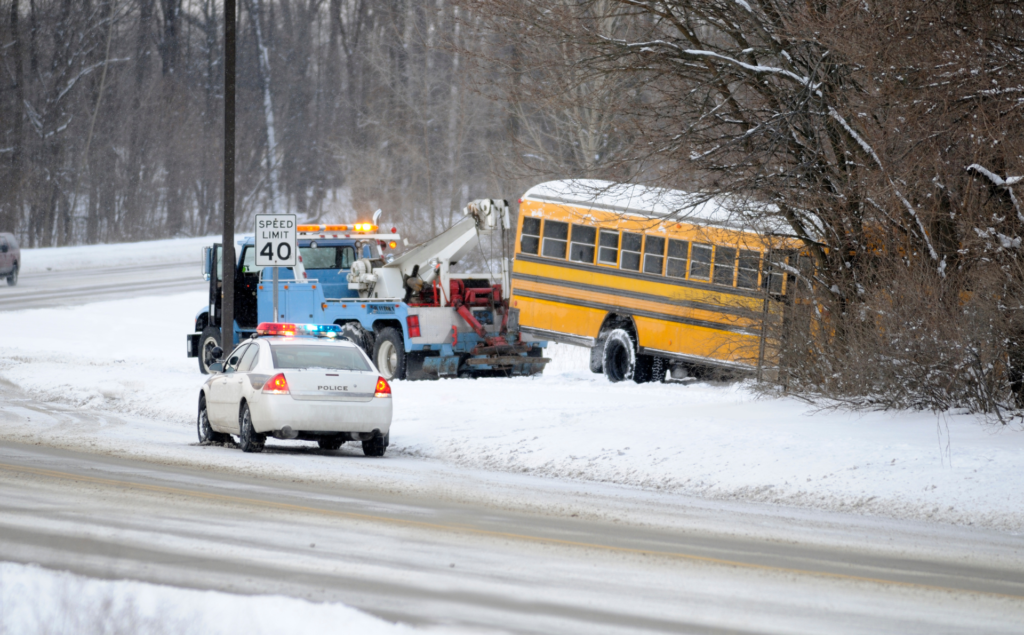
Steps to Take if You Are Injured in a Public Transit Accident

Being involved in a public transit accident can be confusing and overwhelming. Knowing the steps to take if you are injured can help you manage the situation and ensure your rights are protected. This blog outlines essential actions to take after sustaining an injury on public transit.

Seek Medical Attention Immediately

Your health is the top priority after any injury. Even if your injuries seem minor, it’s important to get checked by a medical professional. Some injuries may not be immediately apparent but could worsen over time. Seeking prompt medical attention creates a medical record, which is crucial if you decide to file a claim.

Document the Accident Scene and Your Injuries

If you can, take photos of the accident scene, the transit vehicle, and any visible injuries. Documenting the scene can provide valuable evidence if you pursue a legal claim. Also, note the time, date, location, and details of the accident, as this information may be useful for both your medical providers and legal representation.

Report the Accident to Transit Authorities

Inform the transit authority or driver of the accident as soon as possible. Reporting ensures that the incident is officially recorded, which is necessary for any insurance or injury claim you may need to file. Most public transit systems have an accident report form you can fill out, so ask for a copy if it’s available.

Collect Contact Information from Witnesses

If other passengers or bystanders witnessed the accident, try to get their contact information. Witness statements can support your version of events and strengthen your case if you seek compensation. Witnesses may provide crucial details that validate your account of the accident, enhancing the credibility of your claim.

Consult a Personal Injury Lawyer

Public transit accident cases can be complex, often involving multiple parties, such as the transit company, insurance companies, and government entities. Consulting with a personal injury lawyer ensures that you understand your rights and have someone advocating for your interests. A lawyer can help you navigate the claims process and fight for the compensation you deserve.

Conclusion

Knowing the steps to take after a public transit accident is crucial for protecting your health and your rights. By seeking medical attention, documenting the accident, reporting it to the authorities, gathering witness information, and consulting a lawyer, you can manage the aftermath effectively and ensure you have the best possible support for your recovery and compensation.

Common Causes of Public Transit Accidents and How to Stay Safe
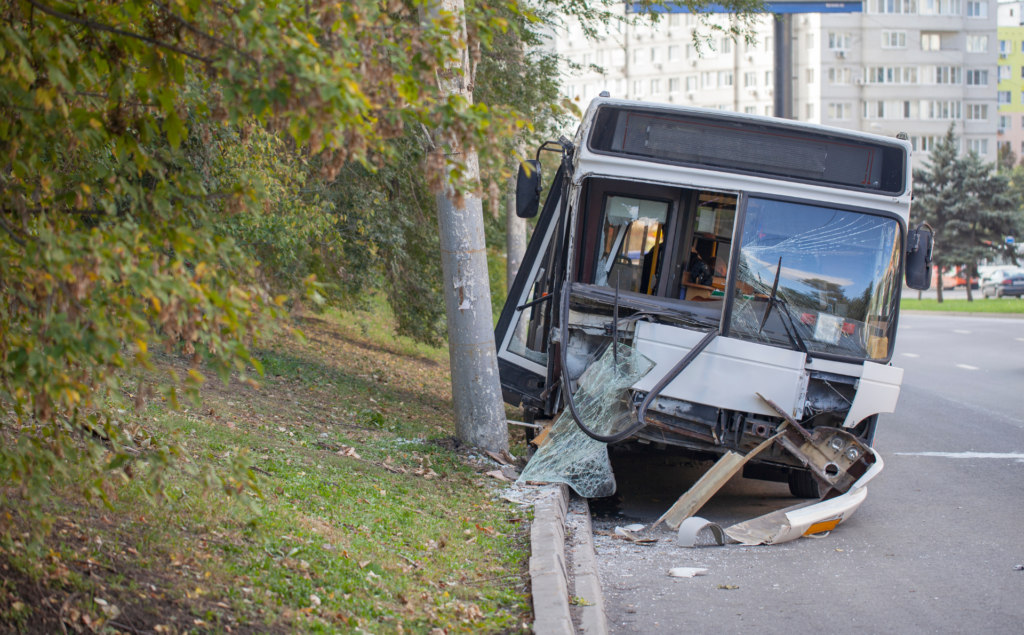
Common Causes of Public Transit Accidents and How to Stay Safe

Public transit accidents can occur for various reasons, many of which are preventable. Understanding the common causes of these accidents and learning how to stay safe while using public transit can reduce your risk of injury. Here, we explore the factors behind transit accidents and offer safety tips for passengers.

Driver Error or Fatigue

One of the leading causes of public transit accidents is driver error, which can include distractions, speeding, or misjudgment. Fatigue is another factor, especially for drivers working long hours or irregular shifts. Being aware of driver behavior, such as erratic driving or sudden stops, can help you stay alert and prepared to hold on to secure points within the vehicle.

Mechanical Failures and Lack of Maintenance

Poorly maintained vehicles are more prone to breakdowns or malfunctioning parts, such as brakes or steering systems. Mechanical failures often lead to sudden and unexpected stops or collisions. Choosing well-maintained transit systems and observing whether the vehicle appears well-kept can contribute to your safety.

Inadequate Infrastructure or Road Conditions

Issues such as poorly designed routes, inadequate signage, and damaged roads can increase the risk of accidents. Public transit operators may struggle to maneuver large vehicles on narrow or potholed roads. Avoiding standing too close to the front or back sections of the vehicle, where impacts are often most severe, can help reduce injury risks in case of an accident.

Weather-Related Hazards

Rain, snow, and ice create challenging conditions for drivers, making public transit vehicles more susceptible to skidding, reduced visibility, and difficult braking. During adverse weather, being extra cautious, holding onto secure points, and avoiding standing positions near exits can help protect you in the event of a sudden stop or impact.

Passenger Behavior and Overcrowding

Passenger actions, like sudden movements, distracting the driver, or overcrowding, can impact the safety of a public transit journey. Overcrowded vehicles are more challenging to control, and passengers are more likely to lose balance and fall. Avoid crowding near doors or standing in walkways to allow space for safe movement within the vehicle.

Conclusion

While some factors in public transit accidents are beyond passenger control, understanding common causes and taking precautions can help you stay safer. By remaining vigilant about driver behavior, choosing well-maintained transit options, being cautious in adverse weather, and avoiding overcrowded areas, you can reduce your risk of injury and enjoy a safer public transit experience.

Understanding Your Rights After a Public Transit Accident

Understanding Your Rights After a Public Transit Accident

Public transit accidents can be complex, involving multiple parties and legal considerations. Knowing your rights is essential to ensure fair treatment and compensation. This guide covers the essential rights you should understand if you are involved in a public transit accident.

The Right to Seek Medical Assistance

Your health is the top priority after any accident. If you are injured in a public transit accident, you have the right to seek immediate medical attention. Documenting your injuries through medical records is not only essential for your health but also for any future claim you may need to make. Ensuring prompt treatment helps establish a clear connection between the accident and your injuries.

The Right to Report the Incident

In a public transit accident, it’s crucial to report the incident to both the transit authority and the police. Reporting ensures that there is an official record of the accident, which can be helpful if you decide to pursue compensation later. Public transit systems often have their own incident reporting process, which typically involves filling out an accident report form. Always keep a copy of the report for your records.

The Right to Compensation for Medical Costs and Lost Wages

If you suffer injuries due to a public transit accident, you have the right to seek compensation for medical expenses, lost wages, and other related costs. Public transit operators typically carry insurance policies that cover passenger injuries. Understanding your right to compensation allows you to recover financially from the impact of the accident without bearing the entire burden yourself.

The Right to File a Personal Injury Claim

Depending on the circumstances of the accident and the severity of your injuries, you may be eligible to file a personal injury claim. A claim allows you to seek additional damages beyond what basic compensation covers, such as pain and suffering or long-term disability. Knowing your right to file a claim ensures that you can pursue full compensation for your injuries if the accident has lasting effects on your quality of life.

The Right to Legal Representation

Navigating the complexities of public transit accident cases can be challenging. You have the right to consult with a personal injury lawyer who can represent your interests, negotiate on your behalf, and help you understand your options. Legal representation can make a significant difference in ensuring that your rights are upheld throughout the claims process.

Conclusion

Understanding your rights after a public transit accident empowers you to take the necessary steps to protect your health and financial well-being. By knowing your rights to medical assistance, incident reporting, compensation, personal injury claims, and legal representation, you can better navigate the aftermath of an accident and secure the compensation you deserve.

Understanding Liability in Dog Bite Cases
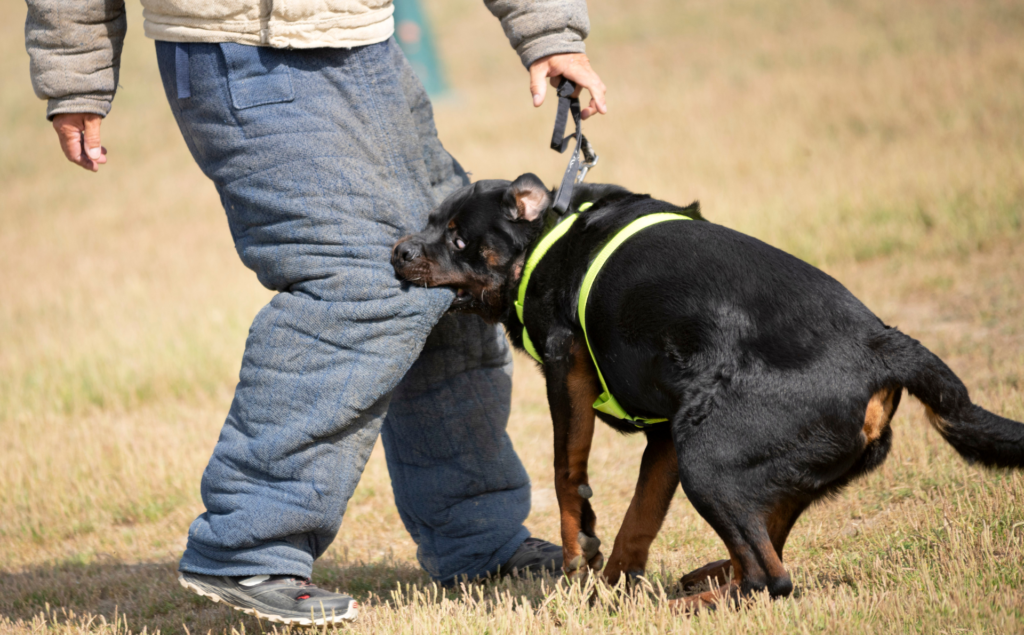
Understanding Liability in Dog Bite Cases

When a dog bite occurs, questions of liability and responsibility often arise. Understanding who is legally responsible for the incident is key to seeking compensation for injuries. This blog explores the aspects of liability in dog bite cases, helping you navigate the legal landscape of such incidents.

Owner Responsibility and “Strict Liability” Laws

In many places, dog owners are held strictly liable for any injuries caused by their dog, regardless of the dog’s history or temperament. This means that even if the dog has never shown signs of aggression, the owner may still be held responsible. Understanding these laws helps clarify who is accountable in a dog bite incident and what options you may have if you are bitten.

Negligence and Duty of Care

Some cases may involve proving that the dog owner was negligent. If an owner fails to control their dog or keep it contained, they could be seen as failing in their duty of care to others. For example, if an owner lets a dog roam without a leash in a public area, this could be considered negligence. Knowing how negligence is determined can support your claim if you decide to pursue compensation.

Provocation and Shared Responsibility

In some cases, a dog bite incident may involve shared responsibility. If the person bitten was provoking the dog, liability may be reduced or shared. Courts may consider the actions of the victim to assess whether they contributed to the situation. Understanding the role of provocation is essential in cases where both parties may bear some responsibility.

Liability of Third Parties

Sometimes, liability in dog bite cases can extend beyond the dog owner. For example, if the bite occurred on someone else’s property, the property owner could also be held liable if they were aware of the dog’s aggressive behavior. Additionally, dog sitters, kennels, or dog walkers may bear responsibility if the dog was under their care at the time. Recognizing third-party liability can provide additional avenues for compensation.

Legal Recourse for Dog Bite Victims

Victims of dog bites have several options for pursuing compensation, including filing a claim through the owner’s homeowner’s insurance or pursuing a personal injury lawsuit. Compensation may cover medical expenses, lost wages, emotional distress, and other damages. Seeking legal advice can help you understand the best approach for your situation and ensure that your rights are upheld.

Conclusion

Understanding liability in dog bite cases is crucial for determining responsibility and seeking appropriate compensation. By being informed about strict liability, negligence, provocation, third-party liability, and legal recourse, victims can make better decisions in the aftermath of a dog bite incident. Knowledge of these legal aspects empowers victims to take the steps needed to secure fair compensation and accountability.

Steps to Take Immediately After a Dog Bite Incident
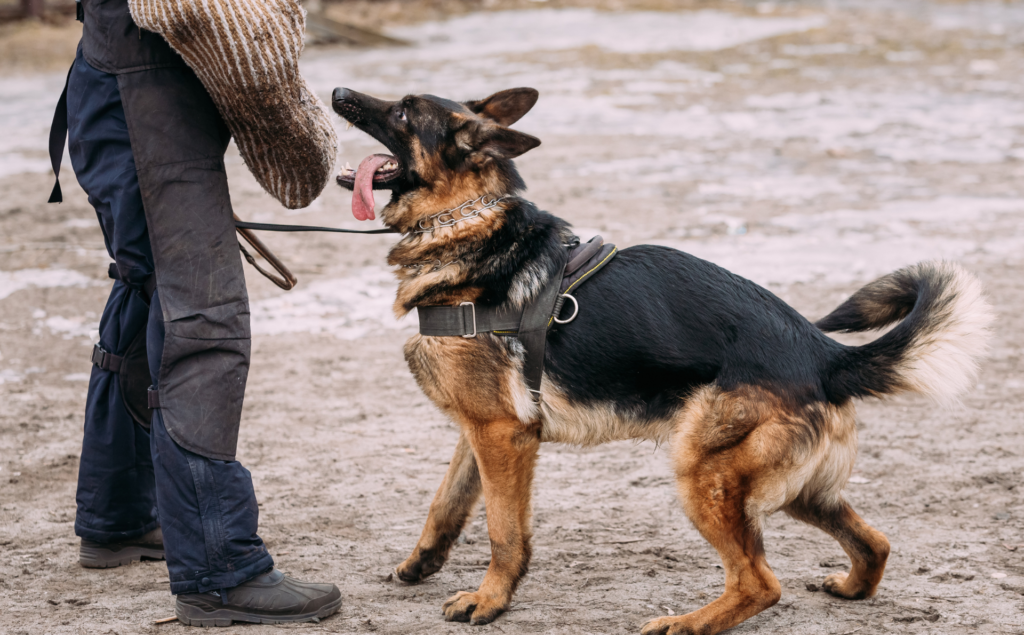
Steps to Take Immediately After a Dog Bite Incident

Experiencing a dog bite can be alarming and confusing. Knowing what to do immediately afterward is essential to protect your health, manage potential risks, and understand your legal rights. This blog outlines the necessary steps to take after a dog bite incident.

Assess the Severity of the Injury

The first step after a dog bite is to assess the injury. Check for bleeding, punctures, or any visible signs of tissue damage. Even if the bite seems minor, it’s essential to treat it with care as dog bites can lead to infections. For severe injuries with heavy bleeding or deep wounds, seek emergency medical attention immediately. Proper assessment helps you understand the level of treatment required to prevent further complications.

Clean and Treat the Wound

If the injury is not severe, clean the wound as soon as possible. Wash the affected area with soap and water, and apply an antiseptic to reduce the risk of infection. Cover the wound with a clean bandage and change the dressing daily. Dog bites are prone to bacterial infections, so keeping the wound clean is crucial. Seek medical advice, as antibiotics may be needed to prevent infection.

Gather Information About the Dog and Its Owner

If the dog is with its owner, collect essential information, including the owner’s name, contact information, and details about the dog’s vaccination status, especially rabies. Having this information is important for both medical and legal reasons. Knowing the dog’s vaccination status can determine whether you need a rabies shot. This information is also critical if you need to pursue any legal action related to the bite.

Report the Incident to Local Authorities

In many areas, dog bites are required to be reported to local animal control or public health authorities. Reporting the incident can help prevent further incidents with the same dog and ensures there is an official record of the event. Animal control may investigate the incident and ensure that the dog is properly vaccinated. This step is also important if you intend to pursue any claims related to the injury.

Consider Seeking Legal Advice

If you sustained serious injuries or incurred significant medical expenses, consulting a personal injury lawyer experienced in dog bite cases can be beneficial. A lawyer can assess your case, help you understand your rights, and advise you on pursuing compensation for medical bills, lost wages, or emotional distress. Legal guidance can provide peace of mind and help you make informed decisions regarding your case.

Conclusion

Taking immediate and appropriate action after a dog bite is essential for both your health and legal rights. By assessing the injury, cleaning the wound, gathering relevant information, reporting the incident, and considering legal advice, you can manage the situation effectively. Each step plays a critical role in your recovery process and ensures that your rights are protected.

The Importance of Helmet Use and Safety Gear in Preventing Motorcycle Injuries
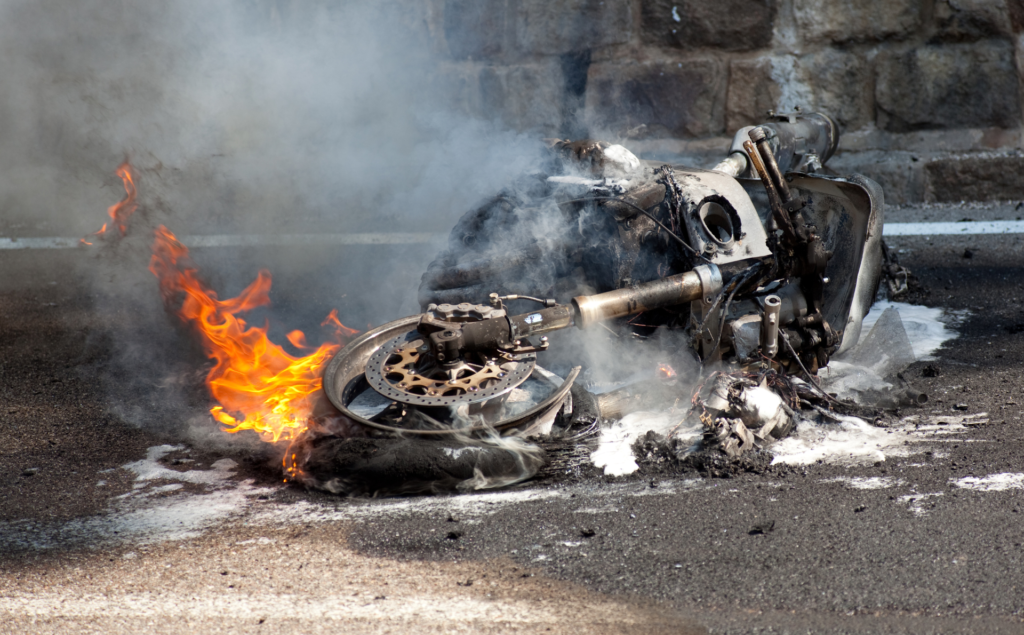
The Importance of Helmet Use and Safety Gear in Preventing Motorcycle Injuries

Motorcycle riding offers a sense of freedom and adventure, but it also comes with significant risks. Helmets and safety gear play a critical role in preventing injuries and reducing the severity of accidents. This blog explores the importance of helmet use and other protective gear in enhancing rider safety and preventing motorcycle injuries.

Understanding the Risks of Motorcycle Riding

Motorcycles, while exhilarating to ride, expose riders to a higher risk of accidents compared to other vehicles. Factors such as visibility, balance, and the lack of protective barriers make riders more vulnerable on the road. Understanding these risks underscores the importance of taking proactive measures to enhance safety. Wearing a helmet and appropriate safety gear can significantly reduce the likelihood of severe injuries in the event of an accident.

The Role of Helmets in Injury Prevention

Helmets are one of the most critical pieces of safety equipment for motorcyclists. Research shows that wearing a helmet can reduce the risk of head injuries by up to 69%. Helmets are designed to absorb impact energy, protecting the skull and brain during a crash. In many jurisdictions, helmet use is mandated by law, reflecting the overwhelming evidence of their effectiveness in preventing fatalities and severe injuries.

Choosing the Right Helmet

Not all helmets offer the same level of protection. When choosing a helmet, it is essential to look for one that meets safety standards set by organizations such as the Department of Transportation (DOT) or the Snell Memorial Foundation. A proper fit is also crucial; the helmet should be snug but comfortable, without obstructing vision. Additionally, consider features such as ventilation, weight, and visibility to ensure a safe and enjoyable riding experience.

The Importance of Protective Clothing

In addition to helmets, wearing appropriate protective clothing is essential for minimizing injuries in motorcycle accidents. Leather jackets, padded gloves, and reinforced pants provide a protective layer that can prevent abrasions, cuts, and other injuries in the event of a crash. Footwear designed for motorcycle riding, such as sturdy boots with ankle support, can protect against foot and leg injuries. Investing in quality safety gear can make a significant difference in a rider’s safety and comfort.

Raising Awareness About Safety Gear

Promoting awareness about the importance of helmets and safety gear is crucial for improving motorcycle safety overall. Educational campaigns, rider training programs, and community initiatives can help spread the message about the benefits of protective equipment. Encouraging new riders to prioritize safety gear and instilling good habits in experienced riders can contribute to a safer riding culture and reduce the incidence of motorcycle accidents.

Conclusion

The importance of helmet use and safety gear in preventing motorcycle injuries cannot be overstated. Helmets and protective clothing play a vital role in enhancing rider safety and minimizing the risk of severe injuries in the event of an accident. By understanding the risks of motorcycle riding and prioritizing the use of appropriate safety gear, riders can significantly improve their chances of a safe and enjoyable riding experience. Promoting awareness about the benefits of helmet use and protective gear is essential for fostering a culture of safety among motorcyclists and reducing the incidence of accidents on the road.

Essential Steps to Take After a Motorcycle Accident
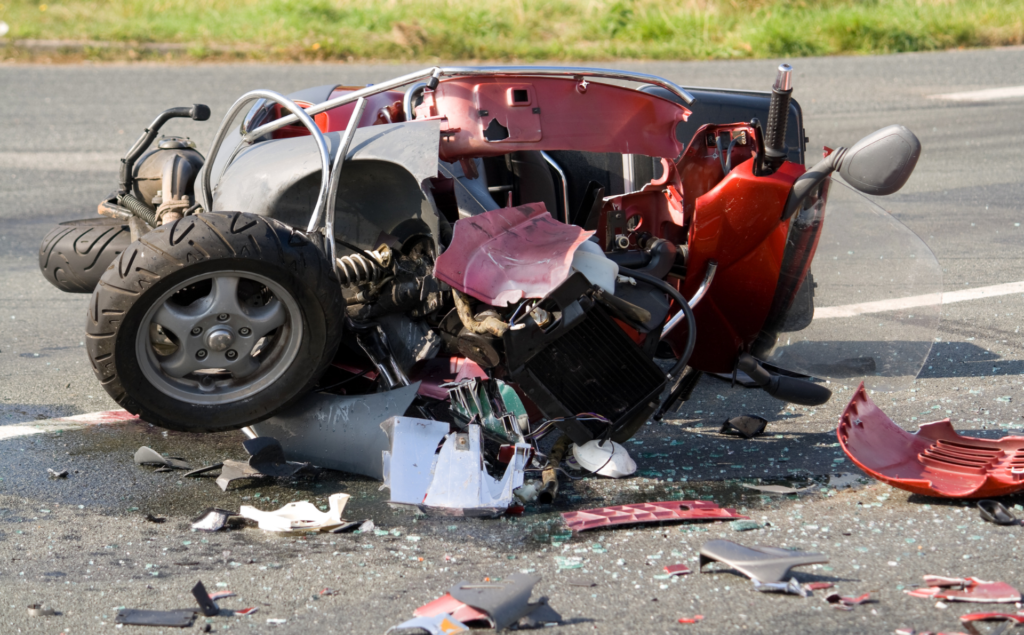
Essential Steps to Take After a Motorcycle Accident

Experiencing a motorcycle accident can be overwhelming and frightening, leaving riders unsure of what to do next. Taking the right steps immediately following an accident is crucial for protecting your legal rights and ensuring your recovery process is as smooth as possible. This blog outlines essential actions to take after a motorcycle accident to safeguard your interests.

Ensure Your Safety and Seek Medical Attention

The first priority after a motorcycle accident is to ensure your safety and the safety of others involved. If possible, move your motorcycle out of traffic to prevent further accidents. Check yourself and others for injuries and call emergency services if anyone is hurt. Even if you feel fine, it’s essential to seek medical attention, as some injuries may not be immediately apparent. A thorough medical evaluation can help identify hidden injuries and establish a record of treatment, which is vital for any future claims.

Document the Scene

Collecting evidence from the accident scene is crucial for establishing liability and supporting your claims. Take photographs of the scene, including the position of the vehicles, road conditions, and any visible injuries. Gather contact information from witnesses and make notes about the circumstances surrounding the accident. This documentation can provide critical information that may be used in legal proceedings or insurance claims.

Report the Accident

In Ontario, it is important to report the motorcycle accident to the police, especially if there are injuries or significant property damage. An official police report can serve as an essential document for your insurance claim and any potential legal action. Ensure that you obtain a copy of the report for your records, as it may contain valuable information regarding the accident.

Notify Your Insurance Company

Contact your insurance provider as soon as possible after the accident, ideally within 24 hours. Provide them with all relevant details, including the police report, photographs, and any witness statements. Be honest and thorough in your communication to avoid complications with your claim. Your insurance company will assign a claims adjuster who will assess the situation and guide you through the claims process.

Consult with a Personal Injury Lawyer

If you sustained injuries in the accident or if there are disputes regarding fault or damages, seeking legal counsel is advisable. A personal injury lawyer experienced in motorcycle accidents can help you navigate the complexities of the legal system. They can evaluate the specifics of your case, negotiate with insurance companies, and ensure that you receive fair compensation for medical expenses, lost wages, and other damages resulting from the accident.

Conclusion

Taking the right steps after a motorcycle accident is crucial for protecting your rights and ensuring a smoother recovery process. From seeking medical attention to documenting the scene and consulting with legal counsel, each action plays a vital role in the aftermath of an accident. By being informed and proactive, you can navigate the challenges that arise and work toward securing the compensation and support you need to recover fully.

Understanding the Common Causes of Motorcycle Accidents
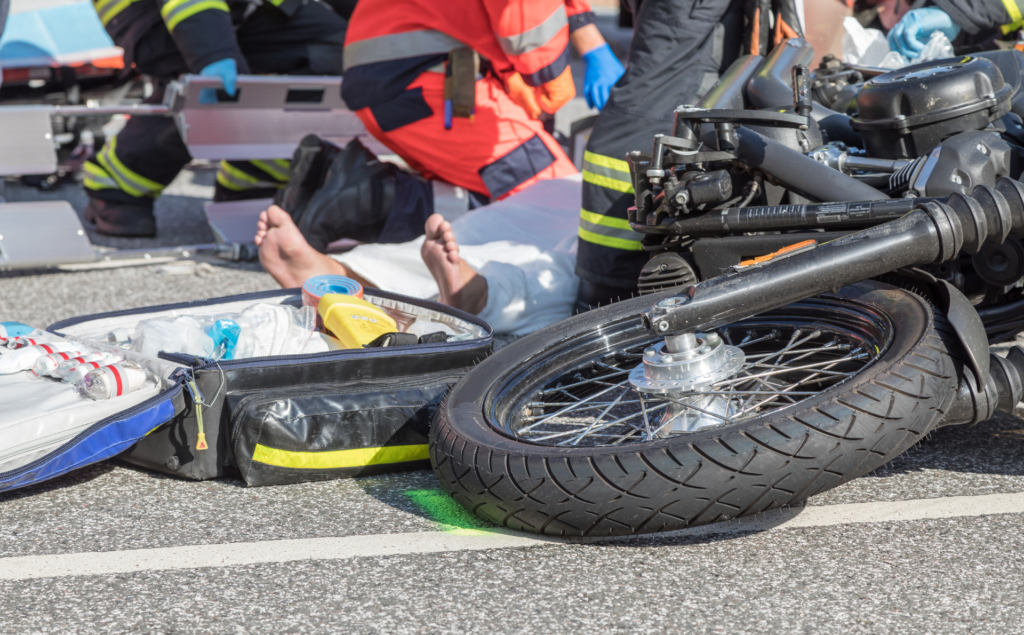
Understanding the Common Causes of Motorcycle Accidents

Motorcycle accidents can lead to severe injuries or fatalities, often due to the unique risks associated with riding. Understanding the common causes of these accidents is essential for both riders and drivers to improve safety on the roads. This blog explores the prevalent factors contributing to motorcycle accidents and offers insights into prevention.

Inattentive Drivers

One of the leading causes of motorcycle accidents is inattentive drivers. Many motorcycle accidents occur because drivers fail to see motorcycles, particularly in blind spots or during lane changes. Motorcyclists are often more vulnerable on the road due to their smaller size compared to cars. This highlights the importance of drivers actively checking for motorcycles before making maneuvers, and it underscores the need for motorcyclists to practice defensive riding.

Speeding and Reckless Riding

Excessive speed and reckless riding behavior can significantly increase the likelihood of accidents. Riders who exceed speed limits or engage in risky behaviors such as weaving in and out of traffic are at greater risk of losing control of their motorcycle. Additionally, speed reduces the rider’s ability to react quickly to obstacles or sudden changes in traffic conditions. Promoting responsible riding practices and adherence to speed limits can help mitigate these risks.

Poor Road Conditions

Road conditions play a critical role in motorcycle safety. Potholes, uneven surfaces, debris, and poor weather conditions can create hazardous situations for riders. Motorcycles have less stability than cars, making them more susceptible to loss of control when encountering these obstacles. Riders should be cautious and adjust their speed when navigating unfamiliar or poorly maintained roads. Advocating for better road maintenance can also help reduce the risk of accidents.

Driving Under the Influence

Driving under the influence of alcohol or drugs remains a significant factor in motorcycle accidents. Impaired judgment, reduced reaction times, and poor decision-making can lead to dangerous situations for both motorcyclists and other road users. Promoting awareness about the dangers of riding under the influence and encouraging designated riders can contribute to safer riding environments.

Inexperienced Riders

Inexperience is another common factor contributing to motorcycle accidents. New riders may lack the skills necessary to handle a motorcycle safely, particularly in challenging traffic conditions. Completing a motorcycle safety course can help improve riding skills and increase awareness of road hazards. Additionally, riding within one’s skill level and gaining experience gradually can enhance safety on the road.

Conclusion

Understanding the common causes of motorcycle accidents is vital for improving safety on the roads. By addressing issues such as inattentive drivers, reckless riding, poor road conditions, driving under the influence, and rider inexperience, both motorcyclists and other road users can work together to create a safer environment. Promoting awareness and education about these factors is essential in reducing the number of motorcycle accidents and protecting riders from harm.

Steps to Take After a Catastrophic Accident to Protect Your Rights

Steps to Take After a Catastrophic Accident to Protect Your Rights

Experiencing a catastrophic accident can be overwhelming, leaving victims unsure of what to do next. Taking the right steps immediately following the incident is crucial for protecting your legal rights and ensuring you receive the compensation you deserve. This blog outlines essential actions to take after a catastrophic accident to safeguard your interests.

Immediate Medical Attention

The first and most critical step after a catastrophic accident is to seek immediate medical attention. Even if injuries are not apparent, prompt evaluation by a medical professional is essential. Some injuries may not manifest symptoms right away but can lead to serious complications if left untreated. Getting a thorough medical examination creates a documented record of your injuries, which is vital for any future legal claims.

Documenting the Accident Scene

Collecting evidence from the accident scene is crucial for establishing liability. If possible, take photographs of the scene, including vehicles, road conditions, and any visible hazards. Gather contact information from witnesses who may have seen the incident. Documenting the accident as thoroughly as possible will provide critical information for your legal case and help support your claims for compensation.

Reporting the Incident

Ensure that the accident is reported to the appropriate authorities. This may include filing a police report if the accident involves a vehicle or notifying workplace safety officials in the case of a workplace accident. An official report serves as an essential document for any legal proceedings and can provide clarity regarding the circumstances of the accident. Additionally, having an official record of the incident can strengthen your position when dealing with insurance companies.

Consulting with Legal Counsel

Navigating the aftermath of a catastrophic accident can be complex, and seeking legal counsel is advisable. An experienced personal injury lawyer can guide you through the process, helping you understand your rights and options. They can assist in gathering evidence, negotiating with insurance companies, and ensuring you receive fair compensation for your injuries. Legal representation is crucial for protecting your interests, especially in cases involving severe injuries and long-term consequences.

Understanding Your Rights and Options

Educating yourself about your rights as a victim of a catastrophic accident is vital. Depending on the specifics of your case, you may be entitled to various forms of compensation, including medical expenses, lost wages, pain and suffering, and future care costs. Understanding the types of damages available can help you advocate for yourself and ensure you receive the support you need to recover. Staying informed and proactive about your legal rights can significantly impact your case’s outcome.

Conclusion

Taking the right steps after a catastrophic accident is crucial for protecting your rights and ensuring you receive the compensation you deserve. From seeking immediate medical attention to documenting the scene and consulting with legal counsel, each action plays a vital role in the aftermath of such a life-altering event. By understanding your rights and navigating the complexities of the legal system, you can take meaningful steps toward recovery and rebuilding your life after a catastrophic accident.