
Tips for Preventing Dog Bite Injuries and Staying Safe Around Dogs

Child being supervised while interacting with a friendly dog to ensure safety and prevent dog bites.

Suffering from a dog bite can be an overwhelming and distressing experience. The pain of the injury, the fear of potential infection, and the uncertainty of navigating legal and medical procedures can leave anyone feeling lost. You may be dealing with medical bills, lost wages, and the emotional trauma that follows a bite, all while trying to heal physically and emotionally.

At Maana Law, we understand how difficult this time can be. We know that dealing with the aftermath of a dog bite injury is not just about the immediate medical attention, but also about the emotional and financial strain it brings. We are here to help you understand the steps you can take to prevent dog bites and what you should do if one happens. Our team has over 10 years of experience guiding Mississauga residents through the complexities of personal injury law, offering not just legal expertise but compassionate support.

In this article, you’ll learn how to read dog body language, the causes behind dog bites, immediate actions to take after a bite, and how to prevent these incidents in the first place. We’ll also discuss specific medical advice for those in Canada, where rabies and other risks require swift and effective treatment. Let’s dive into the steps you can take to stay safe around dogs.

Key Takeaways:

  • Recognizing dog body language is key to avoiding bites.
  • Supervising children around dogs is essential for safety.
  • Approach unfamiliar dogs cautiously and with respect.
  • Immediate action after a bite can prevent complications.
  • Know your legal rights and how Maana Law can help.

Why Do Dogs Bite?

Dogs, while often considered man’s best friend, are also instinctual animals that may bite for a variety of reasons. Understanding why a dog might bite is key to reducing the risk and preventing injury.

Dog showing signs of aggression with raised tail and stiff posture, warning of potential bite.

Common Triggers of Aggression

  1. Fear or Anxiety: A dog may bite if it feels threatened or cornered. This is often a defensive reaction to protect itself from perceived harm.

  2. Protecting Food, Toys, or Puppies: Dogs can become aggressive when they feel their resources are being threatened, especially food, toys, or puppies. This instinct to guard their territory or belongings can lead to biting.

  3. Sudden Movements or Unfamiliar Situations: Dogs can be startled by sudden movements or new, unfamiliar situations, triggering a defensive response.

Role of Breed and Temperament

It’s important to understand that breed alone does not determine whether a dog will bite. Any dog, regardless of size or breed, can bite if it feels threatened, anxious, or poorly socialized. While some breeds may be more predisposed to protective instincts, temperament and early training play a much larger role in preventing aggression.

To better understand how to prevent dog bites, read more about the causes and prevention strategies in our related blog.

How Can You Prevent Dog Bites?

Preventing dog bites is about understanding dog behavior and taking proactive steps to ensure safety. Here are some practical strategies you can implement right away:

5 Tips to Prevent Dog Bites

  1. Supervise Children Around Dogs: Children often don’t understand dog behavior and may unintentionally provoke a bite. Always supervise interactions and teach kids the importance of respecting the dog’s space.

  2. Approach Unfamiliar Dogs Cautiously: Never approach a dog without asking the owner if it’s safe to do so. Approach slowly, and always avoid dogs that are eating, sleeping, or seem uncomfortable.

  3. Learn and Respect Dog Body Language: Dogs communicate through their body language, so it’s important to learn the signs of discomfort, fear, or aggression to avoid a potential bite.

  4. Keep Dogs Leashed in Public: Leashing dogs in public ensures that you maintain control over their actions and can prevent unwanted interactions.

  5. Proper Socialization and Training: A well-socialized dog is less likely to bite out of fear or confusion. Socializing and training your dog early helps them react calmly in new situations.

To learn more about reading dog body language and recognizing warning signs, check out our guide on dog bite prevention.

Everyday Safety Practices

  • Respect a Dog’s Space: Always give dogs space when they are eating or resting, as these are times when they may feel threatened or protective.

  • Avoid Sudden Movements or Direct Eye Contact: Sudden movements or making direct eye contact can make a dog feel threatened, leading to aggressive behavior. Always approach calmly.

Reading Dog Body Language

Dogs give several warning signs before they bite. Learning how to recognize these signs can help you avoid dangerous situations. Here’s what to look for:

Key Signs of Aggression or Stress

  • Tail Position: A stiff, raised tail often indicates aggression or alertness, while a wagging tail may not always mean the dog is friendly.

  • Ear Position: Ears that are flattened against the head indicate fear, while ears held upright may suggest the dog is on alert.

  • Growls and Snarls: These vocalizations are signals from the dog that it feels threatened and is ready to defend itself.

  • Body Posture: A dog that is standing rigidly with its body stiffened is likely preparing to react. Conversely, a dog that cowers or avoids you is likely stressed or scared.

Understanding these cues is essential to avoiding a bite. If you see a dog exhibiting any of these signs, back away slowly and give the dog space.

Types and Severity of Dog Bites

Dog bites vary in severity, from minor nips to serious puncture wounds. It’s essential to recognize the severity of the bite in order to determine the appropriate response.

Minor Bites vs. Serious Bites

  • Minor Nips or Scratches: These may be superficial and can usually be cleaned and monitored at home. However, they should still be observed for signs of infection.

  • Puncture Wounds: Deep bites that break the skin or penetrate muscle or tissue can lead to infection and may require medical treatment.

  • Category III Exposure: Severe bites, especially those on the face, neck, or hands, may pose a significant risk for rabies exposure and require immediate medical intervention.

Immediate Steps After a Dog Bite

Knowing what to do immediately after a dog bite can reduce the risk of infection and complications. Follow these steps:

  1. Clean the Wound: Wash the bite area thoroughly with soap and water. This helps reduce the risk of infection.

  2. Apply Pressure to Stop Bleeding: Use a clean cloth to apply pressure if the bite is bleeding.

  3. Seek Medical Help: If the bite is serious, or if there’s concern about rabies, get medical attention right away.

Dog Bite Treatment in Canada

In Canada, immediate medical care is crucial to prevent infections or complications, especially when dealing with rabies. Here’s how to proceed:

  • Wound Washing and First Aid: Clean the wound thoroughly with soap and clean water.

  • Post-Exposure Prophylaxis (PEP): If the dog has not been vaccinated or if its rabies status is unknown, start post-exposure prophylaxis as soon as possible.

  • Anti-Rabies Vaccine (ARV) and Rabies Immunoglobulin (RIG): Rabies is a fatal disease, and the timely administration of the rabies vaccine and immunoglobulin is essential.

  • Local Centers: Visit the Infectious Disease Hospital (IDH) or District Rabies Prevention and Control Centres (DRPCCs) for treatment.

  • Risks of Relying on Traditional Healers: It’s important to avoid relying on unproven methods. Seek professional medical care immediately.

Home Remedies: Do They Work?

Using home remedies such as a newspaper to apply pressure to the wound is not recommended. Proper medical treatment is the best way to prevent infections and other complications from a dog bite.

Treating Dog-to-Dog Bites

If your dog is involved in a dog-to-dog bite, it’s important to clean the wound immediately and monitor for signs of infection. Consult your veterinarian for further care, as antibiotics and pain relief may be necessary.

Community and Public-Level Prevention

At the community level, reducing dog bites involves proactive measures such as mass dog vaccination (MDV) and dog population management (DPM). These programs help control stray dog populations, reduce rabies transmission, and promote public safety.

Public Awareness Campaigns

Awareness campaigns help educate communities on safe dog interactions and promote responsible pet ownership. Together, these efforts contribute to a safer environment for both humans and dogs.

Safety Tips for Children Around Dogs

Children should always be supervised when interacting with dogs. Teach them how to respect a dog’s space, avoid disturbing the dog during meals, and recognize signs of stress or discomfort. Proper education can help prevent many dog bite incidents.

Avoiding Dog Bites in Public Spaces

In public spaces, dogs should always be kept on leashes. Avoid free-roaming or aggressive dogs, and always exercise caution when encountering unfamiliar animals. Leash laws and responsible pet ownership in public parks are essential for preventing injuries.

Dog Training for Bite Prevention

Training your dog from an early age is essential to prevent aggressive behavior. Socialization, obedience training, and using positive reinforcement techniques can help ensure that your dog is well-behaved and less likely to bite.

Do Dogs Warn Before They Bite?

Yes, dogs often give warning signs before they bite. These signs include growling, showing their teeth, or adopting a stiff posture. Recognizing these warning signs early can help you avoid a dangerous situation.

At What Age Do Dogs Stop Biting?

Puppies typically stop mouthing and biting around 6 months of age. However, some adult dogs may continue biting if not properly trained or if they feel threatened. Ongoing training and proper socialization are key to preventing biting behavior.

Legal Considerations After a Dog Bite

In Ontario, dog owners are legally responsible for the actions of their pets, including bites. If you’ve been bitten, it’s essential to report the incident and seek legal advice. You may be entitled to compensation for medical expenses, pain, and suffering.

At Maana Law, we offer experienced legal support to help you navigate the claims process and secure compensation for your injuries.

Why Choose Us

At Maana Law, we stand out by offering unmatched expertise, personalized attention, and a results-driven approach. Our focus is on providing tailored legal solutions that meet your unique needs and deliver justice effectively.

Decades of Legal Expertise

With over 10 years of experience, we bring in-depth knowledge and a proven track record of success in a variety of personal injury cases.

Client-Centered Approach

We prioritize your needs, offering personalized guidance and crafting strategies that align with your goals and challenges.

Transparent & Affordable Services

Our contingency-based model ensures that you only pay if we win, making expert legal representation accessible to all.

Compassionate Advocacy

We understand the emotional toll of legal battles, providing support with empathy and a dedication to achieving justice for you.

FAQs

How can you prevent dog bites?

To prevent dog bites, supervise children around dogs, avoid approaching unfamiliar dogs, learn to read dog body language, and keep dogs leashed in public. Proper socialization and training for pets also help reduce the risk of bites.

Dogs often bite when they feel threatened, stressed, or scared. Educating yourself and others on how to interact with dogs safely can reduce the risk of such incidents.

What to do to get your dog to stop biting?

Training your dog to stop biting involves teaching bite inhibition, redirecting biting behavior, and using positive reinforcement. Consistent training is key.

Dogs often mouth as puppies, but with proper training, they can learn to control their bite. Avoid punishment-based methods and focus on rewarding calm behavior.

What dog breeds are more prone to biting?

Any dog can bite, regardless of breed, if it feels threatened. However, some breeds may show more territorial or protective instincts, which can increase the likelihood of aggression if not properly trained or socialized.

It’s important to note that a dog’s behavior is often influenced by their upbringing, environment, and experiences rather than their breed.

How to train bite inhibition?

Bite inhibition training involves teaching your dog to control the strength of its bite. Start by gently playing with your dog and letting it mouth your hands. If it bites too hard, stop the play and give a firm “no.” Reward gentle behavior to reinforce positive actions.

With patience and consistent reinforcement, puppies can learn to soften their bite as they grow.

Do dogs warn before they bite?

Yes, dogs often give warning signs before biting, such as growling, lip licking, or showing their teeth. These signals indicate that the dog is feeling threatened or anxious.

Recognizing these signs early on can help you avoid a dangerous situation and prevent escalation.

Conclusion: Staying Safe and Seeking Proper Treatment

By following these safety practices and understanding the steps to take after a dog bite, you can significantly reduce the risk of injury. Whether you’re a dog owner or just someone who enjoys time outdoors, safety is always the top priority. If you or a loved one has been bitten, seek proper medical care and understand your rights. Expert legal assistance is available to guide you through the process and help you secure compensation for your injuries.

What to Expect During a Personal Injury Lawsuit in Ontario

What-to-Expect-During-a-Personal-Injury-Lawsuit-in-Ontario

What to Expect During a Personal Injury Lawsuit in Ontario

Suffering an injury due to someone else’s negligence is traumatic—not just physically and emotionally, but legally too. If you’re considering legal action, it’s natural to feel overwhelmed. At Maana Law, we simplify the process and guide you every step of the way. Here’s a detailed breakdown of what to expect during a personal injury lawsuit in Ontario and how legal support from experienced professionals can make all the difference.

Starting with a Legal Consultation: Your First Step Toward Justice

The process begins when you consult a personal injury lawyer. At this stage, the lawyer will review your case details, listen to your experience, and evaluate the circumstances that led to your injury. The goal is to determine whether your case has merit and explain your legal rights. During this initial conversation, the lawyer may also outline how the firm charges for its services, often on a contingency fee basis, meaning you don’t pay unless your case is successful. Bringing along medical records, photos, police reports, and insurance information can be helpful during this first meeting, as these documents help build a preliminary picture of your claim.

Investigation and Gathering of Evidence: Building a Strong Case

Once you’ve hired a lawyer, they will begin a thorough investigation into the incident. This involves collecting medical records, accident reports, photographs, surveillance footage, and statements from witnesses. Expert opinions from medical professionals or accident reconstruction specialists may also be obtained to validate your injuries and the cause of the incident. This evidence will be used to show how the injury occurred, who was responsible, and the extent of the damage you’ve suffered. During this phase, your legal team will also calculate the compensation you may be entitled to, including medical expenses, lost income, pain and suffering, and potential future losses.

Filing the Statement of Claim: Beginning the Formal Lawsuit

If a fair settlement cannot be reached through negotiation with the at-fault party or their insurance company, your lawyer will initiate a lawsuit by filing a legal document called a Statement of Claim. This document outlines the facts of the case, the injuries sustained, and the amount of compensation being sought. It is formally submitted to the Ontario Superior Court of Justice and served to the defendant. Once served, the defendant typically has 20 days to file a Statement of Defence. This response will contain their version of the events and any arguments they intend to make to refute the claim.

Discovery Process: Sharing Information and Strengthening Arguments

The discovery phase allows both parties to exchange all relevant information. You and the defendant may be asked to participate in an Examination for Discovery, which is a formal interview conducted under oath. This session helps both sides understand each other’s positions and gives lawyers a better idea of how the case might play out if it goes to trial. Although being questioned can feel intimidating, your legal team will prepare you thoroughly so you can answer confidently and honestly. Along with oral discoveries, documents such as medical bills, employment records, and correspondence will also be exchanged to support the case.

Mediation and Negotiation: Attempting to Reach a Settlement

Most personal injury cases in Ontario settle before reaching trial. Once both sides have shared evidence and participated in discovery, there is often a formal mediation process. Mediation involves a neutral third party who helps both sides try to come to a resolution. This is an opportunity to negotiate a fair settlement without the stress, expense, and uncertainty of a courtroom trial. If both parties can agree on compensation, the case concludes with a settlement. If not, the legal process continues toward trial.

Pre-Trial Conference: Preparing for the Final Stage

Before a case goes to trial, the court will schedule a pre-trial conference. This is a meeting between both parties and a judge, intended to encourage settlement and streamline the trial process. The judge will not decide the case but will offer insight into how a trial might unfold based on the evidence presented so far. This often helps clarify each side’s position and can lead to a last-minute resolution. If no agreement is reached, the court will proceed with setting a trial date.

The Trial: Presenting Your Case in Court

If a trial becomes necessary, it will take place in the Ontario Superior Court. At this stage, both sides will present their evidence, question witnesses, and argue their positions before a judge and possibly a jury. You may be called to testify about the accident, your injuries, and the impact it has had on your life. Your legal team will manage all aspects of the trial and ensure that your story is presented clearly and effectively. After hearing all evidence, the judge or jury will make a decision on liability and determine the amount of compensation, if any.

Receiving Compensation and Post-Trial Considerations

If the court rules in your favor, you will be awarded compensation, also known as damages. This may include reimbursement for medical expenses, rehabilitation costs, loss of income, emotional distress, and other financial impacts related to the injury. In some cases, future care needs and long-term disability may also be factored into the compensation amount. If the court rules against you, your legal team will assess the viability of an appeal. Appeals are typically only possible if there were significant legal errors made during the trial.

Timelines and Patience: Understanding the Legal Pace

Personal injury lawsuits in Ontario can take months or even years to resolve. Simple claims may settle within a year, while more complex cases—especially those involving serious or catastrophic injuries—can take longer. Patience is important, but so is having a legal team that regularly updates you and moves the case forward diligently. Your lawyer will manage deadlines, filings, and negotiations, ensuring no procedural step is missed. Clear and open communication between you and your legal representative is key during this time.

Conclusion

Understanding what to expect during a personal injury lawsuit in Ontario is essential to navigating the legal process with confidence. From the initial consultation to gathering evidence, filing the claim, participating in discovery, and potentially going to trial, each stage requires attention to detail and legal expertise. With the support of an experienced team like Maana Law, you can focus on recovery while your legal rights are protected. By knowing what lies ahead and staying informed, you are better equipped to make decisions that will positively impact your future and help secure the compensation you rightfully deserve.

The Role of Evidence in Personal Injury Claims Building a Strong Case

The Role of Evidence in Personal Injury Claims: Building a Strong Case

When someone else’s negligence leads to an accident, the strength of your personal injury claim often depends on the evidence you can present. Evidence is essential for proving fault, demonstrating the extent of your injuries, and securing the compensation you deserve. Without solid evidence, even valid claims may struggle to succeed. Understanding the role of evidence and how it contributes to building a strong case is crucial for achieving a favorable outcome.

At Maana Law, we recognize the importance of evidence in personal injury cases. Our dedicated team works tirelessly to gather and present compelling evidence that supports your claim, ensuring your rights are protected and your voice is heard.

Why Evidence is Crucial

In a personal injury claim, the burden of proof lies with the victim. This means you must establish that another party’s negligence caused the accident and that the resulting injuries have led to measurable losses. Evidence serves as the foundation for proving these elements, including the duty of care owed to you, the breach of that duty, and the damages you’ve suffered.

Well-documented evidence strengthens your claim by providing a clear and convincing narrative of what happened. It also counters attempts by insurance companies or opposing parties to minimize your injuries or dispute liability. Evidence not only supports your case but also helps determine the value of your compensation.

Key Types of Evidence

Various forms of evidence can be used to support a personal injury claim. These include photographs of the accident scene, medical records, witness statements, and documentation of financial losses. Visual evidence, such as images of hazardous conditions or visible injuries, can illustrate the circumstances of the accident. Medical records are invaluable for linking your injuries to the incident and showing their severity.

Witness testimonies can corroborate your version of events, while expert opinions may provide insights into complex issues, such as accident reconstruction or long-term medical implications. Every piece of evidence adds to the overall strength of your case.

The Importance of Acting Quickly

Time is a critical factor in gathering evidence. Physical evidence, such as damaged property or hazardous conditions, may be removed or altered shortly after an accident. Witnesses’ memories may fade, making their testimonies less reliable over time. Acting promptly ensures that evidence is preserved and remains credible.

Seeking medical attention immediately after an accident is also vital. Medical documentation not only safeguards your health but also creates a clear timeline of your injuries and treatments. Delays in seeking care may raise questions about the severity of your injuries or their connection to the accident.

How Evidence Impacts Compensation

The strength and quality of evidence directly influence the compensation you may receive. Solid evidence helps quantify economic damages, such as medical expenses, lost wages, and future earning capacity. It also supports claims for non-economic damages, such as pain and suffering or loss of enjoyment of life.

For severe injuries, evidence may demonstrate the need for long-term care, home modifications, or other future expenses. Presenting clear and detailed documentation ensures that all aspects of your damages are accounted for.

Challenges in Collecting Evidence

While evidence is critical, gathering it is not always straightforward. In the aftermath of an accident, victims may be too injured or overwhelmed to collect information at the scene. Opposing parties or insurance companies may dispute the validity of evidence or attempt to downplay its significance.

Working with a personal injury lawyer can help overcome these challenges. An experienced lawyer will know how to identify and preserve critical evidence, ensuring it is presented effectively in negotiations or court proceedings.

How Maana Law Supports Your Case

At Maana Law, we understand that building a strong case requires meticulous attention to detail. Our team takes a proactive approach to gathering evidence, ensuring no stone is left unturned. We investigate the circumstances of your accident, consult with experts when necessary, and collect all relevant documentation to support your claim.

Our goal is to present a compelling case that highlights the at-fault party’s negligence and accurately reflects the impact of the incident on your life. From handling communications with insurance companies to advocating on your behalf in court, we are committed to securing the compensation you deserve.

Conclusion

Evidence is the cornerstone of any successful personal injury claim. It establishes liability, demonstrates the extent of your injuries, and supports your request for fair compensation. Acting quickly to preserve and collect evidence is essential for building a strong case.

At Maana Law, we are here to guide you through this challenging process with expertise and compassion. Our team is dedicated to ensuring your evidence is presented effectively, your rights are protected, and your voice is heard. Contact us today for a consultation and take the first step toward securing justice and compensation.

With Maana Law by your side, you can focus on your recovery while we handle the complexities of your case. Let us be your trusted partner in building a strong claim and achieving the justice you deserve.

Navigating the Challenges of a Personal Injury Claim What You Need to Know

Navigating the Challenges of a Personal Injury Claim: What You Need to Know

Suffering a personal injury can be a life-altering experience, bringing physical, emotional, and financial burdens. Whether it’s a car accident, slip-and-fall, or workplace injury, the road to recovery can feel overwhelming, especially when you’re also navigating the legal process. Understanding the challenges of a personal injury claim and how to address them is crucial for achieving a fair resolution.

At Maana Law, we are dedicated to helping victims of personal injuries overcome these challenges and secure the compensation they deserve. Our experienced team offers the guidance and support you need during this difficult time.

Understanding the Legal Process

Personal injury claims can seem complex, especially if you’ve never dealt with legal matters before. The process typically begins with gathering evidence, which includes medical records, witness testimonies, and photographs of the accident scene. This evidence is essential for proving the at-fault party’s negligence and demonstrating the impact of the injury on your life.

Once the evidence is collected, negotiations with the at-fault party’s insurance company usually follow. Insurers often aim to minimize payouts, making it essential to have a strong case and an experienced advocate. If a fair settlement cannot be reached, the case may proceed to court, where additional legal expertise is required.

Challenges in Proving Negligence

One of the biggest hurdles in personal injury claims is proving negligence. This involves showing that the responsible party had a duty of care, breached that duty, and caused your injury as a result. Proving negligence often requires detailed evidence and, in some cases, expert testimony. For instance, accident reconstruction experts may be called upon to demonstrate how a car accident occurred or how unsafe conditions contributed to a slip-and-fall.

The opposing party may attempt to shift blame or argue that your actions contributed to the accident. This is where having a skilled legal team becomes invaluable, as they can counter such arguments and ensure the facts of your case are presented clearly and convincingly.

Dealing with Insurance Companies

Insurance companies are often one of the most challenging aspects of a personal injury claim. While they may appear supportive, their primary goal is to protect their bottom line. This often results in low settlement offers that fail to account for the full extent of your damages.

It’s important to approach negotiations carefully and avoid accepting quick settlements without legal advice. A personal injury lawyer can assess the true value of your claim, ensuring that all economic and non-economic damages are considered, including medical expenses, lost wages, pain and suffering, and future care needs.

Long-Term Impact of Injuries

Personal injuries can have long-lasting effects that go beyond immediate medical expenses. Chronic pain, reduced mobility, or emotional trauma can impact your ability to work, engage in daily activities, or enjoy life as you once did. Accurately documenting these long-term effects is critical for securing adequate compensation.

For severe injuries, such as those resulting in permanent disability, compensation may also include costs for home modifications, vocational retraining, or ongoing therapy. Determining these future needs requires careful evaluation and, often, the input of medical and financial experts.

Meeting Deadlines and Legal Requirements

In Ontario, personal injury claims are subject to strict deadlines under the Limitations Act, 2002. Generally, you have two years from the date of the injury to file a claim. Failing to meet this deadline can result in losing your right to seek compensation.

Other legal requirements, such as notifying certain parties or filing specific forms, may also apply depending on the circumstances of your case. Working with an experienced lawyer ensures that all deadlines and requirements are met, preventing costly mistakes.

Emotional and Psychological Toll

The emotional toll of a personal injury is often underestimated. Dealing with pain, limited mobility, and financial stress can take a significant toll on your mental health. Anxiety, depression, and feelings of helplessness are common among injury victims. Seeking support from professionals, such as therapists or counselors, can be beneficial during this challenging time.

At Maana Law, we understand the holistic impact of a personal injury and are committed to addressing not just the legal aspects of your case but also the broader challenges you face.

Why Choose Maana Law

At Maana Law, we know that every personal injury case is unique. Our client-focused approach ensures that your specific needs and concerns are addressed at every stage of the process. We handle all aspects of your case, from gathering evidence and negotiating with insurance companies to representing you in court if necessary.

Our team’s extensive experience in personal injury law allows us to anticipate challenges and develop strategies to overcome them. We are dedicated to securing the maximum compensation you deserve, so you can focus on recovery and rebuilding your life.

Conclusion

Navigating a personal injury claim can be daunting, but you don’t have to face it alone. From proving negligence and dealing with insurance companies to addressing the long-term impact of your injuries, every step of the process presents unique challenges. Having a skilled legal team by your side can make all the difference.

At Maana Law, we are here to guide you through this difficult time with compassion and expertise. Contact us today for a consultation and let us help you secure the justice and compensation you deserve. With Maana Law by your side, you can focus on healing while we handle the legal complexities of your case.

Take the first step toward reclaiming your life by reaching out to Maana Law. Let us be your trusted partner in pursuing justice and achieving a brighter future.

Personal Injury and the Path to Justice Understanding Your Rights
Personal Injury and the Path to Justice: Understanding Your Rights

Accidents caused by someone else’s negligence can bring unexpected hardships, leaving victims with physical, emotional, and financial burdens. Personal injury law exists to ensure that those affected by such incidents have a path to seek justice and recover compensation for their losses. Whether it’s a car accident, a workplace injury, or a slip-and-fall, understanding your rights is the first step toward rebuilding your life.

At Maana Law, we are dedicated to helping personal injury victims navigate the complexities of the legal system. Our experienced team works tirelessly to ensure your rights are protected and your voice is heard.

The Purpose of Personal Injury Law

Personal injury law is designed to provide justice and compensation to individuals who have been harmed due to the negligence or misconduct of others. It establishes a legal framework that holds at-fault parties accountable for their actions while offering victims a means to recover damages. These damages may include medical expenses, lost wages, emotional distress, and other costs associated with the injury.

The ultimate goal of personal injury law is to make victims whole again by addressing both the tangible and intangible losses they’ve suffered. For severe injuries, this may also involve compensation for long-term care, disability accommodations, or diminished earning capacity.

Common Types of Personal Injury Cases

Personal injury claims can arise from various situations. Motor vehicle accidents are among the most common, often caused by reckless driving, speeding, or distracted driving. Slip-and-fall incidents frequently occur due to hazardous conditions, such as wet floors or poorly maintained walkways. Workplace injuries can result from unsafe practices, defective equipment, or lack of proper training.

Each case is unique, but they all share the same fundamental principle: ensuring that victims are fairly compensated for the harm they’ve endured.

Steps to Take After an Injury

When an accident occurs, knowing what to do can significantly impact the success of your personal injury claim. Seeking immediate medical attention is the top priority, not only to ensure your health but also to document the extent of your injuries. Medical records are critical in linking your injuries to the incident and demonstrating their severity.

Reporting the accident to the appropriate authorities is another essential step. For motor vehicle accidents, this may involve contacting the police and filing an accident report. For workplace injuries, notifying your employer promptly is crucial. An official report creates a record of the incident, which can be invaluable during the claims process.

Gathering evidence is also key to building a strong case. Photographs of the accident scene, witness statements, and receipts for related expenses can all serve as important documentation. Acting quickly helps preserve evidence that might otherwise be lost or degraded over time.

Proving Negligence

A successful personal injury claim requires proving that the at-fault party’s negligence caused your injuries. Negligence occurs when someone fails to exercise reasonable care, leading to harm. For instance, a driver running a red light or a property owner neglecting to repair hazardous stairs can be examples of negligence.

To establish negligence, you must show that the at-fault party owed you a duty of care, breached that duty, and directly caused your injuries as a result. Gathering strong evidence and presenting it effectively is crucial in meeting this legal standard.

Challenges in Pursuing Compensation

Personal injury claims are rarely straightforward. Insurance companies often attempt to minimize payouts, arguing that your injuries are less severe than you claim or that you were partially at fault for the accident. These tactics can be intimidating and frustrating, especially when you’re trying to recover from an injury.

Calculating the full extent of your damages can also be challenging. Beyond immediate medical expenses, you may face ongoing costs for rehabilitation, lost income, or diminished earning capacity. Non-economic damages, such as pain and suffering or emotional distress, require careful evaluation to ensure they are accurately reflected in your claim.

Having an experienced personal injury lawyer by your side can make a significant difference in overcoming these challenges.


The Role of a Personal Injury Lawyer

A personal injury lawyer is your advocate throughout the legal process, working to protect your rights and secure fair compensation. They handle all aspects of your claim, from gathering evidence and negotiating with insurance companies to representing you in court if necessary.

An experienced lawyer understands the nuances of personal injury law and can anticipate potential challenges. They ensure that all legal deadlines are met and that your case is presented effectively. With a skilled legal team on your side, you can focus on recovery while they handle the complexities of your claim.

Why Choose Maana Law

At Maana Law, we understand the stress and uncertainty that follow a personal injury. Our compassionate, client-focused approach ensures that your unique needs are addressed at every stage of the process. We are dedicated to achieving the best possible outcome for our clients, whether through negotiation or litigation.

Our team takes pride in transparent communication, keeping you informed and empowered throughout your case. From the initial consultation to the final resolution, we work tirelessly to secure the justice and compensation you deserve.

Conclusion

Suffering a personal injury can be a challenging and overwhelming experience, but you don’t have to face it alone. Understanding your rights and taking the right steps after an accident can make a significant difference in the outcome of your claim.

At Maana Law, we are here to guide you through the legal process with expertise and compassion. Contact us today for a consultation and let us help you achieve justice and financial recovery. With Maana Law by your side, you can focus on healing while we handle the legal complexities.

Take the first step toward reclaiming your life by reaching out to Maana Law. Let us be your trusted partner in pursuing justice and securing the compensation you deserve.

The Importance of Proper Documentation in Personal Injury Cases

The Importance of Proper Documentation in Personal Injury Cases

When you’ve suffered an injury due to someone else’s negligence, documentation becomes one of the most critical factors in building a strong personal injury claim. Proper documentation not only strengthens your case but also ensures that you are fairly compensated for the physical, emotional, and financial damages you’ve endured.

From medical records and photographs to financial statements and witness testimonies, each piece of documentation serves as vital evidence. Without it, proving negligence and the full extent of your losses can be challenging. At Maana Law, we emphasize the importance of thorough documentation and work with our clients to gather and present compelling evidence to support their claims.

Why Documentation Matters

In a personal injury claim, the burden of proof lies with the victim. You must demonstrate that the at-fault party’s negligence caused your injury and resulted in measurable losses. Documentation serves as the backbone of your case, connecting the accident to your injuries and providing a clear picture of the damages you’ve suffered.

Without proper documentation, insurance companies or opposing parties may dispute your claim. They might argue that your injuries are unrelated to the incident, exaggerated, or not severe enough to warrant compensation. Comprehensive and accurate documentation helps counter these arguments, giving your case credibility and legal strength.

Types of Documentation Essential for Personal Injury Cases

Proper documentation can come in many forms, each playing a specific role in establishing the facts of your case.

Medical records are perhaps the most important. They provide detailed accounts of your injuries, treatments, and the long-term impact on your health. These records create a timeline that connects the accident to your condition, leaving little room for disputes about causation.

Photographs of the accident scene, your injuries, and any property damage can visually demonstrate what happened. For example, a photograph of a wet floor where you slipped or a damaged vehicle after a collision can clearly establish the circumstances of the incident.

Witness statements can add credibility to your version of events. A third-party perspective is often seen as unbiased and can help corroborate your account.

Financial documentation, such as medical bills, pay stubs, and receipts, is critical for calculating economic damages. These records show the immediate and ongoing financial impact of your injuries, including lost wages, rehabilitation costs, and other related expenses.

Acting Promptly to Preserve Evidence

Time is of the essence when it comes to documenting a personal injury case. Physical evidence may be removed, memories may fade, and witnesses may become difficult to locate as time passes. Acting quickly to collect and preserve documentation is essential to building a strong case.

Seeking medical attention immediately after the accident is crucial, even if your injuries seem minor at first. Delaying treatment not only jeopardizes your health but also weakens your claim by creating gaps in the documentation.

Keeping a detailed record of all expenses and activities related to your recovery can also strengthen your case. This includes tracking appointments, medications, travel costs, and any other financial impacts stemming from the injury.

Challenges in Documentation

At Maana Law, we understand that proper documentation is the cornerstone of a successful personal injury claim. Our team works closely with clients to ensure all relevant evidence is collected, preserved, and presented effectively.

We assist in obtaining medical records, gathering witness testimonies, and compiling financial statements to create a comprehensive case. By handling these critical tasks, we allow you to focus on your recovery while we manage the legal complexities of your claim.

How Maana Law Supports Your Case

At Maana Law, we understand that proper documentation is the cornerstone of a successful personal injury claim. Our team works closely with clients to ensure all relevant evidence is collected, preserved, and presented effectively.

We assist in obtaining medical records, gathering witness testimonies, and compiling financial statements to create a comprehensive case. By handling these critical tasks, we allow you to focus on your recovery while we manage the legal complexities of your claim.

Conclusion

Proper documentation is essential for building a strong personal injury claim. It provides the evidence needed to prove negligence, demonstrate the impact of your injuries, and secure fair compensation. Acting promptly and thoroughly in gathering documentation can make all the difference in the success of your case.

At Maana Law, we are committed to helping personal injury victims navigate this challenging process with expertise and care. Contact us today for a consultation and let us help you gather the documentation needed to secure the justice and compensation you deserve.

With Maana Law by your side, you can focus on healing while we handle the legal complexities of your case. Trust us to be your advocate in pursuing justice and achieving the best possible outcome for your claim.

Understanding Personal Injury Law in Ontario A Guide for Victims
Understanding Personal Injury Law in Ontario: A Guide for Victims

Personal injury law in Ontario exists to protect individuals who suffer harm due to someone else’s negligence. Whether it’s a car accident, a slip and fall, or another unfortunate event, the law provides a framework to seek compensation for injuries and losses. Knowing your rights and responsibilities can make the process less daunting and help ensure you receive fair treatment.

At Maana Law, we specialize in personal injury cases and are here to guide you every step of the way. With a dedicated team committed to excellence, we focus on securing the best possible outcomes for our clients.

What Is Personal Injury Law?

Personal injury law addresses situations where an individual is harmed due to the negligent actions or inactions of another party. It provides a way to hold the responsible party accountable and compensate the injured individual for damages. This includes covering medical expenses, lost income, and emotional distress caused by the injury.

In Ontario, personal injury law places a strong emphasis on proving that the harm was a direct result of negligence. Negligence can arise in many ways, such as failing to follow traffic laws, maintaining safe premises, or ensuring the safety of others in various circumstances. Having a solid understanding of the law and access to experienced legal representation can significantly improve the chances of a successful claim.

Common Scenarios Leading to Personal Injury Claims

Personal injury cases can stem from a variety of incidents. Car accidents are among the most common, often caused by distracted driving, speeding, or impaired driving. Slip-and-fall incidents frequently occur due to unsafe conditions like wet floors, uneven surfaces, or poor lighting. Workplace injuries may result from a lack of safety measures or defective equipment.

Each situation is unique, but the fundamental principle of personal injury law remains the same: to provide justice and compensation for individuals who have been wrongfully harmed.

Filing a Personal Injury Claim

The process of filing a personal injury claim begins with gathering evidence to support your case. This includes medical records, photographs of the incident, witness statements, and any other documentation that demonstrates negligence and the extent of your injuries.

Proving negligence is a critical component of personal injury cases. The injured party must show that the responsible party had a duty of care, breached that duty, and caused harm as a result. This requires thorough investigation and legal expertise to build a compelling case.

Timing is also crucial. Ontario’s Limitations Act, 2002 generally imposes a two-year deadline from the date of the injury to file a claim. Exceptions may apply in certain circumstances, such as when the injury is discovered later or involves a minor. Acting promptly ensures your rights are protected and evidence is preserved.

Compensation and Damages

Compensation in personal injury cases is designed to cover both economic and non-economic losses. Economic damages include medical expenses, rehabilitation costs, lost wages, and future earning capacity. These losses are quantifiable and can be documented through bills, receipts, and financial statements.

Non-economic damages address the emotional and psychological impact of an injury, such as pain and suffering, loss of enjoyment of life, and emotional distress. While these losses are harder to measure, they are just as significant in personal injury cases.

For severe injuries, such as those leading to permanent disability or catastrophic damage, compensation may also include future care costs, home modifications, and ongoing support. Ontario’s legal framework includes specific thresholds and deductibles that can affect compensation amounts, particularly in motor vehicle accident cases. Experienced legal guidance is essential to navigate these complexities.

Challenges in Personal Injury Cases

Navigating a personal injury claim can be challenging. Proving negligence requires substantial evidence, and insurance companies often aim to minimize payouts. Victims may face resistance or low settlement offers that do not adequately cover their losses.

Assessing damages is another complex aspect of personal injury law. Ensuring that all current and future expenses are accounted for requires careful analysis and expertise. For example, the long-term costs of rehabilitation or the emotional toll of an injury may not be immediately apparent but must be considered in the claim.

Why Choose Maana Law

At Maana Law, we understand the stress and uncertainty that follow a personal injury. Our approach is centered on providing compassionate, client-focused legal representation. With extensive experience in Ontario personal injury law, we are committed to achieving the best outcomes for our clients.

Our process begins with a thorough evaluation of your case. We gather all relevant evidence, consult with experts when necessary, and build a strong claim tailored to your unique circumstances. Our team handles all communication with insurance companies and opposing parties, ensuring your interests are protected at every stage.

We pride ourselves on transparent communication, keeping you informed and empowered throughout the legal process. Whether through negotiation or litigation, we fight tirelessly to secure the compensation you deserve.

Steps to Take After a Personal Injury

If you’ve been injured due to someone else’s negligence, taking the right steps can strengthen your case and protect your rights. Seek medical attention immediately, even if your injuries seem minor. Documentation from a healthcare professional is crucial for both your health and your legal claim.

Report the incident to the appropriate authorities, such as the police, property owners, or employers. Preserve evidence by taking photographs, gathering witness contact information, and keeping records of your expenses and losses.

Most importantly, consult a personal injury lawyer as soon as possible. Early legal advice can prevent costly mistakes and help you navigate the complexities of your claim.

Conclusion

Personal injury law in Ontario is designed to protect victims and hold negligent parties accountable. By understanding your rights and responsibilities, you can navigate the claims process with confidence.

At Maana Law, we are dedicated to helping you achieve justice and fair compensation. Our experienced team provides personalized legal support tailored to your needs, ensuring that you can focus on recovery while we handle the legal complexities.

If you or a loved one has been injured, don’t hesitate to reach out. Contact Maana Law today for a consultation and take the first step toward reclaiming your life after an injury. Let us guide you through this challenging time with expertise and compassion.

Understanding the Steps to Take After a Personal Injury Protecting Your Rights
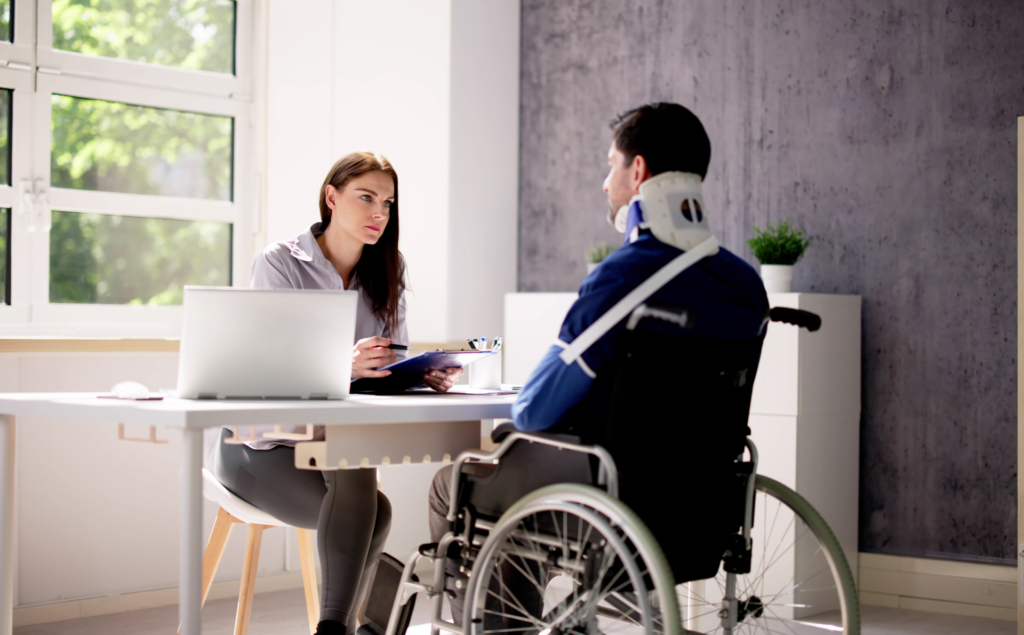
Understanding the Steps to Take After a Personal Injury: Protecting Your Rights

Accidents happen when we least expect them, often resulting in physical, emotional, and financial hardships. When someone else’s negligence causes your injury, it’s essential to know the steps you should take to protect your rights and build a strong case. Whether it’s a car accident, slip-and-fall, or workplace injury, acting quickly and strategically is critical to achieving fair compensation for your losses.

At Maana Law, we are committed to helping victims of personal injury navigate the legal process with confidence. Our team of experienced professionals is dedicated to securing the best possible outcomes for our clients.

Why Taking Immediate Action Matters

The moments following an accident can be chaotic, but your actions during this time can significantly impact your ability to file a successful claim. Timely documentation, proper reporting, and seeking professional advice are key to preserving evidence and ensuring your rights are protected.

Taking immediate action also ensures that you comply with Ontario’s legal requirements, including filing claims within the specified deadlines under the Limitations Act, 2002.

Seek Medical Attention

The first and most important step after any accident is to seek medical attention. Even if your injuries appear minor, a medical evaluation is crucial. Some injuries, such as internal bleeding or concussions, may not show symptoms right away. A healthcare professional can diagnose and treat these conditions early, potentially preventing long-term complications.

Medical records also serve as vital evidence in your personal injury claim. They document the severity of your injuries, link them to the incident, and provide a clear timeline of your treatment. Without this documentation, insurance companies may argue that your injuries are unrelated to the accident or less severe than you claim.

Report the Incident

Whether your injury occurred on the road, at work, or on someone else’s property, reporting the incident to the appropriate authorities is essential. For car accidents, this means notifying the police and ensuring an accident report is filed. In workplace injuries, you should report the incident to your employer or supervisor immediately.

For slip-and-fall or other premises liability cases, inform the property owner or manager as soon as possible. Prompt reporting creates an official record of the event, which can support your claim and prevent the at-fault party from disputing the facts later.

Document Evidence

Evidence is the foundation of any personal injury claim. Collecting and preserving evidence from the accident scene is critical to building a strong case.

Take photographs of the area where the incident occurred, including any hazardous conditions, such as wet floors, broken steps, or poor lighting. Document visible injuries and damage to personal property, such as a vehicle involved in a collision.

If there were witnesses, ask for their contact information and request statements about what they observed. Their testimony can provide valuable support for your claim. Additionally, keep detailed records of all expenses related to the injury, including medical bills, transportation costs, and lost wages.

Avoid Quick Settlements

Insurance companies often approach victims soon after an accident with settlement offers. While these may seem tempting, especially during a time of financial stress, they rarely reflect the true value of your claim. Quick settlements often fail to account for long-term expenses, such as ongoing medical care or lost earning capacity.

Consulting a personal injury lawyer before accepting any offer is essential to ensure you receive fair compensation.

Consult a Personal Injury Lawyer

Navigating the complexities of a personal injury claim can be overwhelming, especially when you’re recovering from an injury. Consulting an experienced lawyer can provide clarity and ensure your rights are protected.

A personal injury lawyer will evaluate your case, gather additional evidence, and handle negotiations with insurance companies on your behalf. They will also ensure you meet all legal deadlines and avoid common pitfalls, such as providing recorded statements that could be used against you.

At Maana Law, we specialize in guiding clients through every stage of the legal process. Our compassionate, client-focused approach ensures that you receive the support you need to focus on recovery while we handle the legal complexities.

Compensation and Damages

Compensation in personal injury cases is designed to cover both economic and non-economic losses. Economic damages include medical bills, rehabilitation costs, lost wages, and future earning capacity. Non-economic damages address the emotional and psychological toll of an injury, such as pain and suffering, anxiety, and loss of enjoyment of life.

For severe injuries, compensation may also include long-term care costs, home modifications, and vocational retraining. Determining the full extent of your damages requires a thorough evaluation by an experienced legal team.

Challenges in Personal Injury Claims

Personal injury claims are rarely straightforward. Proving negligence requires substantial evidence, and insurance companies often aim to minimize payouts. Victims may encounter low settlement offers or outright denials of their claims.

Additionally, the long-term effects of an injury may not be immediately apparent, complicating the calculation of damages. Working with an experienced lawyer ensures that all current and future losses are considered and that your case is presented effectively.


Why Choose Maana Law

At Maana Law, we understand the stress and uncertainty that follow a personal injury. Our team is dedicated to providing compassionate, client-focused representation tailored to your unique circumstances. We pride ourselves on transparent communication, keeping you informed and empowered throughout the process.

From gathering evidence to negotiating with insurance companies, we fight tirelessly to secure the compensation you deserve. Whether your case is resolved through negotiation or litigation, our goal is to achieve the best possible outcome for you.


Conclusion

Taking the right steps after a personal injury is essential to protecting your rights and building a strong case. From seeking medical attention and reporting the incident to consulting a lawyer, each step plays a critical role in the success of your claim.

At Maana Law, we are here to guide you through this challenging time with expertise and compassion. Contact us today for a consultation and let us help you secure the justice and compensation you deserve. With our dedicated team by your side, you can focus on healing while we handle the legal complexities.

Let Maana Law be your trusted partner in pursuing justice. Reach out now to take the first step toward reclaiming your life after a personal injury.

Steps to Take if Soft Tissue Injuries Lead to Long-Term Pain

Steps to Take if Soft Tissue Injuries Lead to Long-Term Pain

Soft tissue injuries may seem minor at first, but they can lead to long-term pain if not treated properly. This blog outlines the essential steps you should take to address soft tissue injuries that result in persistent discomfort and ongoing health challenges.

Monitor Symptoms and Seek Follow-Up Care

After a soft tissue injury, keeping track of your symptoms is essential. If you notice persistent pain, stiffness, or limited mobility, consult a healthcare provider for follow-up care. Ongoing symptoms may indicate improper healing or additional damage that requires intervention. By regularly assessing your condition, you can take preventive steps to address issues before they worsen.

Consider Physical Therapy for Long-Term Relief

Physical therapy is a critical step for many soft tissue injuries, especially those that haven’t healed properly. Physical therapists can guide you through exercises that restore strength, flexibility, and function. With consistent effort, physical therapy can reduce pain and improve mobility, helping prevent the development of chronic issues related to improper recovery.

Explore Pain Management Options

If pain persists beyond the initial healing phase, additional pain management options may be necessary. Medications, pain-relieving injections, or alternative therapies like acupuncture and massage can all help manage long-term pain. Pain management specialists can tailor a treatment plan specific to your condition, addressing both the physical and emotional impacts of chronic discomfort.

Assess Your Lifestyle and Make Adjustments

Persistent pain often requires lifestyle adjustments, including improved posture, ergonomic modifications, and activity adjustments to avoid reinjury. Small changes, like using supportive seating or avoiding repetitive motions, can prevent flare-ups and support ongoing healing. Making conscious choices to protect the injured area can reduce pain and promote sustained recovery.

Consider Legal Action if Negligence Played a Role

If the soft tissue injury was due to another party’s negligence—such as in a car accident or slip and fall—you may have grounds for a personal injury claim. Seeking compensation for medical expenses, lost wages, and ongoing pain management can ease the financial strain that long-term pain can create. Consulting a lawyer can clarify your options and help you pursue the appropriate action.

Conclusion

Soft tissue injuries can lead to long-term pain that affects many aspects of life. Taking proactive steps, including monitoring symptoms, seeking physical therapy, exploring pain management options, and making lifestyle adjustments, can help manage and alleviate discomfort. In cases of negligence, considering legal action can provide financial support, ensuring you have the resources needed for a comprehensive recovery journey.

Understanding Chronic Pain – Causes, Treatments, and Legal Options

Understanding Chronic Pain - Causes, Treatments, and Legal Options

Chronic pain often develops from injuries that don’t heal properly or due to underlying health conditions. This blog explores the complexities of chronic pain, its causes, treatment options, and the legal avenues available to those affected.

What is Chronic Pain, and How Does it Develop?

Chronic pain is defined as pain that persists for three months or longer. It can stem from a previous injury, such as a soft tissue injury that never fully healed, or from health issues like arthritis or nerve damage. Chronic pain can be widespread or concentrated in specific areas like the back, neck, or joints, severely affecting a person’s quality of life and ability to perform daily tasks.

Common Causes of Chronic Pain After an Injury

Injury-related chronic pain often arises from conditions like whiplash, repetitive strain, or untreated soft tissue damage. Accidents like falls or car crashes may initially cause mild pain, but if left untreated, the injury can progress into chronic pain. Other contributing factors include stress, poor posture during recovery, or insufficient rehabilitation, which can prevent proper healing and exacerbate discomfort over time.

Available Treatment Options for Chronic Pain

Treating chronic pain is often multifaceted, combining physical therapy, pain management, and lifestyle adjustments. Physical therapy focuses on strengthening muscles around the injury to alleviate stress and improve function, while pain management may include medication or alternative therapies like acupuncture and chiropractic care. In severe cases, nerve-block injections or surgical interventions may be explored, although these options are typically reserved for persistent or debilitating pain.

The Psychological Impact of Chronic Pain

Living with chronic pain can lead to significant emotional and psychological effects, including anxiety, depression, and feelings of isolation. Many individuals benefit from mental health support, such as counseling or support groups, which offer strategies for coping with pain. Addressing the psychological side of chronic pain is a crucial component of comprehensive pain management.

Legal Options for Those Suffering from Chronic Pain Due to Accidents

If chronic pain results from an accident or injury caused by someone else’s negligence, legal recourse may be available. Pursuing a personal injury claim can provide financial compensation for medical bills, ongoing therapy, and lost wages, helping alleviate the financial burden associated with chronic pain management. A legal professional can guide you through the claims process, ensuring that your rights are protected.

Conclusion

Chronic pain can be a challenging and enduring condition that requires a multifaceted approach to manage effectively. Understanding its causes, treatment options, and available legal avenues can empower individuals to pursue a path toward relief and financial stability, allowing them to focus on improving their quality of life and coping with the impacts of chronic pain.