
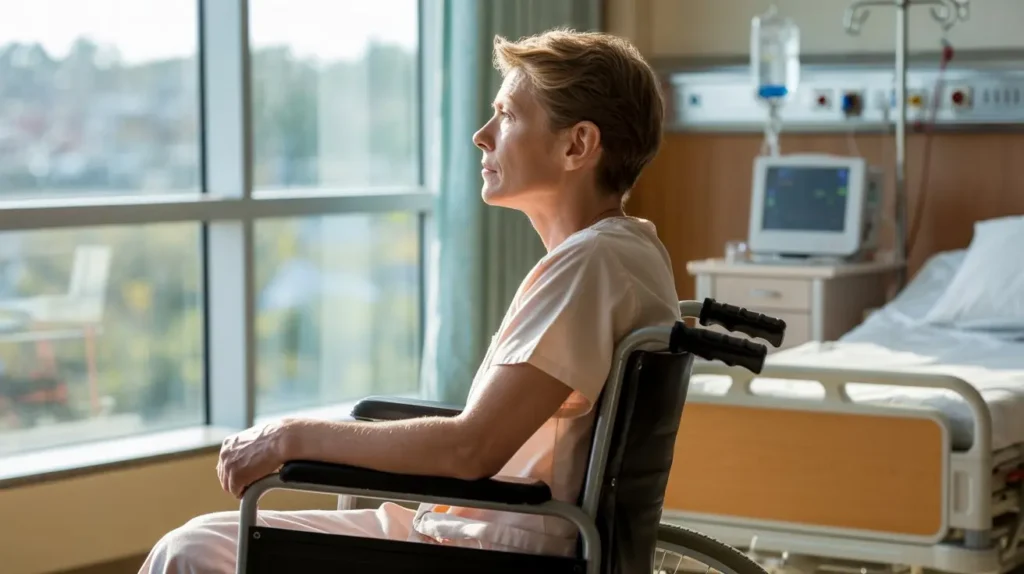
Have you or a loved one suffered a catastrophic injury that turned your world upside down? The pain, the endless medical visits, and the fear of what comes next can feel overwhelming. You might be wondering how you’ll recover, pay your bills, or get justice for what happened. At Maana Law, we understand how life can change in a moment and we’re here to help you through it.
For over 10 years, our compassionate personal injury lawyers in Mississauga have guided victims and families through the toughest times, fighting for the compensation they need to rebuild. With free consultations and a No Win, No Fee promise, you can focus on healing while we handle the legal burden.
By reading this blog, you will gain valuable insights into:
- The various types of catastrophic injuries and their impacts.
- Common causes of catastrophic injuries and how they happen.
- Your legal rights and the steps you need to take after an injury.
- Financial planning tips for dealing with long-term care, rehabilitation, and compensation.
Spinal cord injury, TBI, or amputation? Your benefits could reach up to $1 million under SABS.
Catastrophic designation changes everything about your claim. Let our Mississauga team assess your case for free.
What Is a Catastrophic Injury?
A catastrophic injury is one that causes permanent damage and severely impacts a person’s ability to perform everyday activities. Unlike typical injuries that may heal over time, catastrophic injuries often result in long-lasting or lifelong consequences, including paralysis, cognitive impairments, and emotional distress. The effects of these injuries extend far beyond the physical, as they often change the victim’s career, lifestyle, and overall sense of independence.
Spinal cord injuries, which often result in paraplegia or quadriplegia, require ongoing care and emotional support. Spinal cord injury lawyers in Mississauga can help you navigate the complexities of seeking compensation for long-term care and rehabilitation.
Key Characteristics of Catastrophic Injuries
Catastrophic injuries are marked by their intensity and long-term impact, including:
- Permanent disability: Injuries that result in long-term or permanent impairments.
- Life-altering changes: Significant alterations to lifestyle and daily activities.
- Extensive medical treatment: These injuries typically require ongoing care, therapy, and rehabilitation.
- Severe emotional and psychological impacts: Depression, anxiety, PTSD, and other mental health challenges can arise as a result of the injury and lifestyle changes.
Common catastrophic injuries include spinal cord injuries, traumatic brain injuries (TBIs), amputation, and severe burns, among others. These injuries are often complex, requiring specialized medical care and rehabilitation.
Both no-fault benefits and a tort claim can run at the same time — maximizing your recovery.
Accident benefits, attendant care, and a civil lawsuit — Maana Law pursues every path available to you.
Why Understanding Catastrophic Injuries Matters
Understanding the nature and severity of a catastrophic injury is critical for several reasons. First, early recognition of the injury’s extent allows for immediate and appropriate medical treatment, which can significantly improve the outcome of recovery. Catastrophic injuries often require long-term medical care, rehabilitation, and specialized therapy.
Additionally, knowing the full scope of the injury helps when preparing for legal action. The sooner you recognize the long-term implications of the injury, the sooner you can begin documenting your medical treatment, gathering evidence, and preparing for a potential personal injury claim. The right legal support can ensure that you receive fair compensation for both your immediate and future needs.
By understanding your injury, you can also begin planning for financial stability, including understanding medical expenses, lost wages, and the costs of necessary lifestyle adjustments, such as home or vehicle modifications. Being proactive in these areas can greatly ease the burden of living with a catastrophic injury.
Common Causes of Catastrophic Injuries
Car and Motorcycle Accidents
Car and motorcycle accidents are among the most common causes of catastrophic injuries. These accidents often involve high-speed collisions that result in severe spinal cord injuries, traumatic brain injuries (TBIs), amputations, and other serious injuries. The force of a collision, whether it’s a car crashing into a tree or a motorcycle colliding with another vehicle, can result in life-changing trauma.
For instance, motorcycle riders are particularly vulnerable due to the lack of protective barriers like the body of a car. As a result, even a minor accident can lead to severe brain injuries or paralysis. Liability in these accidents often involves multiple parties, including the drivers, vehicle manufacturers, and even local governments if road conditions played a role.
Slip and Fall Accidents
Slip and fall accidents, especially on public property or in workplaces, can lead to catastrophic injuries. Premises liability laws place the responsibility for maintaining safe environments on property owners. When owners neglect to remove hazards, like wet floors or uneven pavement, they can be held liable for injuries that occur on their property.
Injuries from slip and falls often include multiple fractures, head trauma, or spinal cord injuries. The severity of these injuries depends on the circumstances of the fall, such as the height of the fall and the nature of the surface impacted.
Workplace and Industrial Accidents
Workplace accidents, especially in high-risk environments like construction or manufacturing, are another common cause of catastrophic injuries. These accidents can occur due to faulty machinery, lack of proper safety protocols, or employer negligence. These injuries may result in amputation, spinal cord injuries, and internal organ damage.
Ontario’s Occupational Health and Safety Act (OHSA) requires employers to maintain a safe work environment. Failure to comply with these regulations can result in liability for employers, who must cover workers’ compensation and potentially face additional legal claims from injured employees.
Sports and Recreational Accidents
Sports accidents, especially in contact sports like football or hockey, can lead to catastrophic injuries, including concussions, fractures, and spinal cord injuries. These injuries often require long-term care and rehabilitation, including physical therapy and cognitive therapy for traumatic brain injuries. Even recreational activities, like cycling, skiing, or rock climbing, can result in serious injuries if safety precautions are not followed.
Proper use of safety equipment, such as helmets and padding, can help reduce the risk of catastrophic injuries. However, when they do occur, it’s important to understand your legal rights and potential for compensation, especially if the accident resulted from negligence.
Medical Malpractice or Defective Products
Medical malpractice and defective products can cause catastrophic injuries. Surgical errors, improper treatment, or defective medical equipment can leave victims with permanent disabilities that require ongoing care. In these cases, victims have the right to pursue legal action against the responsible parties, which may include hospitals, doctors, or medical device manufacturers.
Types of Catastrophic Injuries and Their Impacts
Spinal Cord Injuries (Paraplegia and Quadriplegia)
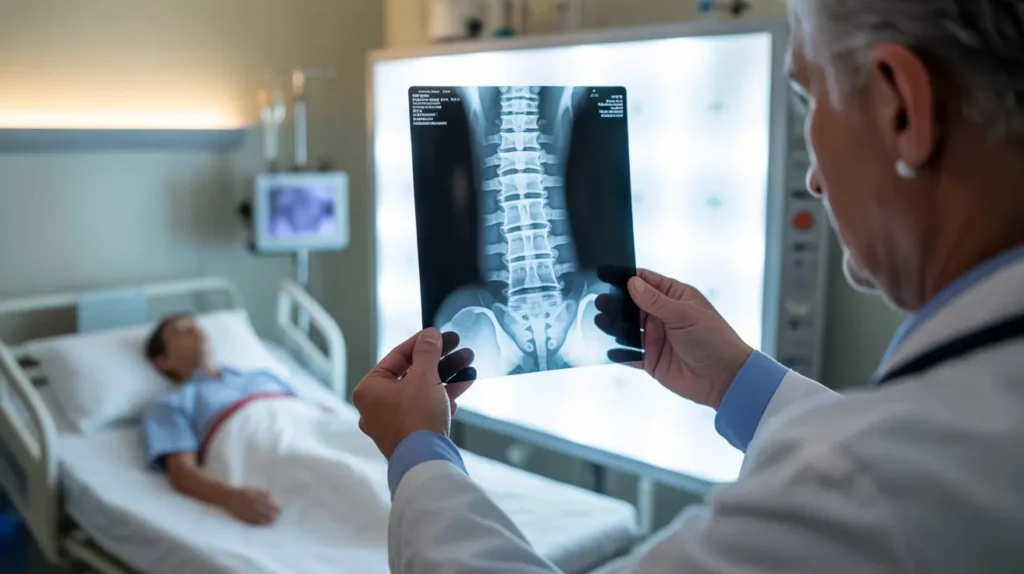
Spinal cord injuries often result in paraplegia (paralysis of the lower body) or quadriplegia (paralysis of all four limbs). These injuries are typically caused by trauma to the spinal column, either through motor vehicle accidents or falls from heights. The loss of mobility and independence that comes with these injuries requires ongoing medical care, assistive devices such as wheelchairs, and substantial emotional and psychological support.
Traumatic Brain Injuries (TBI)
Traumatic brain injuries, including concussions and more severe forms like contusions and brain hemorrhages, can have long-lasting effects on cognitive abilities, emotional regulation, and daily functioning. Victims may experience cognitive impairment, chronic pain, and emotional challenges like depression and anxiety.
Rehabilitation for TBIs often involves physical therapy, speech therapy, and psychological counseling. Victims may also need home modifications and vehicle adaptations to accommodate their new physical limitations.
Amputation and Limb Loss
The loss of a limb due to an accident is another common catastrophic injury. Victims often need prosthetics, extensive physical therapy, and lifestyle adjustments to adapt to the changes. Financial implications include the cost of prosthetics, ongoing rehabilitation, and potential job loss.
Severe Burns and Disfigurement
Severe burns, often from accidents like vehicle fires or workplace hazards, can result in scarring and long-term physical pain. Reconstructive surgeries may be necessary, and victims often require psychological counseling to cope with the emotional impact of their injuries. Severe burns can also lead to permanent disabilities and require long-term care.
Loss of Vision or Hearing
Loss of vision or hearing due to an accident can drastically change a person’s life. The inability to see or hear affects everything from communication to personal safety. Victims may require assistive devices, like hearing aids or guide dogs, and may face challenges in adapting to new circumstances. These injuries often result in both physical and emotional distress, requiring ongoing therapy and support.
Emotional and Psychological Challenges
Beyond the physical pain of a catastrophic injury, victims often face significant emotional and psychological challenges. Depression, anxiety, post-traumatic stress disorder (PTSD), and emotional distress are common among those who have experienced severe injuries. The injury itself, combined with the adjustment to a new life and the impact on personal relationships, can lead to long-term emotional struggles.
Families are often impacted as well. Caregivers may experience stress and burnout, and families may struggle to adjust to new dynamics in terms of responsibilities and financial burdens. Seeking psychological counseling, joining support groups, and relying on family support are essential for emotional recovery and coping with the aftermath of a catastrophic injury.
Immediate Medical Response and Rehabilitation
The first response to a catastrophic injury is critical. Immediate medical care should be sought to stabilize the victim and prevent further damage. Rehabilitation should begin as soon as possible, including physical therapy and occupational therapy to regain some level of function and independence. The goal of rehabilitation is to help the victim adjust to their new limitations, regain mobility where possible, and learn new ways to perform daily tasks.
Proper documentation of treatments and medical care is essential for future legal claims. Accurate medical records will support the victim’s personal injury claim, helping to ensure that they are fairly compensated for medical expenses, lost wages, and long-term care costs.
Legal Considerations for Catastrophic Injuries
Role of a Catastrophic Injury Lawyer in Mississauga
When dealing with a catastrophic injury, having the right legal representation is crucial. A catastrophic injury lawyer in Mississauga can help guide you through the complexities of personal injury claims, from negotiating with insurance companies to ensuring that you receive full compensation for medical costs, lost wages, and pain and suffering.
At Maana Law, we focus on providing compassionate, results-driven legal support. Our team will fight for your rights, ensuring that the responsible parties are held accountable and that you receive the compensation you deserve.
Why Choose Us
At Maana Law, we stand out by offering unmatched expertise, personalized attention, and a results-driven approach. Our focus is on providing tailored legal solutions that meet your unique needs and deliver justice effectively. We understand the physical, emotional, and financial toll catastrophic injuries take, and we’re here to guide you every step of the way, ensuring you receive the support and compensation you deserve.
We are dedicated to making the legal process as smooth and accessible as possible for you and your family. Our commitment to compassionate advocacy and transparent services ensures that you can focus on recovery while we fight for the justice you deserve.
- Decades of Legal Expertise: With over 10 years of experience, we bring in-depth knowledge and a proven track record of success in a variety of personal injury cases.
- Client-Centered Approach: We prioritize your needs, offering personalized guidance and crafting strategies that align with your goals and challenges.
- Transparent & Affordable Services: Our contingency-based model ensures that you only pay if we win, making expert legal representation accessible to all.
- Compassionate Advocacy: We understand the emotional toll of legal battles, providing support with empathy and a dedication to achieving justice for you.
At Maana Law, you’re not just another case you’re a valued client. We’re committed to your recovery, both physically and financially, and stand beside you through every stage of the legal process.
Frequently Asked Questions
What qualifies as a catastrophic injury in Ontario?
A catastrophic injury in Ontario is defined as an injury that results in permanent and severe impairment, significantly affecting the person’s ability to function independently. Common examples include spinal cord injuries, traumatic brain injuries, amputations, and severe burns.
How long do I have to file a claim in Mississauga?
In Ontario, the statute of limitations for personal injury claims is generally two years from the date of the accident. It’s important to file your claim within this period to avoid losing your right to compensation.
How is compensation calculated for lifelong care?
Compensation for lifelong care includes the costs of future medical treatment, rehabilitation, assistive devices, home modifications, and attendant care. A catastrophic injury lawyer can help calculate these costs based on expert assessments and medical forecasts.
Can I claim if I’m partially at fault?
Yes, even if you are partially at fault, you may still be eligible for compensation in Ontario under the principle of comparative negligence. Your compensation will be reduced based on your percentage of fault.
How are future medical and rehabilitation costs assessed?
Future medical and rehabilitation costs are assessed by medical experts who will estimate the costs of long-term treatment, therapies, and any necessary adaptive devices or modifications to your home or vehicle.
What evidence is essential for a successful claim?
Key evidence includes accident reports, medical records, witness statements, expert testimony, and any documentation that supports the extent of your injuries and their impact on your life.
How can a lawyer assist with insurance disputes?
A lawyer can assist by negotiating with insurance companies on your behalf, ensuring that your claims are not unfairly minimized and that you receive the compensation you’re entitled to under the law.
Are home or hospital consultations available?
Yes, Maana Law offers free consultations and can arrange home or hospital visits for clients who are unable to travel to our office.
10+ years fighting for catastrophic injury victims in Mississauga. No win, no fee — guaranteed.
Call 437-979-4878 or email info@maanalaw.com for a free consultation.
Conclusion – Reclaim Your Life and Secure Justice
The journey to recovery after a catastrophic injury can feel long and uncertain, but you don’t have to navigate it alone. Maana Law is here to support you through every step of your recovery and legal process, providing expert guidance, compassionate advocacy, and a clear path to the compensation you deserve.
Contact us today to schedule a free consultation and begin your journey toward justice and financial recovery.