
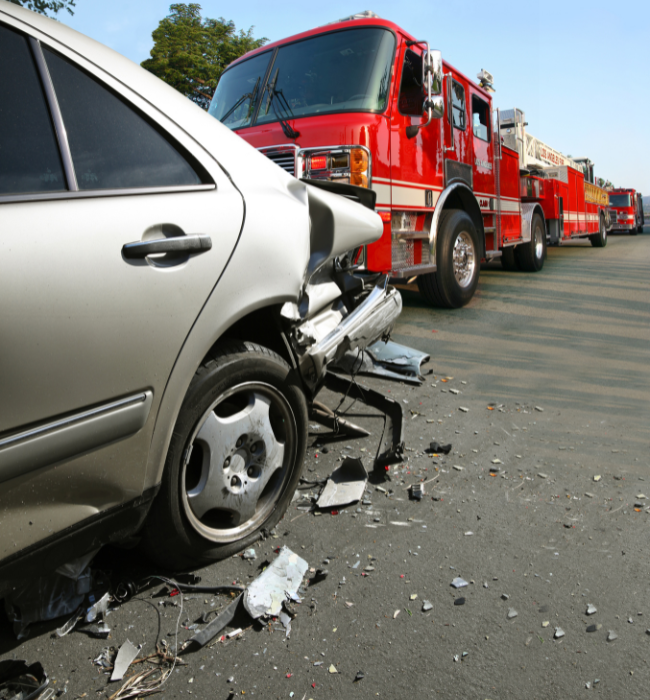
Car Accidents

How can we help

Your Trusted Legal Partner
After a Car Accident

We have years of experience helping individuals involved in car accidents navigate the legal process and recover the compensation they deserve. With our team, you can rest easy knowing that your case is in capable hands.

Maximum Compensation

We work tirelessly to make sure you get the compensation you deserve, including medical bills, lost wages, and damages for pain and suffering.

Personalized Support

We provide personalized attention and support, guiding you through the legal process and making sure all your questions are answered.

How can we help

Why Choose Maanalaw to Fight for You
After a Car Accident?

Decades of Legal Victories

With years of experience handling car accident cases, our team has a proven track record of securing favorable settlements and verdicts for our clients.

Client-Centered Legal Service

We treat every case with the care and attention it deserves, ensuring personalized support throughout your legal journey.

Pay Only If We Win

Our services are offered on a contingency fee basis, meaning you won’t pay unless we secure compensation for you.

Dedicated to Maximum Results

We aggressively pursue your best interests, aiming for the highest possible settlement or award to compensate for your injuries and damages.

In-Depth Case Analysis

We conduct detailed investigations, gathering crucial evidence like police reports, witness statements, and expert evaluations to strengthen your case.

Always Keeping You Informed

We prioritize clear and timely communication, keeping you updated every step of the way to ensure you are informed and comfortable with the process.

Common Causes of Car Incidents

Medical Attention

Seek immediate care to document any injuries.

Report to Police

File a police report to document the accident.

Gather Evidence

Take photos and get witness information on-site.

Notify Insurance

Contact your insurance promptly to report the accident.

Steps to Take After a Car Incident

Immediately after the accident, your priority should be safety. If possible, move yourself and any passengers to a safe area away from oncoming traffic. Check if anyone involved in the accident is injured. Even if injuries appear minor, call for medical assistance to assess any potential internal or delayed injuries. If anyone is seriously hurt, call 911 and wait for emergency responders. Stay calm and avoid moving injured individuals unless they’re in immediate danger.

Ensure Safety and Check for Injuries

Call the Police and File a Report

Even in minor accidents, it’s essential to contact the police. A police report is a critical document that details the events surrounding the accident, including who may be at fault. This report can be invaluable for insurance claims and any future legal actions. Be cooperative with the responding officers and provide them with accurate details about the accident, but avoid admitting fault or making assumptions about what caused the incident. The police will handle the documentation, which you can later request for your records.
While waiting for the police or immediately after ensuring everyone’s safety, begin documenting the scene. Take photos of all vehicles involved, capturing the extent of the damage, license plates, and the surrounding road conditions. Photograph skid marks, road signs, and any visible injuries. Additionally, gather information from the other drivers, including names, contact information, driver’s license numbers, vehicle registration, and insurance details. If there are any witnesses, politely ask for their names and contact information in case their testimony is needed.

Document the Scene and Gather Information

Notify Your Insurance Provider

As soon as possible, notify your insurance company about the accident. Provide them with all the necessary details, including the police report and any documentation you collected at the scene. Timely reporting helps expedite the claims process and ensures that your insurer has all the information needed to process your claim efficiently. Be clear and truthful when recounting the accident, but avoid discussing fault until after an official investigation. Your insurance company may provide guidance on repair shops or other services you may need following the accident.

Steps to Take After a Car Incident

Ensure Safety and Check for Injuries
Immediately after the accident, your priority should be safety. If possible, move yourself and any passengers to a safe area away from oncoming traffic. Check if anyone involved in the accident is injured. Even if injuries appear minor, call for medical assistance to assess any potential internal or delayed injuries. If anyone is seriously hurt, call 911 and wait for emergency responders. Stay calm and avoid moving injured individuals unless they’re in immediate danger.

Call the Police and File a Report
Even in minor accidents, it’s essential to contact the police. A police report is a critical document that details the events surrounding the accident, including who may be at fault. This report can be invaluable for insurance claims and any future legal actions. Be cooperative with the responding officers and provide them with accurate details about the accident, but avoid admitting fault or making assumptions about what caused the incident. The police will handle the documentation, which you can later request for your records.

Document the Scene and Gather Information
While waiting for the police or immediately after ensuring everyone’s safety, begin documenting the scene. Take photos of all vehicles involved, capturing the extent of the damage, license plates, and the surrounding road conditions. Photograph skid marks, road signs, and any visible injuries. Additionally, gather information from the other drivers, including names, contact information, driver’s license numbers, vehicle registration, and insurance details. If there are any witnesses, politely ask for their names and contact information in case their testimony is needed.

Notify Your Insurance Provider
As soon as possible, notify your insurance company about the accident. Provide them with all the necessary details, including the police report and any documentation you collected at the scene. Timely reporting helps expedite the claims process and ensures that your insurer has all the information needed to process your claim efficiently. Be clear and truthful when recounting the accident, but avoid discussing fault until after an official investigation. Your insurance company may provide guidance on repair shops or other services you may need following the accident.

Filing a Car Accident Claim in Ontario

Dealing with insurance claims requires careful consideration. Familiarize yourself with your insurance policy to understand the coverage you have. When reporting the accident to your insurer, provide clear and factual information while avoiding speculative statements that could jeopardize your claim. Engaging a lawyer from Maana Law can ensure that a skilled professional advocates for your best interests during negotiations with your insurer, helping you navigate the claims process effectively.

Proving Liability in Cra Incidents

Liability for motor vehicle accidents primarily revolves around the concept of negligence. Determining fault involves examining several key elements:

Driver Behavior: Distracted, impaired, or reckless driving plays a significant role in many accidents. Ontario enforces strict laws against distracted driving, underscoring its dangers to road safety.

Road and Weather Conditions: Poor weather or hazardous road conditions can influence liability. Documenting these factors can be essential in understanding the circumstances that led to the accident.

Vehicle Malfunctions: If a mechanical defect contributed to the accident, liability may extend to the manufacturer or any service provider who worked on the vehicle.

Compensation for Car Accident Victims

At Maana Law, we are dedicated to assisting victims in comprehending their rights and navigating the complex legal landscape that follows an accident. This guide provides crucial steps to take immediately after an incident, outlines the legal framework in Ontario, and highlights how our expertise can facilitate your recovery and compensation process.

Why Choose Us?

Proven Expertise

With years of experience handling Ontario car accident claims, we know how to navigate complex legal processes effectively.

Maximizing Recovery

Our priority is to secure maximum compensation for your injuries, lost wages, and other damages caused by the accident.

Personalized Support

We provide individualized legal strategies, focusing on your specific needs and circumstances to achieve the best outcome.

No Upfront Fees

We operate on a contingency basis, meaning you only pay if we successfully recover compensation for you.

Why Choose Us?

Proven Expertise

With years of experience handling Ontario car accident claims, we know how to navigate complex legal processes effectively.

Personalized Support

We provide individualized legal strategies, focusing on your specific needs and circumstances to achieve the best possible outcome.

Maximizing Compensation

Our priority is to secure maximum compensation for your injuries, lost wages, and other damages caused by the accident.

No Upfront Fees

We operate on a contingency basis, meaning you only pay if we successfully recover compensation for you.

Frequently Asked Questions

In Ontario, the general statute of limitations for filing a personal injury claim is two years from the date of the accident. However, certain exceptions may apply. It’s important to consult with a lawyer as soon as possible to understand your specific situation.

You may be entitled to compensation for medical expenses, lost wages, pain and suffering, rehabilitation costs, and property damage. Our team at Maana Law will assess your case to determine the full scope of damages you can claim.

At Maana Law, we operate on a contingency fee basis, meaning you only pay legal fees if we win your case. This ensures that there are no upfront costs for pursuing your claim.

The timeline varies depending on the complexity of the case and the severity of the injuries. Some cases may settle in a few months, while others, particularly those involving serious injuries, may take longer.

While you are not legally required to hire a lawyer, having an experienced personal injury attorney on your side can significantly improve your chances of obtaining maximum compensation. At Maana Law, we handle every aspect of your case, from gathering evidence to negotiating with insurance companies.

Contact Maana Law for a Free Consultation